How can amateur esports teams improve scrim efficiency and communication?

For amateur esports teams, the path to competitive success isn’t just about raw mechanical skill; it’s heavily reliant on how effectively they practice and communicate. Scrims (scrimmages) are the lifeblood of team improvement, offering invaluable experience against other teams. However, without a structured approach, these practice sessions can devolve into unproductive flailing. Enhancing scrim efficiency and fostering crystal-clear communication are paramount for any aspiring team looking to climb the ranks.
Setting the Stage: Pre-Scrim Preparation
Before even entering a game, a significant portion of a successful scrim lies in preparation. Teams should establish clear objectives for each session. Are you working on a new map strategy? Practicing specific agent compositions? Focusing on early-game rotations or late-game objective control? Without defined goals, teams often get lost in the heat of the moment, unable to track progress effectively. A brief pre-scrim meeting to outline these goals ensures everyone is on the same page.
Additionally, gathering basic information about potential opponents (if they are known entities) can provide a competitive edge. Understanding their common strategies or player tendencies allows for targeted practice. Finally, ensure all necessary tools are ready: reliable voice communication, VOD recording software, and any external analytical overlays should be set up and tested to avoid disruptions during the scrim itself.
Mastering the Moment: During Scrim Execution
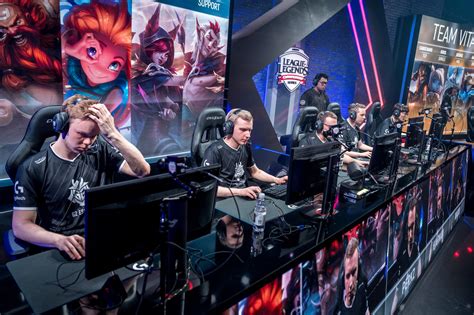
Once the game begins, effective communication becomes critical. Develop and adhere to clear shot-calling hierarchies and communication protocols. Who makes the calls for pushes? Who tracks enemy cooldowns? What specific terminology will be used for in-game locations or events? Reducing ambiguity in comms is vital, especially during high-pressure situations. Avoid general statements and focus on concise, actionable information.
It’s equally important for teams to remember their pre-scrim objectives during play. Even if a game isn’t going well, focus on executing the planned strategy rather than defaulting to comfort picks or uncoordinated plays. This discipline is what turns a simple practice game into a valuable learning experience. Discourage negative emotional responses (tilt) during play; instead, encourage quick, constructive feedback between rounds or during natural breaks.
Unpacking the Play: Post-Scrim Analysis and Feedback
The learning doesn’t stop when the scrim ends; in fact, the most valuable lessons often come afterward. An immediate, short debrief after each game or set is crucial. This allows players to share initial thoughts and feelings while the experience is fresh. What felt good? What felt bad? What was confusing?
The cornerstone of post-scrim improvement is VOD review. Recording all scrims allows teams to systematically analyze their gameplay. This involves reviewing individual player perspectives, team coordination, decision-making, and communication. During VOD review, adopt a structured feedback framework. Focus on specific instances, use objective observations, and frame feedback constructively. Instead of “You always die there,” try “At 12:35, your positioning led to an unfavorable trade; what was the thought process, and how could we have supported that or repositioned?” Ensure everyone contributes to the analysis, fostering a shared understanding of strengths and weaknesses.

Building Bridges: Fostering a Healthy Communication Culture
Beyond the tactical aspects, a healthy communication culture is the bedrock of any successful esports team. This involves building trust and psychological safety among teammates. Players must feel comfortable giving and receiving honest feedback without fear of reprisal or personal attacks. Encourage active listening, where players truly hear and process what others are saying, rather than just waiting for their turn to speak.
Addressing miscommunications and mistakes should always be solution-oriented, not blame-oriented. Focus on “how can we fix this?” rather than “who messed up?” Regular team-building activities, even outside of the game, can strengthen bonds and improve inter-personal communication, translating directly into better in-game synergy. A team that trusts and respects each other will naturally communicate more effectively and openly.

Conclusion: The Continuous Loop of Improvement
Improving scrim efficiency and communication for amateur esports teams is not a one-time fix but an ongoing process. It requires dedication, discipline, and a commitment to continuous learning from every team member. By implementing structured pre-scrim preparation, disciplined in-game execution, thorough post-scrim analysis, and fostering a supportive communication culture, amateur teams can transform their practice sessions from mere games into powerful engines of improvement. Embrace this cycle of planning, playing, and perfecting, and watch your team’s competitive edge sharpen significantly.