How can amateur Esports teams improve synergy and strategy for consistent wins?

The Foundation of Success: Cultivating Team Synergy
For amateur esports teams striving for consistent victories, raw individual skill, while important, often isn’t enough. The true differentiator lies in the seamless integration of individual talents into a cohesive unit. This starts with cultivating strong team synergy, a blend of effective communication, mutual understanding, and unwavering trust.
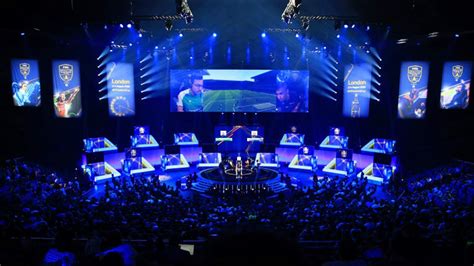
Effective communication is the lifeblood of any successful esports team. This goes beyond simple callouts; it encompasses clear, concise, and timely information exchange during intense moments. Players must develop a shared lexicon, understand when to speak, and, crucially, when to listen. Active listening allows teammates to process information quickly and react appropriately, preventing miscommunications that can cost critical engagements or objectives.
Beyond live communication, defining and understanding individual roles is paramount. Every player needs to know their primary responsibilities, their secondary duties, and how their role complements their teammates’. This clarity minimizes overlapping efforts and ensures all necessary bases are covered. When each player executes their role effectively, it creates a robust framework upon which winning strategies can be built.
Building Trust and Cohesion
Synergy isn’t just about in-game interactions; it’s also about the bonds formed outside of the game. Engaging in non-gaming activities, even virtual ones, can significantly improve team cohesion and trust. When players feel comfortable with and respect each other personally, it translates into a more positive and resilient in-game environment. This trust allows for more honest feedback, quicker recovery from mistakes, and a shared commitment to the team’s goals.

A healthy team culture embraces constructive feedback. Instead of criticism being perceived as an attack, it should be viewed as an opportunity for collective growth. Establishing a ‘no blame’ culture where mistakes are analyzed for learning rather than finger-pointing fosters an environment where players feel safe to experiment and improve.
Mastering the Game: Developing Robust Strategies
With synergy established, the next step is to translate that cohesion into intelligent strategic play. Amateur teams often fall into the trap of simply reacting to opponents or relying solely on individual outplays. Consistent wins require a proactive, well-thought-out approach to every match.

The Power of VOD Review
Perhaps the most impactful strategic tool available to amateur teams is dedicated Video-on-Demand (VOD) review. This involves meticulously rewatching game footage, both wins and losses. During VOD reviews, teams should focus on:
- Identifying recurring mistakes, both individual and collective.
- Analyzing opponent strategies and how to counter them.
- Evaluating decision-making at key moments (e.g., objective contests, engagements).
- Spotting missed opportunities for aggression or defense.
VOD review isn’t just about finding errors; it’s about understanding the ‘why’ behind actions and developing repeatable solutions. It should be a collaborative effort, with every team member contributing their perspective.
Adapting to the Meta and Structured Practice
The esports landscape is constantly evolving. Staying abreast of the current game meta – understanding dominant heroes/champions, item builds, and strategic trends – is crucial. Teams should actively research and experiment with meta shifts to avoid becoming stagnant. Integrating meta knowledge into practice sessions ensures strategies remain relevant and effective.
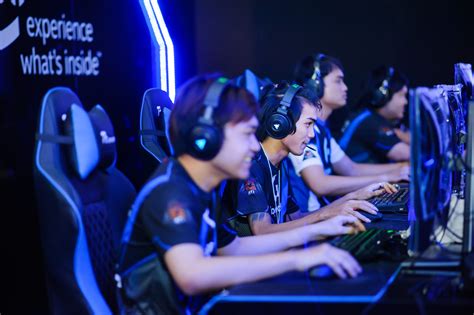
Beyond simply playing games, practice needs structure. A well-planned practice schedule might include specific drills for mechanics, focused scrimmages with clear objectives (e.g., “focus on early game rotations,” “practice late-game objective control”), and designated time for theory crafting. Randomly queuing up is rarely as productive as a targeted practice session.
Bridging Synergy and Strategy for Consistent Wins
The ultimate goal is to seamlessly integrate strong synergy with intelligent strategy. This requires effective leadership, clear goal setting, and the mental fortitude to adapt under pressure.
Leadership and Goal Setting
Even in amateur teams, having clear leadership roles can streamline decision-making. A shot-caller or captain can guide in-game movements and strategy, while others provide critical information. This doesn’t mean a single person dictates everything, but rather ensures a decisive voice when needed.
Setting both short-term and long-term goals keeps the team focused and motivated. Short-term goals might include improving a specific map rotation or hero pool. Long-term goals could be winning a local tournament or reaching a higher rank. Regularly reviewing progress towards these goals is vital.
Mental Fortitude and Adaptability
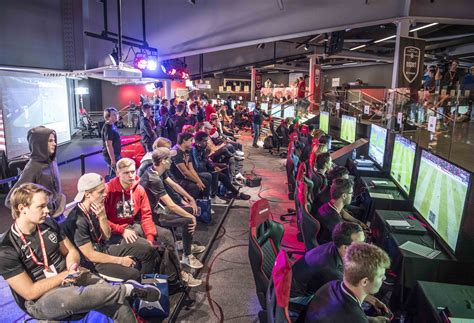
Competitive esports is mentally demanding. Teams need to develop resilience to cope with tilt, pressure, and unexpected setbacks. This involves encouraging positive reinforcement, learning to reset mentally after a lost round or game, and maintaining composure. The ability to adapt strategies on the fly – to recognize when an initial plan isn’t working and pivot – is a hallmark of truly strong teams.
Finally, robust post-match debriefs are essential. Immediately after a game, discuss what went well, what went wrong, and how emotions played a role. This provides immediate feedback and helps reinforce lessons learned during VOD review, fostering a cycle of continuous improvement.
Conclusion
Consistent wins for amateur esports teams are not born from luck or individual heroics alone. They are the product of deliberate effort invested in building profound team synergy through effective communication, trust, and clear roles, coupled with the rigorous development of robust strategies via VOD review, meta adaptation, and structured practice. By committing to these principles and fostering a culture of continuous learning and improvement, any amateur team can elevate its play and achieve its competitive aspirations.