How can amateur Esports teams improve synergy & attract scouts?

In the fast-paced world of competitive esports, aspiring amateur teams often face a dual challenge: perfecting their in-game coordination and catching the attention of professional organizations. While raw talent is crucial, it’s the cohesive unit and a team’s professional conduct that truly stand out. This guide delves into actionable strategies for amateur esports teams to not only develop an unbreakable bond but also to position themselves as undeniable prospects for talent scouts.
Building Unbeatable Team Synergy
Achieving true synergy goes beyond simply playing together; it’s about a collective mind operating as one. For amateur teams, establishing these foundations early is paramount.
Mastering Communication
Effective communication is the bedrock of any successful esports team. This isn’t just about calling out enemy positions during a match. It encompasses:
- In-Game Comms: Concise, clear, and actionable callouts. Practice active listening and develop a shared vocabulary for critical in-game events. Avoid clutter and unnecessary chatter.
- Out-of-Game Discussions: Regular debriefs and strategy sessions are essential. Discuss wins, analyze losses, and collaboratively identify areas for improvement. Encourage constructive criticism and a safe space for all members to voice ideas.

Clear Role Definition and Understanding
Every player must fully understand their primary and secondary roles within the team, not just their chosen champion or agent. This includes understanding responsibilities in different phases of a match, objective control, and macro decision-making. A player who understands their role’s impact on the team’s overall strategy is far more valuable. Regularly review and refine roles as the meta evolves or team compositions change.
Structured Practice and VOD Review
Randomly queuing games is not practice; it’s playing. True practice involves setting specific goals for each session, whether it’s perfecting a new strategy, improving early-game rotations, or countering a specific opponent’s playstyle.
VOD (Video On Demand) review is non-negotiable. Dedicate time to watch your own gameplay, both individually and as a team. Identify mistakes, analyze decision-making processes, and learn from both successes and failures. This objective analysis is critical for accelerated improvement.
Fostering Team Culture and Trust
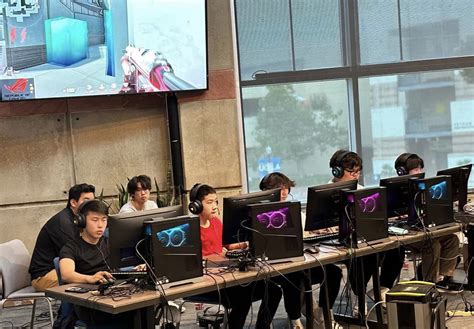
Beyond the game, building strong personal relationships and mutual trust is vital. A positive team environment, free from ego clashes and negativity, allows players to perform at their best. Organize team-building activities, spend time together outside of practice, and celebrate successes collectively. Trust allows players to rely on their teammates, make aggressive plays, and recover from setbacks without internal friction.
Attracting the Eye of Scouts and Organizations
Once your team’s synergy is refined, the next step is to make sure your efforts don’t go unnoticed. Scouts are looking for more than just raw mechanical skill; they seek complete packages.
Consistent Performance and Statistics
Results speak louder than words. Consistently performing well in scrims, ranked ladders, and tournaments is crucial. Maintain detailed statistics, not just personal KDA but also objective control, utility usage, and team-specific metrics. Scouts are looking for players who can perform under pressure and contribute reliably to a team’s success.

Professional Online Presence
Your online footprint is your resume. Ensure all social media profiles (Twitter, Twitch, YouTube, etc.) are professional, active, and reflect positively on you and your team. Share highlights, VOD analysis, and team updates. Avoid controversial content or engaging in toxic behavior, as scouts will thoroughly vet your past online interactions. A strong, positive brand image can be a significant differentiator.
Actively Participate in Tournaments and Leagues
The best way to get noticed is to compete where scouts are looking. Participate in grassroots tournaments, local LANs, online leagues, and any competitive circuits relevant to your game. Winning, or even performing well against established teams, provides tangible evidence of your team’s capabilities. Document your tournament runs and showcase your victories.

Exhibit Professionalism and Good Attitude
Scouts aren’t just looking for skilled players; they’re looking for individuals who can integrate into a professional organization. This includes punctuality, good sportsmanship, coachability, and a positive attitude even in defeat. Toxicity, blame games, or a lack of respect for opponents or staff are immediate red flags. Demonstrate maturity and a growth mindset.
Networking Within the Esports Community
Attend industry events, engage with other players, coaches, and organizers online. Building a network can open doors to scrim partners, invite-only tournaments, and even direct introductions to scouts. Be genuine, respectful, and always look for opportunities to learn and connect.
Conclusion
Success in amateur esports is a marathon, not a sprint. By diligently focusing on developing robust team synergy through disciplined communication, structured practice, and fostering a healthy team culture, amateur teams lay an unshakeable foundation. Concurrently, by strategically showcasing consistent performance, maintaining a professional online presence, actively competing, and exhibiting exemplary conduct, teams can significantly amplify their chances of catching the discerning eye of professional esports scouts. It requires dedication, but the rewards for a truly cohesive and scout-ready team are immense.