How can amateur teams optimize scrims for effective competitive strategy learning?
The Foundation of Competitive Growth: Strategic Scrims
For aspiring esports teams, scrims (scrimmages) are the lifeblood of improvement. They offer a controlled environment to test strategies, improve team synergy, and adapt to competitive pressure. However, many amateur teams fall into the trap of treating scrims as casual games, missing out on their immense potential for structured learning. Optimizing scrims isn’t just about playing more; it’s about playing smarter, with a deliberate focus on strategy acquisition and refinement.
Unlike professional teams with dedicated analysts and coaches, amateur rosters often have to manage their own development. This guide will outline actionable steps amateur teams can take to transform their scrims from mere practice sessions into powerful engines for competitive strategy learning.

I. Setting Clear Objectives Before Scrims
The most significant mistake amateur teams make is entering scrims without a predefined goal. Before queuing up, discuss and agree upon specific learning objectives. Are you trying to perfect a new team composition, practice a specific map control strategy, work on early-game rotations, or improve late-game objective contests?
Define Specific Goals
Each scrim session should have 1-3 primary objectives. For example: “Focus on warding patterns around Roshan/Baron,” “Practice a fast push strategy on map X,” or “Improve communication during team fights after an engage.” Clearly articulating these goals allows players to direct their attention and efforts, providing a measurable benchmark for success beyond just winning or losing the game.
Pre-Scrim Briefing
A quick 5-10 minute meeting before the first game to reiterate these objectives, discuss recent VOD reviews, and go over any new strategies ensures everyone is on the same page. This brief alignment sets a professional tone and maximizes the learning potential of the upcoming session.
II. Structured Communication and Shot-Calling
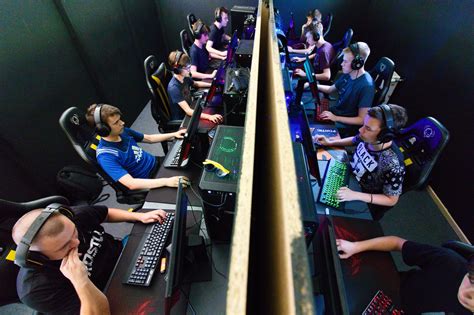
Effective communication is the cornerstone of any successful esports team. Scrims are the ideal environment to refine comms under pressure. Amateur teams often suffer from either too much noise or too little essential information during critical moments.
Designated Roles for Calls
Assign specific shot-calling roles for different phases of the game. For instance, one player might be responsible for early-game rotations, another for mid-game objective control, and a third for late-game team fight initiation. This reduces overlap and ensures crucial calls are made clearly and concisely.
Practice Call Discipline
Actively practice filtering out unnecessary chatter and focusing on vital information (enemy cooldowns, positions, ultimate timers, target priorities). Use concise language and avoid emotional outbursts. After each game, debrief on communication effectiveness – what worked, what didn’t, and how it can be improved.
III. Post-Scrim Analysis: The Goldmine of Learning
The real learning happens not during the scrims, but immediately after. A quick, focused debrief is far more valuable than simply queuing for the next game.
Immediate Game Review
After each game, take 2-5 minutes to discuss key moments. What went well? What went wrong? Did you achieve your pre-defined objectives? Focus on specific instances, not just general feelings. This allows for immediate feedback and adjustments for the next game.
Structured Debrief Sessions
At the end of the entire scrim block (e.g., after 3-5 games), conduct a more in-depth debrief. Go through the objectives set at the beginning. Discuss overall trends, recurring mistakes, and highlight standout plays or strategic successes. Document these findings, even if it’s just bullet points, to build a knowledge base for your team.
IV. VOD Review and Data Utilization
Video-on-Demand (VOD) review is a powerful tool often underutilized by amateur teams. Watching back your own gameplay from an objective perspective reveals insights that are impossible to glean in the heat of the moment.
Dedicated VOD Review Sessions
Schedule separate VOD review sessions, ideally with the whole team, focusing on specific games or critical moments from your scrims. Pause, rewind, and discuss decisions. Analyze individual player perspectives, map awareness, and execution of team strategies. Identify patterns in opponent behavior and areas where your team can exploit weaknesses.
Leverage Game Data
Utilize in-game statistics and third-party analytical tools (if available for your game) to supplement VOD reviews. Track metrics like ward placement, objective control, damage dealt/taken, and economy. These data points provide objective evidence to support or refute assumptions made during discussions, offering concrete areas for improvement.
V. Adapting and Iterating Strategies
Competitive strategy is not static; it’s a dynamic process of adaptation. Scrims provide the perfect laboratory for this.
Experimentation and Flexibility
Don’t be afraid to experiment with new compositions, hero/champion picks, or unconventional strategies during scrims. Some ideas will fail, but those failures are crucial learning experiences. Encourage players to be flexible and adapt to different scenarios rather than rigidly sticking to a single game plan.
Continuous Feedback Loop
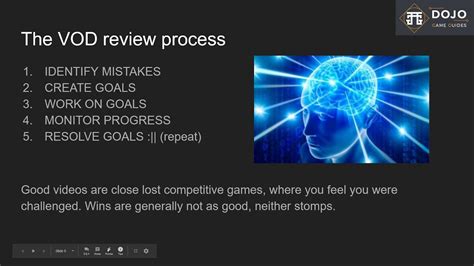
Maintain a continuous feedback loop. Implement lessons learned from VODs and debriefs into the next scrim block. Track whether the adjustments made are having a positive impact. If a strategy isn’t working, be prepared to iterate, modify, or even discard it. This iterative process is what builds a robust and adaptable competitive strategy.

Conclusion
Optimizing scrims for effective competitive strategy learning is a commitment, not a quick fix. It requires discipline, objective setting, structured communication, diligent analysis, and a willingness to adapt. By implementing these practices, amateur esports teams can elevate their gameplay beyond individual skill, fostering a cohesive unit that learns and grows together, ultimately paving their way to competitive success.