How can game moderators effectively manage toxic mod discussions to keep communities healthy?

The Silent Threat: When Moderation Discussions Turn Toxic
Game communities thrive on engagement, shared passion, and a sense of belonging. At the heart of maintaining this positive environment are the moderators, the unsung heroes who enforce rules and facilitate interaction. However, even within the critical realm of moderation – whether it’s internal team discussions, public discourse surrounding moderation decisions, or even direct attacks on moderators – toxicity can emerge. When these “mod discussions” become toxic, they don’t just undermine the moderation team; they erode community trust, foster resentment, and ultimately threaten the health and longevity of the entire game community. Managing this particular brand of toxicity requires a unique blend of foresight, empathy, and firm resolve.
The impact of uncontrolled toxic discussions among or about moderators can be far-reaching. It can lead to moderator burnout, internal strife, inconsistent rule enforcement, and a general decline in community morale. Therefore, developing strategies to effectively manage and mitigate this toxicity is paramount for any successful online game.
Understanding the Roots of Toxic Mod Discussions
What Constitutes Toxicity in this Context?
Toxic mod discussions can manifest in several ways: internal disagreements among moderators escalating into personal attacks or power struggles; public threads where players relentlessly badger or disrespect moderation decisions; or even targeted harassment campaigns against individual moderators. Key indicators include consistent negativity, personal insults, unfounded accusations, badgering, undermining fellow moderators, or spreading misinformation.
Common Triggers and Underlying Causes
Several factors can fuel these toxic dynamics. Policy disagreements, especially when poorly communicated or inconsistently applied, can be a major internal trigger. External pressures like intense public backlash over a ban or a perceived unfair decision can also quickly spiral into toxic discussions. Burnout, stress, lack of support, or even differing interpretations of community guidelines can exacerbate tensions among the moderation team itself. Recognizing these triggers is the first step toward effective management.

Proactive Strategies: Building a Foundation of Health
Prevention is always better than cure. Game communities can implement several proactive measures to minimize the likelihood of toxic mod discussions taking root.
1. Clear Communication and Guidelines
Establish crystal-clear internal guidelines for moderator conduct, conflict resolution, and decision-making processes. Equally important is transparent communication with the wider community about moderation policies, expectations, and the rationale behind significant decisions. When players understand the rules and how they’re applied, it reduces speculative toxicity.
2. Foster a Culture of Respect and Support
Encourage an internal moderation team culture where constructive criticism is welcomed, but personal attacks are not. Create safe spaces for moderators to voice concerns and disagreements without fear of retribution. Peer support, mentorship, and regular check-ins can help mitigate stress and prevent burnout, which often contributes to internal toxicity.
3. Regular Training and Skill Development
Equip moderators with training in de-escalation techniques, conflict resolution, and empathetic communication. Understanding different perspectives and having the tools to navigate tense situations can significantly reduce the chances of discussions turning toxic, both internally and externally.
Reactive Strategies: Intervening When Toxicity Arises
Despite best efforts, toxicity can still emerge. When it does, swift and decisive action is crucial.
1. Early Detection and De-escalation
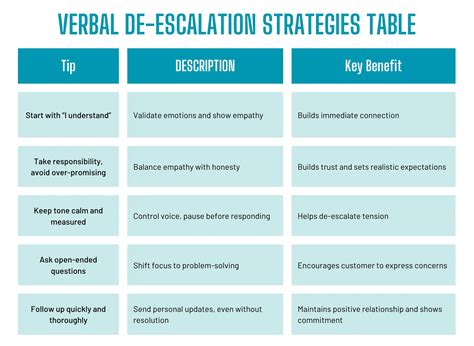
Actively monitor discussion channels where moderation is frequently discussed – both public forums and internal communications. When toxicity starts to brew, intervene early. For public discussions, a calm, factual response that reiterates policies or clarifies misinformation can often defuse the situation. For internal issues, private mediation or a direct, constructive conversation between involved parties is necessary.
2. Firm but Fair Enforcement
Do not shy away from enforcing rules against toxicity, even if it involves fellow moderators (via internal disciplinary action) or prominent community members (via warnings, mutes, or temporary bans). Inconsistency in enforcement sends a message that toxicity is tolerated, which only encourages more of it. Be transparent about why action was taken (e.g., “this comment violates our civility rule”), without delving into specifics of individual cases.
3. Transparent Post-Mortems and Learning
After a significant toxic incident, especially one involving the moderation team, conduct a post-mortem analysis. What went wrong? How could it have been handled better? What lessons can be learned? Share these insights internally to improve future responses and reinforce best practices. For public incidents, a brief, generalized summary of lessons learned can help rebuild trust without exposing sensitive details.
Empowering Moderators and Sustaining Community Health
Ultimately, effectively managing toxic mod discussions is about empowering your moderation team and fostering a resilient community.
Provide Adequate Support Systems
Moderators are on the front lines and often bear the brunt of community frustrations. Ensure they have access to mental health resources, a clear escalation path for difficult situations, and a supportive network of peers and leadership. A well-supported moderator is less likely to contribute to or be overwhelmed by toxicity.

Encourage Constructive Feedback Channels
While shutting down toxicity, it’s vital to provide legitimate channels for community members to submit feedback, appeal decisions, or voice concerns about moderation. This prevents genuine issues from festering and potentially exploding into widespread toxic discourse. Clearly defined processes show that community opinions are valued, even if decisions don’t always align with individual desires.

Conclusion: A Collective Responsibility
Managing toxic mod discussions is an ongoing challenge that requires continuous effort from game developers, community managers, moderators, and the community itself. By implementing proactive strategies for prevention, decisive reactive measures for intervention, and robust support systems, game communities can create environments where moderation is respected, discussions remain constructive, and the overall health of the community flourishes. It’s a collective responsibility to uphold civility and ensure that the vital work of moderation contributes positively to everyone’s game experience.