How can gaming communities effectively manage mod updates and user feedback?

The Dynamic World of Modding and Community Engagement
Modding has become an integral part of many gaming experiences, extending game lifespans, adding new content, and fostering incredible creativity. However, with the boundless potential of user-created content comes the significant challenge of managing mod updates and integrating user feedback effectively. For a gaming community to thrive around its mods, robust systems and clear communication are paramount.
Establishing Clear Communication Channels
The foundation of effective mod management lies in open and accessible communication. Communities must provide dedicated platforms where mod authors can announce updates and players can submit feedback. This could include specific channels on Discord servers, dedicated sub-forums on a community website, or project pages on modding platforms like Nexus Mods or ModDB. Clearly defined guidelines for reporting bugs or suggesting features can streamline the process significantly.
Beyond simply having a space, it’s vital to ensure these channels are actively monitored and moderated. A feedback channel that goes unnoticed or a bug report system without follow-up can quickly become a source of frustration, eroding community trust and engagement.
Streamlining Mod Update Processes and Documentation
Mod authors, often working voluntarily, benefit immensely from established practices for their update cycles. Clear version numbering (e.g., semantic versioning), detailed changelogs with every release, and compatibility notes are essential. Players need to know what’s new, what’s fixed, and whether an update might break their existing game or other mods.

Consider implementing a public roadmap or development log. This transparency not only sets player expectations but also generates excitement for upcoming features and fixes. For larger modding projects, using version control systems like Git can help manage changes, collaborate with other developers, and even automate release processes.
Effective Feedback Collection and Prioritization
Receiving feedback is easy; processing it effectively is the challenge. Implement structured forms for bug reports and feature requests that prompt users for necessary information (game version, mod version, steps to reproduce, screenshots). This reduces ambiguity and helps modders quickly understand the issue.

Prioritization is key. Not all feedback is equal, nor can all suggestions be implemented. Community managers or mod authors should have a system to triage feedback: critical bugs first, then high-impact features, followed by minor enhancements. Tools that allow users to upvote or comment on existing feedback can help gauge community interest and highlight common issues.
Fostering a Collaborative and Respectful Community
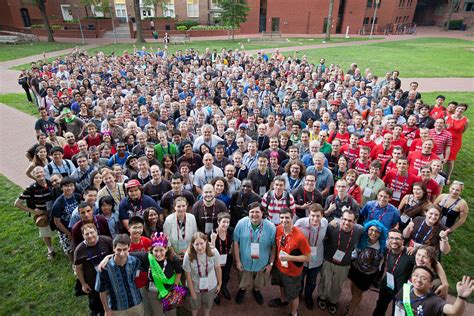
Ultimately, a successful modding community thrives on collaboration and mutual respect between mod authors and players. Encourage constructive criticism over negativity, and educate users on the effort involved in mod development. Mod authors should engage with their community, acknowledge feedback (even if it can’t be acted upon immediately), and provide updates on progress.
Organize community events, like Q&A sessions with mod authors or public testing phases for upcoming updates. This builds a sense of ownership and involvement, turning players into active contributors rather than just consumers.
Leveraging Tools and Automation
Several tools can assist in managing mods and feedback. Project management software (e.g., Trello, Jira, Asana) can track bugs, features, and tasks. Dedicated bug tracking systems provide robust reporting and workflow management. For game launchers that support it, integrating auto-update features for mods can greatly simplify the process for players, reducing compatibility issues.
Automated notifications for new updates or critical announcements can keep the community informed without constant manual effort. This allows mod authors and community managers to focus on development and direct engagement.
Conclusion
Effectively managing mod updates and user feedback is a continuous process requiring dedication, clear strategies, and the right tools. By prioritizing transparent communication, structured processes, and a collaborative community spirit, gaming communities can not only sustain their modding ecosystems but also ensure they grow into vibrant, engaging, and long-lasting extensions of their favorite games.