How can gaming communities set clear guidelines for user-created mods to ensure quality & safety?

The Double-Edged Sword of User-Created Mods
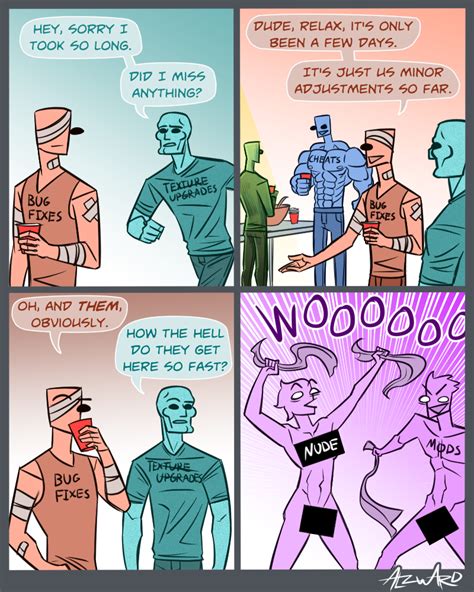
User-created modifications (mods) are a cornerstone of many vibrant gaming communities, breathing new life into beloved titles, extending playtime, and empowering players to shape their experiences. From minor graphical tweaks to massive content overhauls, mods showcase the incredible creativity and dedication of a game’s fanbase. However, this open-ended freedom comes with inherent challenges. Without clear guidelines, user-created mods can introduce issues ranging from game instability and security vulnerabilities to offensive content and unfair advantages, ultimately detracting from the overall gaming experience and potentially harming users.
Why Clear Guidelines are Indispensable
Establishing robust guidelines is not about stifling creativity but about channeling it responsibly. The necessity stems from several critical areas:
- Security Risks: Malicious code embedded in mods can compromise user data, install malware, or create backdoors. Clear rules on code integrity and vetting processes are vital.
- Quality Assurance: Poorly optimized or bug-ridden mods can crash games, corrupt save files, or degrade performance. Guidelines can encourage best practices in development and testing.
- Content Moderation: Mods can host inappropriate, offensive, or illegal content (hate speech, sexual exploitation, extreme violence), which can alienate players and violate platform terms of service.
- Fair Play & Game Integrity: Mods that offer unfair advantages can ruin competitive balance and the intended game experience for others.
- Intellectual Property & Legal Concerns: Misuse of copyrighted assets or lack of proper attribution can lead to legal complications for both modders and platform holders.
Key Elements of Effective Mod Guidelines
Comprehensive guidelines should address a spectrum of concerns, offering clarity to mod creators and users alike. These should ideally be developed collaboratively with community input.
Technical Standards & Safety Protocols
- Code Integrity: Require open-source code for review, or mandate scanning protocols for known malware and vulnerabilities. Detail prohibited functions (e.g., network access unrelated to game features, system-level modifications).
- Performance & Compatibility: Encourage testing across various hardware configurations and with other popular mods. Provide documentation on API usage and best coding practices to minimize crashes and conflicts.
- Installation & Uninstallation: Demand clear instructions and ensure mods can be easily removed without leaving residual files or corrupting game data.
Content & Ethical Standards
- Prohibited Content: Explicitly forbid content related to hate speech, discrimination, harassment, illegal activities, child exploitation, and excessive/unnecessary gore. Define what constitutes “obscene” or “offensive.”
- Intellectual Property: Mandate proper attribution for all assets not created by the modder, and provide clear rules regarding the use of copyrighted material from other games or media.
- Fair Play: Outline what constitutes an “exploit” or “cheat” mod and prohibit their distribution.
Implementing and Enforcing Guidelines Effectively
Guidelines are only as effective as their enforcement. A multi-pronged approach involving developers, community moderators, and automated systems is often best.
Developer & Platform Support
- Official Modding Tools & APIs: Provide robust, secure tools and well-documented APIs that guide modders toward safe and compatible development.
- Curated Mod Repositories: Create official platforms for mod distribution that allow for vetting, review, and easy reporting.
- Automated Scanning: Employ tools to automatically scan uploaded mods for malicious code, known exploits, and forbidden content patterns.
Community-Driven Moderation
- Reporting Systems: Implement clear, easy-to-use reporting mechanisms for users to flag problematic mods or content.
- Community Review Teams: Empower trusted, experienced community members to review submitted mods against guidelines.
- Rating & Feedback Systems: Allow users to rate mods and provide feedback, helping to identify high-quality and low-quality content.
Fostering a Culture of Responsibility and Transparency
Beyond enforcement, cultivating an environment where modders understand and embrace these standards is key to long-term success.
- Education & Resources: Provide comprehensive documentation, tutorials, and examples of acceptable and unacceptable mod content and practices.
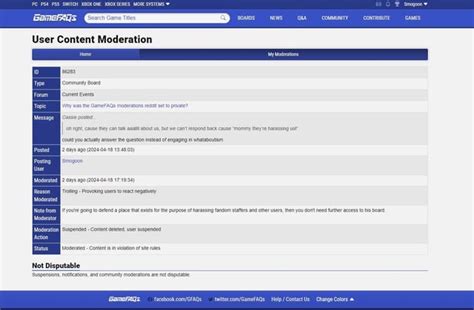
- Transparency in Moderation: Clearly communicate reasons for mod rejection or removal. Offer an appeals process for mod creators.
- Feedback Loops: Regularly solicit feedback from modders and users on the effectiveness and fairness of the guidelines, adapting them as the community evolves.
- Recognition & Incentives: Highlight modders who consistently adhere to high standards, fostering a sense of pride and encouraging others to follow suit.

Conclusion: A Balanced Ecosystem for Creativity and Safety
User-created mods are an invaluable asset to the gaming world, but their potential can only be fully realized within a framework of clear expectations. By collaboratively developing and rigorously enforcing comprehensive guidelines—addressing security, quality, content, and ethics—gaming communities can cultivate a safe, vibrant, and innovative ecosystem. This not only protects players and preserves game integrity but also empowers modders to continue pushing the boundaries of creativity responsibly, ensuring a richer experience for everyone involved.