How can gaming guides balance comprehensive detail with quick-reference readability?
The Perennial Dilemma of Gaming Guides
For gamers, a well-crafted guide can be the difference between frustration and triumph. But what makes a guide truly great? Often, it’s the delicate balance between offering exhaustive, comprehensive detail and ensuring it remains quickly readable and accessible. This isn’t just a stylistic choice; it’s a fundamental design challenge that impacts a guide’s utility and user experience.
On one hand, a guide needs to be thorough. Gamers want to know every secret, every optimal build, every obscure quest step, and every nuanced mechanic. On the other hand, when a player is stuck in a crucial moment, they don’t have time to wade through pages of text; they need a quick answer, a clear direction, or a vital stat at a glance.

Strategies for Achieving Comprehensive Detail
Achieving comprehensive detail requires a meticulous approach to content creation. This isn’t just about listing facts, but explaining context, strategy, and implications. Key strategies include:
- Modular Content Structure: Breaking down vast information into logical, hierarchical sections (e.g., chapters for main quests, sub-sections for side quests, item lists, character builds). This allows for deep dives into specific topics without overwhelming the reader upfront.
- In-depth Explanations: Providing not just what to do, but why. Explaining game mechanics, enemy behaviors, or spell synergies helps players understand the underlying systems, fostering true mastery rather than rote memorization.
- Rich Visual Aids: Detailed maps with marked points of interest, flowcharts for complex questlines, annotated screenshots, and data tables for item stats or ability scaling can convey a wealth of information compactly and clearly.
- Exhaustive Coverage: Documenting every collectible, every side quest, every hidden interaction, and all possible outcomes for choices ensures that no stone is left unturned for the completionist.
Fostering Quick-Reference Readability
Once the detailed content is in place, the challenge shifts to making it scannable and easy to navigate for those quick checks. Readability is paramount for real-time problem-solving. Consider these techniques:
- Clear Headings and Subheadings: Utilizing a consistent heading structure (H1, H2, H3) that clearly indicates the topic of each section. This allows users to quickly scan the table of contents or scroll through the page to find what they need.
- Bullet Points and Numbered Lists: For sequential steps, item lists, or summaries of key takeaways, these formats drastically improve readability by breaking up dense paragraphs.
- Strategic Highlighting: Using bold text, italics, or distinct colors (sparingly and consistently) to draw attention to critical information such as item names, important choices, or unique mechanics.
- Summaries and Key Takeaways: Preceding complex sections with a brief summary or concluding them with key takeaways allows users to grasp the essence without reading every word.
- Internal Linking and Anchors: Within longer guides, extensive use of internal hyperlinks to jump between related sections or anchor links for rapid navigation within a single page is crucial.
Leveraging Technology for a Dynamic Experience
Modern web-based guides have an advantage over static print guides through interactive elements and responsive design:
- Collapsible Sections: Implementing “spoiler” tags or collapsible content blocks allows users to hide detailed information they don’t immediately need, uncluttering the view for quick reference. They can expand sections only when a deeper dive is required.
- Search Functionality: A robust, well-indexed search bar is invaluable. Users can type in a specific item, quest, or enemy name and jump directly to relevant information.
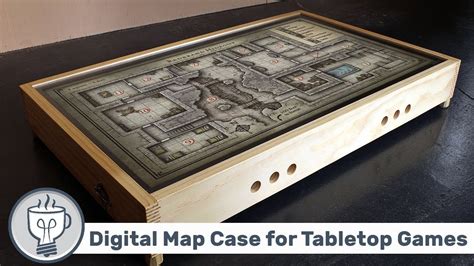
- Interactive Elements: Things like sortable tables, clickable maps, or calculators for character builds can significantly enhance both detail and usability.
- Responsive Design: Ensuring the guide is equally usable and readable on desktop, tablet, and mobile devices is critical, as many players reference guides on a second screen or their phone while playing.

Striking the Balance: A Practical Approach
The most effective strategy often involves a layered approach. Imagine a guide structured like an onion:
- Outermost Layer (Quick Reference): This includes the main headings, bullet-point summaries, and highlighted key info visible at a glance.
- Middle Layer (Moderate Detail): Clicking on a heading or expanding a section reveals more detailed paragraphs, specific steps, and relevant screenshots.
- Innermost Layer (Comprehensive Detail): Further expansion or navigation to dedicated pages provides exhaustive explanations of mechanics, lore dumps, or full item databases.
This approach caters to different user needs simultaneously. A player needing a quick reminder of a boss’s weakness can find it in the outermost layer. A player trying to optimize their character build can delve into the innermost layer for intricate calculations and strategy discussions.

Conclusion
Balancing comprehensive detail with quick-reference readability in gaming guides is not a compromise but an optimization. It requires a thoughtful content strategy, meticulous organization, and smart use of formatting and technology. By designing guides with a layered approach and a keen understanding of diverse user needs, creators can produce resources that are both exhaustive in their coverage and supremely easy to navigate, ultimately enhancing the gaming experience for everyone.