


How can gaming guides be structured for quick, specific info lookup without spoilers?

In the vast landscapes of modern video games, players often seek assistance to overcome challenges, find hidden items, or understand complex mechanics. However, the delicate balance lies in providing precise information without inadvertently revealing plot points or future events that could diminish a player’s sense of discovery. Crafting a gaming guide that serves as a swift, spoiler-free reference is an art form that significantly enhances the player experience.

The Core Challenge: Balancing Information and Discovery
The primary hurdle for guide creators is the inherent tension between comprehensive detail and the player’s desire to uncover secrets organically. A linear walkthrough, while thorough, often exposes too much too soon. Conversely, a guide that’s too vague is unhelpful. The goal is to empower players to make informed decisions about their gameplay without robbing them of critical narrative moments or the satisfaction of personal achievement.
Fundamental Structural Principles
Effective guide design hinges on a modular, user-centric approach. By breaking down information into digestible, easily navigable segments, players can pinpoint exactly what they need without sifting through irrelevant content.
Modular Design and Clear Sectioning
- Topic-Based Sections: Organize information by specific topics (e.g., ‘Combat Mechanics,’ ‘Character Builds,’ ‘Side Quests,’ ‘Collectibles’) rather than strictly chronological order.
- Geographical or Chapter Groupings: For games with distinct areas or chapters, create top-level sections for each, then sub-divide them by specific objectives or points of interest.
- Separation of Story and Mechanics: Clearly delineate sections that discuss narrative elements from those focusing on gameplay systems, items, or general tips.
Detailed Table of Contents and Navigation
- Interactive ToC: An easily accessible and clickable table of contents is crucial. This should include nested headings that allow players to jump directly to specific subsections.
- In-Page Anchors: Within longer sections, use internal links to allow quick jumps between related paragraphs or bullet points.
- Breadcrumb Navigation: For web-based guides, breadcrumbs help users understand their current location within the guide’s hierarchy.
Strategic Use of Indexes and Keywords
- Comprehensive Index: An alphabetical index of all significant in-game items, characters, locations, and quests, with links to relevant guide sections.
- Search Functionality: For digital guides, a robust search bar is indispensable. Tags and metadata behind the scenes can improve search accuracy.
- Consistent Naming Conventions: Always use the exact in-game names for clarity and searchability.
Spoiler Management Techniques
Protecting the player’s experience from unwanted revelations is paramount. This requires conscious effort in how information is presented.

Conditional Information Disclosure
- Spoiler Tags/Blurring: Implement UI elements that hide spoiler text or images until the user actively clicks or hovers over them.
- Separate Spoiler Sections: Dedicate an entirely separate section or even a companion guide specifically for story spoilers, secret endings, or late-game twists. Clearly label these sections.
- Progressive Revelation: Structure the guide so that critical story-path information is only presented within its relevant chapter or quest, and only when necessary for progression.
Dedicated Spoiler Zones and Warnings
- Clear Warning Banners: At the top of any potentially spoiler-heavy section, place a prominent warning indicating the presence of spoilers and their scope.
- Visual Cues: Use distinct colors or icons to mark sections that contain spoilers, making them immediately recognizable.
Enhancing Lookup Efficiency
Beyond structure and spoiler protection, the visual and interactive elements of a guide significantly impact its usability for quick lookups.

Visual Cues and Consistency
- Icons and Color-Coding: Use consistent icons for different types of information (e.g., a magnifying glass for collectibles, a sword for combat tips, a star for important items). Color-coding can further differentiate sections.
- Clear Formatting: Utilize headings, bullet points, numbered lists, and bold text effectively to break up walls of text and highlight key information.
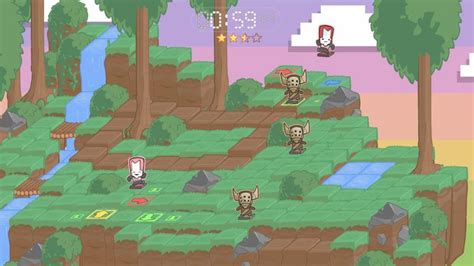
- Screenshots and Maps: Include relevant, high-quality screenshots and maps (without unnecessary spoilers) to provide visual context, especially for locations or puzzles.
Interactive Elements and Search Functionality
- Filterable Lists: For large inventories or skill trees, implement filters to quickly sort by type, rarity, effect, etc.
- Checklist Features: For collectibles or quest logs, allow users to mark items as found or completed, aiding in tracking progress.
By thoughtfully applying these structural and presentation techniques, guide creators can craft resources that are both comprehensive and user-friendly. The ultimate goal is to empower players to seek assistance precisely when and where they need it, preserving the joy of discovery and the integrity of their personal gaming journey. A well-structured, spoiler-free guide becomes an invaluable companion, not a replacement, for the gaming experience.