How can gaming guides deliver quick, spoiler-free boss strategies & puzzle answers?

In the expansive world of video games, hitting a roadblock—be it an intimidating boss or an inscrutable puzzle—is a common experience. While the thrill of discovery and triumph is central to gaming, sometimes a little nudge is all that’s needed to keep the momentum going. The challenge for guide writers lies in providing this assistance without sacrificing the player’s sense of accomplishment or, worse, spoiling key narrative elements.
The Delicate Balance: Help Without Spoilers
Players turn to guides for various reasons: they’re stuck, want to optimize their build, or simply seek confirmation. A well-crafted guide understands this spectrum, prioritizing brevity and clarity, especially when it comes to crucial moments like boss battles and intricate puzzles. The goal is to illuminate the path forward, not to walk the player through every single step or reveal story beats prematurely.
Mastering Spoiler-Free Boss Strategies
Boss encounters are often climactic moments, designed to test a player’s skills and understanding of game mechanics. Spoiling a boss’s true form, its story significance, or even its unique attack patterns before the player has experienced them can diminish the fight’s impact. Here’s how guides can navigate this:
- Focus on Mechanics: Instead of detailing the boss’s lore, guides should emphasize attack patterns, weak points, and environmental interactions. For example, advising to ‘dodge towards its left arm after its third swing’ is helpful; explaining ‘this is the ancient guardian brought back by the dark wizard’ is not.
- General Approach over Specifics: Provide broad tactical advice – ‘stay mobile during phase one,’ ‘utilize elemental damage,’ ‘conserve your ultimate for the final phase’ – rather than a blow-by-blow script.
- Gear and Build Recommendations: Offer suggestions for optimal equipment or character builds without revealing where to find late-game items or character developments.
- Minimal Text, Maximum Impact: Use bullet points, clear headings, and perhaps a concise graphic showing a boss’s vulnerable spots, keeping descriptive text to a minimum.

Unlocking Puzzles Without Ruining the Revelation
Puzzles are brain-teasers by design, and solving them can be immensely satisfying. A guide that simply gives the answer robs the player of that satisfaction. Instead, guides should act as a series of escalating hints:
- Tiered Hint Systems: Start with a subtle nudge (‘examine your surroundings carefully’), then a more direct clue (‘the symbols on the wall relate to the statue’s orientation’), and finally, if absolutely necessary, the answer, perhaps hidden behind a clickable ‘reveal solution’ button.
- Focus on ‘What to Look For’: Guide players on how to approach the puzzle conceptually (‘look for patterns in the environment,’ ‘consider the sequence of historical events mentioned’).
- Categorize Puzzle Types: Briefly identify if it’s a logic puzzle, an environmental manipulation, a sequence puzzle, or an item combination, helping the player to apply the right mental framework.
- Avoid Direct Answers Until Necessary: Reserve the explicit answer as a last resort, ensuring it’s clearly marked as a spoiler.

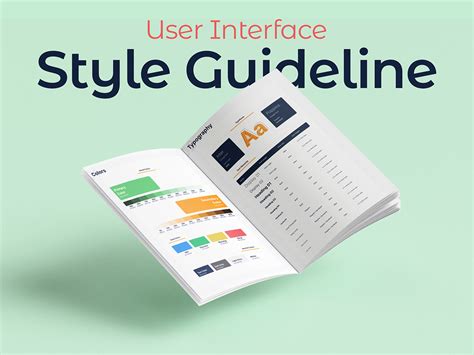
Design Principles for Effective Guides
The format and presentation of a guide are just as critical as its content. User experience dictates how quickly and efficiently a player can get the help they need without stumbling upon unwanted information.
- Clear Headings and Navigation: Players should be able to jump directly to the section they need (e.g., ‘Boss Name: Phase 2’ or ‘Puzzle Name: Solution’).
- Spoiler Warnings: Implement clear warnings for sections that might contain story spoilers, even if they’re tangential to the main strategy.
- Interactive Elements: Accordions, dropdowns, or tabs can hide detailed solutions or spoiler-heavy content, only revealing it when clicked.
- Concise Language: Every word should serve a purpose. Avoid verbose descriptions that add little to the solution.
The Future of Smart Guides
As games become more complex, so too will the demands on guides. Leveraging technology like dynamic content that adapts to a player’s progress (though requiring integration with game data), or AI-driven hint systems, could be the next frontier. For now, well-structured, thoughtfully written guides remain indispensable. By prioritizing the player’s experience, guides can continue to be a valuable resource, helping gamers conquer challenges while preserving the magic of discovery.

Ultimately, a truly effective gaming guide doesn’t just provide answers; it empowers players with the knowledge to find their own solutions, making the journey through any game more enjoyable and rewarding.