





How can gaming guides effectively cater to both speedrunners and completionists?

The Dual Challenge of Game Guide Design
Gaming guides face a unique challenge: satisfying two fundamentally different player types – the lightning-fast speedrunner and the meticulous completionist. While both seek mastery, their objectives often stand in stark contrast. Speedrunners aim for efficiency, cutting every possible corner to reach the credits in record time, often skipping vast portions of content. Completionists, conversely, revel in exploration, seeking out every secret, lore tidbit, side quest, and collectible, aiming for a glorious 100%.
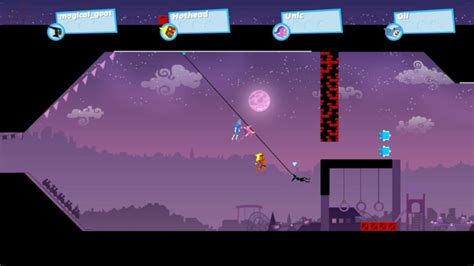
Understanding the Divergent Paths
The first step in crafting effective guides is to deeply understand these distinct motivations. A speedrunner’s ideal guide highlights optimal routes, critical path objectives, sequence breaks, and boss strategies designed for quick takedowns. Their priority is information density for quick decision-making under pressure.
A completionist, however, desires exhaustive detail. Their guide needs comprehensive maps, item checklists, quest logs, and explanations for every hidden secret or lore entry. They prioritize thoroughness and ensuring nothing is missed, even if it adds hours to their playtime.
Modular Design: The Key to Inclusivity
The most effective strategy for catering to both demographics is a modular guide design. Instead of attempting to interweave conflicting instructions, separate the content into distinct, easily navigable sections or even parallel walkthroughs. This allows players to choose their desired path without sifting through irrelevant information.

Speedrunner-Focused Elements
- Optimal Routes & Skip Strategies: Clearly outline the fastest path through each level, including sequence breaks, glitches (if applicable and beneficial for speed), and optimal movement techniques.
- Critical Item Acquisition: List only essential items needed to progress or significantly speed up boss fights/sections.
- Boss Strategy Breakdowns: Concise strategies focusing on rapid defeat, damage windows, and attack patterns to exploit.
- Time Estimates & Benchmarks: Provide target times for segments to help speedrunners gauge their pace.
Completionist-Focused Elements
- Detailed Maps & Collectible Checklists: Annotated maps showing every collectible, secret, and optional objective, perhaps with timestamps or specific descriptions for finding them.
- Side Quest & Lore Walkthroughs: Comprehensive guides for all side quests, including branching paths and character interactions. Extensive lore explanations for background information.
- Achievement/Trophy Guides: Specific instructions for unlocking every achievement, often integrated into the main walkthrough but clearly marked.
- “Missable” Warnings: Highlight any items, quests, or achievements that can be permanently missed, providing clear instructions on how to avoid this.

Navigating Between Paths: Cross-Referencing and Hybrid Options
While separation is crucial, good guides also facilitate easy navigation between the two approaches. Use clear headings, color-coding, or icons to distinguish sections. Hyperlinks within digital guides are invaluable for cross-referencing, allowing a speedrunner to quickly jump to a specific collectible’s location if they decide to snag it, or for a completionist to see an efficient route through a combat encounter.
Consider adding a “hybrid” or “fast completion” section for players who want to get most of the content without necessarily optimizing for world-record times. This could involve an an efficient route that still picks up all non-missable items and completes key side quests.

Presentation and Accessibility
Beyond content structure, the presentation itself plays a vital role. A clean, intuitive layout is paramount. Use tables for checklists, bold text for key actions, and clear headings for sections. For video guides, precise timestamps for different objectives are essential. A search function for digital guides allows players to quickly find specific items, bosses, or quests, regardless of their playstyle.

Conclusion
Effectively catering to both speedrunners and completionists requires a thoughtful, modular approach to guide design. By understanding their distinct goals and providing clearly segmented, yet interconnected, information, guide creators can craft resources that are invaluable to all types of players, enhancing the gaming experience for everyone.



