How can gaming guides keep mod compatibility info updated as game patches and mods evolve?
Navigating the Volatile Landscape of Mod Compatibility
In the vibrant world of PC gaming, mods breathe new life into beloved titles, offering endless customization and expanded gameplay. However, the joy of modding often comes with the headache of compatibility issues, particularly as games receive official patches and mods undergo their own updates. For guide creators, maintaining accurate and current mod compatibility information is a constant uphill battle. This article explores strategies to keep gaming guides relevant and reliable amidst the dynamic evolution of game patches and mods.
The Core Challenge: A Moving Target
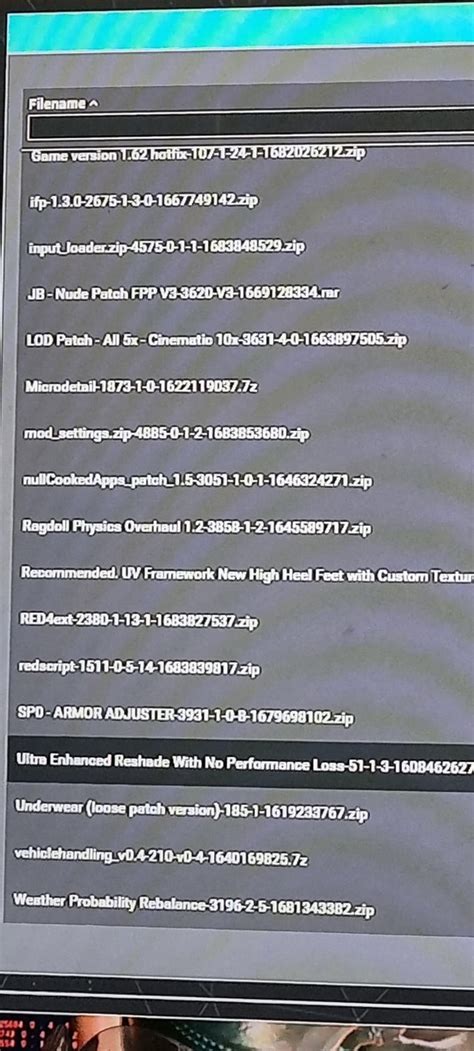
The fundamental difficulty lies in the inherently unstable nature of modding ecosystems. Game developers frequently release patches to fix bugs, add features, or change underlying game code. Each patch has the potential to break existing mods or alter their functionality. Simultaneously, mod authors update their creations to fix bugs, add new content, or adapt to game patches. This creates a complex web of dependencies where a guide written for game version X and mod A version 1.0 might be completely irrelevant or even detrimental if the game updates to version Y or mod A updates to version 1.1.
Furthermore, many mods rely on other mods or community-made frameworks, adding layers of potential conflict. A change in a foundational utility mod can ripple through dozens of dependent mods, necessitating widespread updates across the modding community and, consequently, in any guide attempting to document their interplay.
Strategies for Guide Creators to Stay Current
1. Embrace Version Control and Timestamps
Perhaps the most crucial step is to clearly state the exact game version and the specific mod versions a guide addresses. Every guide, or even individual compatibility entry, should have a ‘last updated’ timestamp. This transparent approach manages user expectations and provides a clear reference point. When a game or key mod updates, guide authors should prioritize reviewing and updating the affected sections, then prominently refresh the timestamp.
2. Foster Community-Driven Updates
No single author can keep up with every change. Leveraging the community is vital. Guides hosted on platforms like wikis, forums, or dedicated modding sites can integrate features like:
- Comment Sections: Allow users to report broken mods, suggest workarounds, or confirm compatibility with newer versions.
- User Contributions: For wiki-style guides, empower trusted community members to directly edit and update sections.
- Dedicated Forums/Channels: Create spaces where users can discuss specific compatibility issues and solutions, feeding information back into the guide.

3. Leverage Mod Managers and Compatibility Tools
Modern mod managers (e.g., Mod Organizer 2, Vortex, NMM Community Edition) are powerful tools for tracking mod versions, identifying conflicts, and managing load orders. Guides can integrate advice on using these tools to troubleshoot issues, rather than just providing static lists. Some modding communities also develop specific compatibility checkers or dependency graphs that can be linked or referenced in guides.
4. Focus on Principles, Not Just Prescriptions
Instead of merely listing compatible mods, guides can teach users *how* to identify and resolve conflicts. This includes:
- Explaining common conflict types (e.g., file overwrites, script incompatibilities).
- Providing methods for troubleshooting (e.g., binary searching, using xEdit, checking log files).
- Teaching about load order optimization and patch creation.
By empowering users with knowledge, guides become more resilient to updates, as users can adapt their setups even when specific entries become outdated.
5. Clear Disclaimers and Risk Assessment
Every modding guide should begin with a disclaimer emphasizing the inherent risks and the dynamic nature of compatibility. Advise users to always back up their game files, read mod descriptions carefully, and approach modding with caution. Guides can also provide ‘risk ratings’ for certain mod combinations or installation processes.
The Role of Mod Developers and Players
The responsibility doesn’t solely rest on guide authors. Mod developers can significantly aid the process by:
- Clear Documentation: Providing comprehensive changelogs, known incompatibilities, and precise version numbers for their mods.
- Semantic Versioning: Using a clear numbering system (e.g., v1.0.0, v1.0.1, v2.0.0) to indicate the scope of changes.
- Open Communication: Engaging with their communities to address issues and provide updates.

Players, in turn, play a crucial role by:
- Reporting Issues: Providing detailed bug reports with relevant game and mod versions.
- Contributing Solutions: Sharing their findings and fixes in guide comment sections or forums.
- Patience and Understanding: Recognizing that maintaining compatibility info is a monumental task.
Looking to the Future: Automated Solutions?
As modding continues to grow, there’s a burgeoning interest in more automated solutions. Imagine AI-driven tools that can parse mod files and game patches to predict compatibility conflicts or automatically generate patch files. While still largely conceptual, the development of more sophisticated mod managers and community-driven databases could pave the way for a future where compatibility information is more dynamically generated and maintained.

Conclusion
Keeping gaming guides abreast of mod compatibility changes is an ongoing challenge that demands a proactive, multi-faceted approach. By emphasizing version control, fostering community collaboration, leveraging modding tools, and educating users on troubleshooting principles, guide authors can create resources that remain valuable even in the face of constant evolution. The collective effort of guide creators, mod developers, and the player community is essential to navigating the exciting yet volatile world of modded gaming.