How can gaming guides maximize SEO and player engagement for new game releases?
Unlocking Success: The Power of Optimized Gaming Guides
In the fiercely competitive landscape of new game releases, captivating player attention and ensuring discoverability are paramount. Gaming guides and walkthroughs, when strategically crafted, serve as invaluable tools not only for assisting players but also for significantly boosting a game’s online visibility through search engine optimization (SEO) and fostering a vibrant, engaged community. For new titles, the initial days and weeks are crucial, and well-indexed, comprehensive guides can make all the difference in a game’s long-term success.

The Critical Role of Day-One Guides for New Game Releases
When a highly anticipated game launches, players rush to find information on quests, character builds, hidden secrets, and optimal strategies. Being among the first to provide accurate, helpful guides positions content creators as authoritative sources, capturing early search traffic and establishing brand loyalty. This early dominance can set the stage for sustained engagement throughout the game’s lifecycle.

SEO Strategies for Dominating Search Rankings
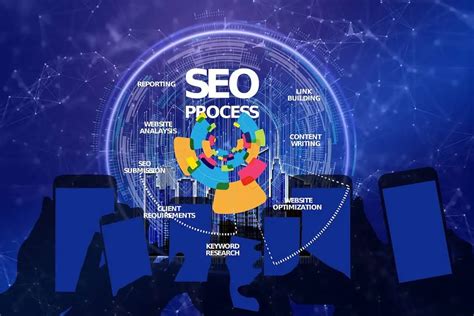
Maximizing SEO for gaming guides involves a multi-faceted approach, ensuring your content is easily found by the players who need it most.
In-Depth Keyword Research is Key
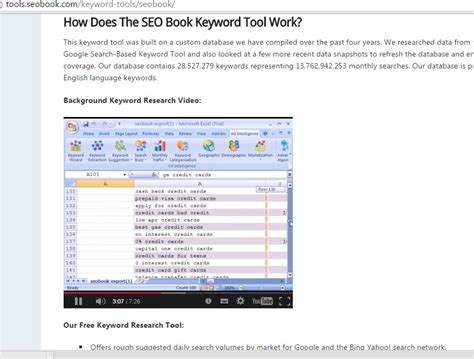
Start by identifying keywords players are likely to use. This includes specific game titles, character names, boss names, quest names, item names, and broader terms like “walkthrough,” “guide,” “builds,” “tips and tricks,” and “how to.” Utilize tools to find high-volume, relevant keywords with manageable competition. Consider long-tail keywords which often indicate higher search intent (e.g., “how to beat Elden Ring Malenia blade of Miquella”).
On-Page Optimization Best Practices
Integrate your target keywords naturally into various elements of your guide:
- Title Tags and Meta Descriptions: Craft compelling, keyword-rich titles and meta descriptions that accurately reflect the guide’s content and entice clicks.
- Headings (H1, H2, H3): Structure your guide logically with clear, keyword-infused headings. This improves readability for users and helps search engines understand your content’s hierarchy.
- URL Structure: Use clean, descriptive URLs that include primary keywords.
- Content Quality and Depth: Provide comprehensive, accurate, and easy-to-understand information. Google prioritizes content that truly helps users.
- Internal and External Linking: Link to other relevant guides on your site (internal linking) and authoritative external sources where appropriate.
Technical SEO and User Experience
Beyond content, the technical health of your site impacts rankings. Ensure your site is mobile-responsive, loads quickly, and is crawlable by search engines. Implementing structured data (Schema markup) for guides can help rich snippets appear in search results, increasing visibility.
Fostering Player Engagement Through Superior Content
SEO gets players to your guide, but engagement keeps them there and encourages them to return. High-quality, interactive content is crucial.
Unrivaled Quality and Accuracy
The foundation of engagement is trust. Guides must be factually correct, up-to-date with the latest patches, and clearly explained. Use simple language, break down complex mechanics, and provide actionable advice. Visual aids like screenshots, maps, and diagrams greatly enhance understanding.
Interactive Elements and Multimedia
Static text can be boring. Incorporate dynamic elements:
- Video Walkthroughs: Embed YouTube videos for visual learners, especially for complex boss fights or puzzle solutions.
- Interactive Maps: Allow players to track collectibles, quest objectives, or points of interest.
- GIFs and Short Clips: Demonstrate specific techniques or timings effectively.
- Comment Sections and Forums: Provide a space for players to ask questions, share their own tips, and discuss strategies.
- Polls and Quizzes: Engage users with questions related to game choices or lore.

Community Integration and Feedback
Actively solicit and respond to player feedback. Update guides based on new discoveries, community-shared strategies, or corrections. This not only improves the guide’s accuracy but also builds a loyal community around your content, making players feel valued.
Sustaining Momentum: Post-Launch Updates and Analytics
A new game release is just the beginning. Games evolve with patches, DLCs, and meta shifts. Continuously update your guides to reflect these changes. Utilize analytics tools to understand what content performs best, identify player pain points, and discover new keyword opportunities. This iterative process ensures your guides remain relevant and highly engaged over time.
Conclusion
For new game releases, meticulously crafted and SEO-optimized gaming guides are more than just helpful resources; they are powerful marketing tools. By focusing on strategic keyword research, technical optimization, superior content quality, and engaging interactive elements, content creators can maximize their guides’ discoverability, drive significant player engagement, and contribute directly to the long-term success and community building around a new title.