How can gaming guides optimize for SEO while keeping walkthroughs user-friendly?

The Dual Challenge: SEO and User Experience in Gaming Guides
In the competitive landscape of online gaming content, creating guides and walkthroughs that both rank high on search engines and genuinely assist players is a delicate balancing act. Many creators struggle to implement effective search engine optimization (SEO) strategies without compromising the clear, easy-to-follow format that users expect from a valuable game guide. This article explores how to integrate SEO best practices seamlessly while ensuring your walkthroughs remain the go-to resource for players seeking help.
Optimizing for Search Engines: Attracting Your Audience
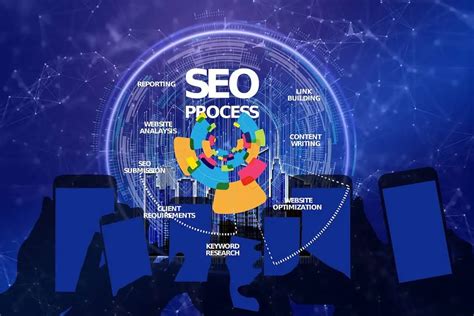
To reach a wider audience, your gaming guides must be discoverable. Effective SEO starts with thorough keyword research. Identify what players are searching for: specific quests, boss strategies, item locations, or puzzle solutions. Tools like Google Keyword Planner or SEMrush can reveal high-volume, relevant keywords. Integrate these keywords naturally into your guide’s title, headings, introductory paragraphs, and throughout the content, but avoid keyword stuffing, which can harm both SEO and readability.
Beyond keywords, consider on-page SEO elements. Optimize meta descriptions to entice clicks from search results, and use descriptive URLs. Incorporate schema markup (structured data) for game walkthroughs to help search engines understand your content better and potentially display rich snippets, such as star ratings or specific guide steps, directly in search results. This visibility can significantly boost organic traffic.

Crafting User-Friendly Walkthroughs: Guiding the Player
While SEO brings players to your guide, user-friendliness keeps them engaged and ensures they find the information they need. A good walkthrough is characterized by clarity, conciseness, and intuitive navigation. Break down complex tasks into small, numbered steps. Use clear, simple language, avoiding jargon where possible or explaining it adequately.
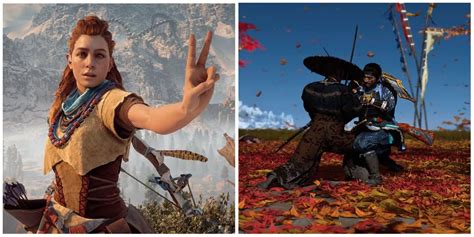
Visual aids are paramount. Screenshots, annotated maps, short video clips, or GIFs can illustrate steps far more effectively than text alone, especially for visual puzzles or combat sequences. Ensure these visuals are high-quality, relevant, and properly captioned with alt text (which also aids SEO!). Furthermore, implement a strong internal linking structure. Link to related guides (e.g., a “boss strategy” guide linking to an “item farming” guide for necessary gear) to provide more value and keep users on your site longer.

The Synergy: Blending SEO and User Experience Seamlessly
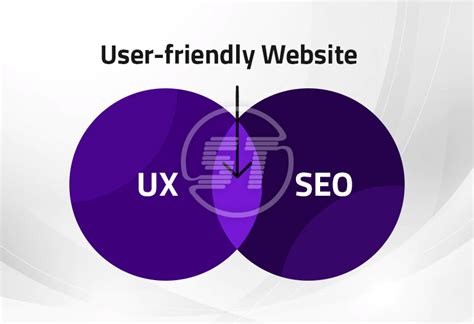
The true art lies in making SEO and user-friendliness complement each other. For instance, well-structured headings (H1, H2, H3) not only help search engines understand the hierarchy of your content but also make the guide easier for users to scan and navigate. A table of contents at the top of a long guide, with anchor links to specific sections, is a prime example of a feature that benefits both.
Mobile optimization is non-negotiable. Many players access guides on their phones or tablets while playing. Ensure your guides are responsive, load quickly, and are easy to read and interact with on smaller screens. Slow loading times and poor mobile experiences negatively impact both SEO rankings and user satisfaction.
Practical Strategies for Sustained Success
To maintain an edge, regularly update your guides. Game patches, new content, or community discoveries can render old information obsolete. Updating content signals to search engines that your site is active and relevant, and it ensures players always find accurate information. Encourage user feedback and comments, as these can provide valuable insights for improvements and new content ideas.
Finally, focus on creating authoritative, comprehensive content. Google increasingly prioritizes E-E-A-T (Experience, Expertise, Authoritativeness, Trustworthiness). Demonstrate your deep understanding of the game, cite sources if necessary, and present information accurately. This not only builds trust with your audience but also significantly boosts your standing with search algorithms.
Conclusion
Optimizing gaming guides for SEO while maintaining user-friendliness isn’t about choosing one over the other; it’s about integrating both principles from the outset. By conducting thorough keyword research, structuring content logically, leveraging visual aids, ensuring mobile responsiveness, and consistently updating your guides, you can create a powerful resource that attracts a vast audience through search engines and retains them with an unparalleled user experience. This holistic approach ensures your guides not only get found but also become indispensable tools for the gaming community.