




How can gaming review schema improve SEO & SERP visibility?
Unlocking Higher Rankings with Gaming Review Schema
In the competitive landscape of online gaming, standing out requires more than just compelling content. For websites that publish game reviews, leveraging structured data is a powerful, yet often underutilized, strategy to gain an edge. Gaming review schema markup, a specific type of structured data, can profoundly impact your search engine optimization (SEO) efforts and dramatically improve your search engine results page (SERP) visibility.
What is Gaming Review Schema Markup?
Schema markup is a form of microdata that you can add to your website’s HTML to help search engines better understand your content. For gaming reviews, this means explicitly telling Google, Bing, and other search engines details like the game’s title, the reviewer’s name, the rating given, and the aggregate score. This structured information uses a vocabulary defined by Schema.org, making it universally recognizable to search engines.
By implementing Review or AggregateRating schema, you’re not just presenting text; you’re providing context. Instead of guessing that a string of stars represents a rating, search engines *know* it does, along with the numerical value and the item being rated.

The SEO Advantage: How Schema Helps Search Engines
Schema markup directly aids search engines in several crucial ways, contributing to better SEO:
- Enhanced Understanding: Search engines can more accurately parse and categorize your content. When they understand exactly what your page is about – a review of a specific game with a particular rating – they can match it more precisely to user queries.
- Improved Indexing: Structured data facilitates more efficient crawling and indexing of your website. This ensures that your valuable review content is properly cataloged and accessible for search.
- Increased Relevance: By providing explicit data points, your content becomes more relevant to specific long-tail and intent-based queries, potentially boosting your rankings for those searches.
Boosting SERP Visibility with Rich Snippets
Perhaps the most immediate and visually striking benefit of gaming review schema is its ability to generate rich snippets. Rich snippets are enhanced search results that display additional information directly on the SERP, making your listing far more appealing than standard blue links. For gaming reviews, this typically includes:
- Star Ratings: Visual stars (e.g., ★★★★★) indicating the game’s rating, often accompanied by the numerical score.
- Aggregate Rating: If you collect multiple user reviews, the average rating can be displayed.
- Review Count: The total number of reviews contributing to the aggregate score.
- Reviewer Name: Sometimes, the name of the author or publication.

These rich snippets transform a plain search result into an attention-grabbing entry. Users are naturally drawn to listings that offer more information at a glance, especially visual cues like star ratings, which instill trust and provide quick context.
Key Benefits Beyond Visibility
- Higher Click-Through Rate (CTR): Rich snippets make your listing stand out, significantly increasing the likelihood that users will click on your result over competitors’ standard listings, even if you’re not in the #1 position.
- Enhanced User Experience (UX): Users get valuable information (the rating) directly on the SERP, streamlining their search process and building trust in your content’s utility.
- Increased Authority and Trust: Websites displaying rich snippets often appear more authoritative and reliable to users, as they indicate a commitment to providing structured, high-quality content that search engines can easily process.
- Future-Proofing: As search engines evolve towards more semantic understanding and AI-driven results, structured data becomes increasingly vital for your content to be effectively discovered and presented.

Implementing Gaming Review Schema: Practical Steps
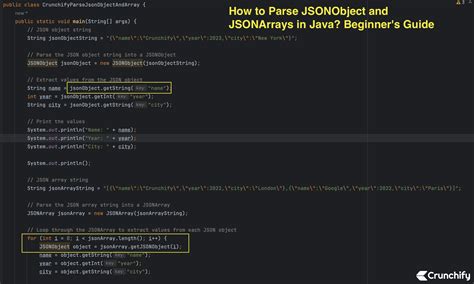
Implementing review schema is typically done using JSON-LD (JavaScript Object Notation for Linked Data), which is Google’s recommended format. Here’s a simplified overview:
- Identify Reviewable Content: Determine which pages on your site contain individual reviews or aggregate ratings for games.
- Choose Schema Type: Use
Reviewfor individual reviews andAggregateRatingif you’re compiling multiple user ratings. These often work in conjunction withGameorVideoGameitem types. - Extract Key Data: Gather the game title, reviewer name, rating value (e.g., 4.5 out of 5), best and worst rating values, and review date.
- Generate JSON-LD Code: Write or use a schema generator to create the JSON-LD script, embedding it in the
<head>or<body>of your review page. - Test Your Markup: Use Google’s Rich Results Test tool to ensure your schema is correctly implemented and eligible for rich snippets. This step is critical for validation.
Common Mistakes to Avoid
While powerful, schema markup can be misused. Avoid common pitfalls such as:
- Incorrect Implementation: Ensure all required properties are included and correctly formatted.
- Invisible Markup: The data you mark up must be visible to users on the page. Hiding schema data is a violation of Google’s guidelines.
- Spammy Markup: Only mark up relevant content. Don’t add review schema to pages that don’t actually contain reviews.
- Incomplete Data: Provide as much detail as possible. Missing crucial properties can prevent rich snippets from appearing.
Conclusion: Elevate Your Gaming Review Content
In the digital age, being discoverable is paramount. Gaming review schema markup is not just an SEO tactic; it’s a strategic investment in your website’s future. By helping search engines understand your content better and enhancing your presence on the SERP with visually appealing rich snippets, you can significantly improve your organic traffic, foster trust with your audience, and cement your position as a go-to source for gaming reviews. Embrace structured data to give your reviews the spotlight they deserve.