How can gaming reviews remain objective amidst launch hype?

Navigating the Storm: Why Objectivity Matters
The gaming world is often swept up in a whirlwind of excitement leading up to a major title’s release. Marketing campaigns are in full swing, communities buzz with anticipation, and developers share tantalizing snippets of gameplay. This “launch hype” is a powerful force, capable of shaping perceptions and driving initial sales. However, for professional gaming reviewers, this very hype presents a significant challenge: how to remain objective, critically assess a game’s true merits and flaws, and deliver unbiased insights to an eager audience.
The Anatomy of Launch Hype and its Impact
Launch hype isn’t just organic; it’s meticulously crafted. Publishers invest heavily in advertising, influencer campaigns, and early access programs, all designed to build maximum momentum. This creates an environment where positive sentiment can feel overwhelming, and any dissenting voice might appear out of sync. Reviewers often face immense pressure to deliver reviews on or before launch day, a deadline that can sometimes compromise thoroughness, especially when day-one patches or server issues are common.
Furthermore, the emotional investment of players can indirectly influence reviewers. When a community is passionately awaiting a game, the temptation to align with that excitement, or fear of backlash for a negative review, can subtly creep into the critical process. It’s a delicate balance between acknowledging player anticipation and upholding journalistic integrity.
Strategies for Upholding Impartiality
Maintaining objectivity amidst such fervent enthusiasm requires a disciplined approach and a commitment to journalistic ethics. Here are several key strategies reviewers employ:
1. Prioritizing Playtime Over Deadlines
- Delaying Reviews: While early reviews capture immediate attention, some critics opt to publish their full analysis a few days or even a week post-launch. This allows for more extensive play, observation of server stability (for online games), and the impact of initial patches, leading to a more complete and representative assessment.
- Thorough Testing: Dedicating sufficient hours to experience all major facets of a game – from core mechanics and story campaigns to side content and multiplayer modes – is crucial. Rushing can lead to superficial conclusions.

2. Focusing on Fundamentals and Comparative Analysis
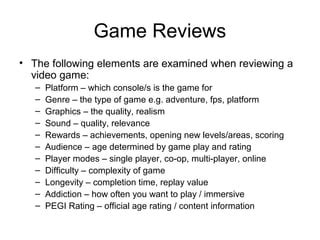
- Deconstructing Core Mechanics: Instead of being swayed by flashy graphics or cinematic moments, objective reviews drill down into gameplay loops, control responsiveness, user interface design, and level design. These fundamental elements are what truly define a game’s lasting appeal.
- Comparing to Predecessors and Peers: Placing a new title within the context of its genre or franchise helps evaluate innovation, improvements, or regressions. Is it genuinely pushing boundaries, or merely iterating safely?

3. Transparency and Ethical Practices
- Disclosing Review Conditions: Reviewers should clearly state what version of the game they played, on what platform, and if any pre-release conditions (like being part of an embargo group or receiving a review copy from a publisher) applied. This builds trust with the audience.
- Acknowledging Personal Bias: While striving for objectivity, complete neutrality is humanly impossible. Professional reviewers can acknowledge their personal preferences or past experiences with a franchise, while assuring readers they’ve made efforts to mitigate these influences.
- Consulting Multiple Perspectives: Engaging with fellow critics or community feedback (after forming an initial opinion) can help reviewers identify blind spots or confirm widespread issues.

The Consumer’s Role in a Hype-Driven Landscape
It’s not solely the reviewer’s responsibility to cut through the hype. Savvy consumers also play a part. By seeking out reviews from diverse sources, looking for detailed breakdowns over simple scores, and waiting a few days post-launch before making a purchase decision, players can contribute to a healthier review ecosystem. Understanding that a game’s initial state might not be its final form, especially in the era of live service titles and rapid patching, is also key.
Conclusion: The Enduring Value of Critical Insight
In an industry as passionate and financially driven as gaming, launch hype is an undeniable force. Yet, the role of the objective gaming review remains more vital than ever. By employing rigorous methodologies, prioritizing thorough analysis, and maintaining transparency, reviewers provide an essential service: guiding consumers through the noise and helping them make informed decisions based on genuine critical insight, not just marketing bluster. It’s a continuous pursuit, but one that strengthens the bond of trust between critics and their audience, ultimately benefiting the entire gaming community.