How can indie developers best pitch their game to be featured in Indie Spotlight?

For independent game developers, securing a feature in a prominent “Indie Spotlight” can be a game-changer. It’s an invaluable opportunity to gain visibility, attract players, and build momentum in a crowded marketplace. But with countless games vying for attention, how can you make your pitch stand out and capture the imagination of those who hold the spotlight?
Understanding the “Indie Spotlight” Mentality
Before you even think about writing a single word, immerse yourself in what the “Indie Spotlight” typically looks for. Is it innovation? Emotional storytelling? Unique gameplay mechanics? Technical prowess? Or perhaps a blend of all these? Research past features to understand the common threads and the editorial team’s preferences. Tailoring your pitch to resonate with their established criteria is paramount.
Craft a Compelling Narrative
Your game is more than just code and assets; it has a story, and so does its development. Editors and curators are often looking for a compelling narrative that goes beyond gameplay features. What inspired your game? What challenges did you overcome? What unique vision drives your team? Humanize your project. A passionate, authentic story can be incredibly persuasive and make your game memorable.
Show, Don’t Just Tell: The Power of Visuals
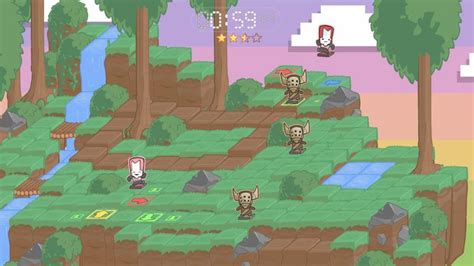
A picture is worth a thousand words, and a video is worth a million. Your pitch must include strong visual elements. This means a captivating trailer, high-quality screenshots, and ideally, a short gameplay demo (or a link to one). The trailer should be concise, exciting, and clearly convey your game’s core loop, aesthetic, and unique selling points. Ensure visuals are polished and reflect the best possible version of your game.

Prepare a Professional Press Kit
A well-organized and easily accessible press kit is non-negotiable. This digital package should contain everything a journalist or curator might need: game logo, key art, screenshots, character renders, developer bios, a detailed game description, fact sheet, links to trailers, social media, and your website. Make it easy to find, ideally with a dedicated press page on your site or a single, clear link within your pitch.
Highlight Uniqueness and Innovation
In a saturated market, originality is king. Clearly articulate what makes your game different. Is it a never-before-seen mechanic? A groundbreaking art style? A deeply emotional narrative tackling challenging themes? A novel approach to a classic genre? Pinpoint your unique selling proposition (USP) and emphasize it. Avoid generic descriptions; be specific about your game’s distinguishing features.

Be Concise, Clear, and Respectful of Time
Curators and editors are incredibly busy. Your initial pitch should be brief, to-the-point, and easily digestible. Get straight to the essence of your game and why it’s a perfect fit for their “Indie Spotlight.” Use clear, professional language, and avoid jargon. If they’re interested, they’ll ask for more details. Respecting their time shows professionalism.
Key Elements to Include in Your Pitch Email:
- Catchy Subject Line: Grab attention immediately.
- Brief Introduction: Who you are, your studio name, and your game’s title.
- Game’s Elevator Pitch: A 1-2 sentence summary of your game.
- Unique Selling Points: What makes it special?
- Development Stage & Platforms: Where is it now, and where will it be available?
- Links: High-quality trailer, playable demo (if applicable), and your press kit.
- Call to Action: A polite offer to provide more information or schedule a demo.
- Contact Information: Your email and relevant social media handles.

Timing and Follow-Up
Consider the timing of your pitch. Is your game close to a significant milestone (e.g., alpha, beta, early access, launch)? Pitching too early might mean you don’t have enough to show, while pitching too late might miss a crucial window. If you don’t hear back, a single, polite follow-up email after a reasonable period (e.g., 1-2 weeks) is acceptable, but avoid pestering. Sometimes, silence simply means they’re overwhelmed or your game isn’t a fit for their current spotlight.

Conclusion
Getting your indie game featured in an “Indie Spotlight” requires more than just a great game; it demands a strategic, professional, and compelling pitch. By understanding the platform’s focus, crafting a clear narrative, prioritizing strong visuals, and presenting a polished press kit, you significantly increase your chances of catching the eye of curators. Persistence, professionalism, and a genuine passion for your creation are your most powerful assets.