How can indie devs best pitch their game for an Indie Spotlight feature?

Understanding the Value of an Indie Spotlight
For independent game developers, securing an Indie Spotlight feature can be a game-changer. It offers invaluable exposure, connecting your passion project with a wider audience, potential players, and even industry partners. In a crowded marketplace, standing out is not just an advantage—it’s a necessity. But with countless games vying for attention, how do you ensure your pitch cuts through the noise and captures the imagination of those who hold the spotlight?
This article will guide you through the critical components of a successful indie game pitch, from crafting your core message to presenting your game in the most compelling visual way possible.
Crafting Your Core Message: What Makes Your Game Shine?
Before you even think about visuals, you need to distill the essence of your game into a captivating core message. This is often referred to as your ‘elevator pitch’ – a concise, exciting summary that can be delivered in just a few sentences.
- The Hook: What is the single most unique or compelling aspect of your game? Is it an innovative mechanic, a fresh art style, a powerful narrative, or a blend of genres? Start with this.
- Genre & Tone: Clearly state the game’s genre and the general feeling or experience players can expect. Think of comparative titles if they help paint a clearer picture, but always highlight your unique twist.
- Target Audience: Who is this game for? Knowing your audience helps tailor your pitch and demonstrates a clear market understanding.
Your core message should make the recipient immediately understand what your game is about and why it’s special. Avoid jargon and focus on clarity and excitement.
Visuals That Speak Volumes: Your Game’s First Impression
In game development, visuals are paramount. A great pitch can be undone by poor visual representation, while stunning visuals can elevate an otherwise good pitch. This is where your game truly comes to life for the person reviewing your submission.
- The Trailer: An incredibly well-edited, short (1-2 minutes) gameplay trailer is non-negotiable. It should showcase actual gameplay, unique mechanics, the game’s art style, and its overall feel. Start strong, maintain engagement, and end with a compelling call to action or a memorable moment.
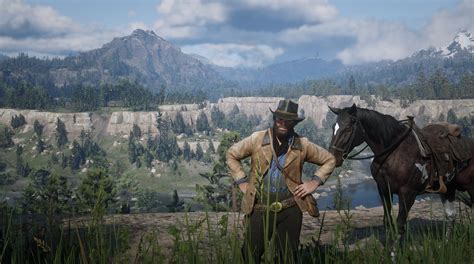
- High-Quality Screenshots & GIFs: Provide a selection of your best, most representative screenshots. These should be high-resolution, demonstrate different environments, characters, and key gameplay moments. GIFs are excellent for showcasing dynamic gameplay loops or specific mechanics in a quick, shareable format.
- Distinctive Art Style: If your game has a unique or particularly appealing art style, ensure it’s prominently featured. Explain the inspiration or the intention behind it, as it can be a significant draw.
Beyond the Pitch: The Indispensable Press Kit
A well-organized and easily accessible press kit is a mark of professionalism and makes the job of any writer or editor significantly easier. This isn’t just an extra; it’s a fundamental part of your pitch.
- What to Include: Your press kit should contain key art, logos, a fact sheet (platforms, release date, developer info, key features), a detailed game description, developer bios, links to your website/social media, and, crucially, a link to your trailer and high-resolution visuals.
- Demo Access: If you have a playable demo, ensure it’s easily accessible and polished. A short, representative demo can be far more impactful than any description. Make sure it’s stable and provides a good first impression.
- Accessibility: Host your press kit on your website or a reliable cloud storage service (e.g., Google Drive, Dropbox) with a clean, easy-to-remember URL.

The Story Behind the Game: Connecting on a Deeper Level
While gameplay and visuals are critical, the human element can make your pitch truly memorable. People love stories, and the story of your game’s creation can be incredibly compelling.
- Developer Journey: Briefly share your team’s passion, your inspiration for the game, or any unique challenges overcome during development. This personal touch can foster a connection.
- Game’s Narrative/Theme: If your game has a compelling story or explores interesting themes, highlight them. How does it resonate with players? What message are you trying to convey?
- Conveying Passion: Let your enthusiasm for your project shine through. A genuine passion for your craft is infectious and can make a lasting impression.
Tailoring Your Approach and Mastering Follow-Up
A generic pitch is unlikely to succeed. Research and personalization are key to standing out.
- Research the Spotlight: Understand the specific platform or publication you’re pitching to. What kind of games do they usually feature? Tailor your pitch to align with their interests and editorial style.
- Be Concise: Editors and writers are busy. Get to the point quickly, provide all necessary information without excessive fluff, and make it easy to find the most important details.
- Follow-Up: A polite, brief follow-up email after a reasonable period (e.g., a week or two) is acceptable. Avoid pestering; know when to let go. Sometimes, it’s about timing.
Conclusion: Persistence and Polish Pay Off
Pitching your indie game for an Indie Spotlight feature is an art form that combines clear communication, stunning visuals, and a professional presentation. By focusing on a compelling core message, showcasing your game through high-quality media, providing a comprehensive press kit, and infusing your unique story, you significantly increase your chances of catching the eye of those who can help propel your game into the limelight. Remember, persistence, continuous refinement of your pitch, and a genuine belief in your game are your greatest assets on this journey.