How can indie devs maximize discoverability using an Indie Spotlight feature?

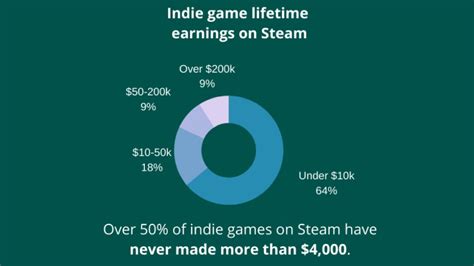
The vast digital landscape of modern gaming platforms presents a double-edged sword for independent game developers. While it offers unprecedented access to global audiences, it also creates an incredibly crowded marketplace where countless games vie for attention. For a small indie studio, the challenge of standing out, getting noticed, and ultimately being discovered by potential players can be as daunting as developing the game itself. This is where dedicated “Indie Spotlight” features, increasingly common on major storefronts and gaming news sites, become invaluable tools. When utilized effectively, an Indie Spotlight can be a game-changer, providing a concentrated burst of visibility that can kickstart a game’s journey.
Understanding the Indie Spotlight Mechanism
An Indie Spotlight feature is typically a curated promotional slot offered by a platform (like Steam, Epic Games Store, Xbox, PlayStation, or even specialized indie game aggregators). It usually involves prominently featuring an indie game on the storefront’s homepage, in dedicated sections, or through editorial coverage. This direct exposure puts your game front and center, bypassing much of the algorithmic noise. The specifics can vary, but generally, a spotlight means editorial endorsement and increased algorithmic weighting, leading to a significant spike in impressions and clicks. The key is to be prepared to maximize this fleeting but powerful opportunity.

Crafting an Irresistible Game Presence for the Spotlight
Once selected for a spotlight, your primary goal is to convert the increased traffic into wishlists, downloads, or sales. This begins with an absolutely polished and compelling game store page or promotional kit. Your game’s page is its storefront, its elevator pitch, and its first impression—all rolled into one.
High-Quality Visual Assets are Non-Negotiable
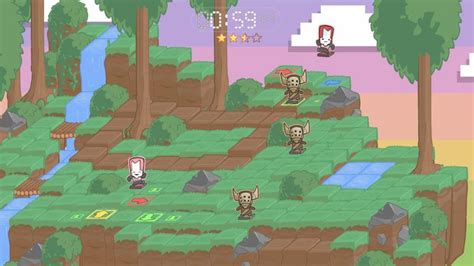
Ensure your trailer is captivating, showcasing gameplay, unique mechanics, and aesthetic appeal within the first 30 seconds. Screenshots should highlight the best moments, diverse environments, and key features. Use crisp, professional-grade key art and a compelling logo. These visuals are often the first thing a spotlighted game browser sees.
Clear and Concise Messaging
Your game’s description needs to instantly communicate its genre, core loop, and unique selling proposition. Avoid jargon; speak directly to the player. What makes your game special? Why should they play it over the thousands of others? A concise, engaging summary is crucial for a spotlight visitor who might only spend seconds on your page.

Engaging with the Platform and Community
Being selected for an Indie Spotlight often requires a degree of prior engagement with the platform or its community managers. Building relationships, participating in developer events, and being active on forums or developer channels can increase your chances of being noticed for a spotlight opportunity. Furthermore, once spotlighted, active engagement becomes even more critical.
Be ready to respond to comments, questions, and feedback on your store page or social media channels. Maintain transparency about development, share updates, and foster a sense of community around your game. Platforms often favor developers who are active, communicative, and committed to their players, as this reflects positively on the platform itself.
Leveraging the Spotlight for Broader Reach
A spotlight isn’t just about direct traffic; it’s also a powerful piece of social proof and a marketing hook. When your game is spotlighted, shout it from the rooftops! Announce it across all your social media channels, your Discord server, and any newsletters. Leverage the platform’s endorsement to gain further media attention. Reach out to gaming journalists and influencers, informing them that your game has been selected for a major platform’s spotlight—this adds significant credibility to your pitch.

Post-Spotlight Momentum and Follow-Up
The effects of an Indie Spotlight will naturally wane, but the goal is to convert that initial surge into sustained interest. Don’t view the spotlight as a one-time event; see it as a launchpad. Plan for post-spotlight updates, sales events, or community challenges to keep players engaged and maintain visibility. Regularly update your game with new content, bug fixes, and performance improvements, and communicate these updates effectively to your growing player base. A well-received update can generate mini-spotlights in its own right through positive word-of-mouth and renewed platform attention.
The Long-Term Impact: Building a Sustainable Indie Future
Successfully navigating an Indie Spotlight can lead to more than just a temporary sales bump. It can significantly increase your game’s visibility within the platform’s algorithms, attract dedicated fans, generate valuable player feedback, and even catch the eye of publishers or investors for future projects. By maximizing every aspect of this opportunity—from polished presentation to proactive community engagement and strategic follow-up—indie developers can transform a fleeting moment in the spotlight into a foundational step towards long-term success and sustained discoverability in the competitive gaming world.