How can indie devs maximize discoverability via Indie Spotlight features?

Understanding the Power of Indie Spotlights
In the crowded landscape of game development, discoverability remains one of the biggest challenges for indie studios. With countless titles launching daily, getting your game noticed by the right audience can feel like finding a needle in a haystack. This is where “Indie Spotlight” features, offered by various digital storefronts, platforms, and media outlets, become invaluable. These curated sections are designed to highlight promising, innovative, or unique independent games, providing a crucial visibility boost that organic discovery alone often can’t achieve.
Securing an Indie Spotlight feature can translate directly into increased impressions, wishlists, sales, and community engagement. It’s an endorsement from a platform, signaling to players that your game is worth their attention. To truly maximize this opportunity, however, requires more than just hoping to be picked; it demands strategic preparation, compelling presentation, and proactive engagement.

Phase 1: Pre-Spotlight Preparation
Before your game can even be considered for an Indie Spotlight, a strong foundation is essential. This phase is all about making your game and your studio attractive to those who curate these features.
Know Your Platform & Criteria
Different platforms (Steam, Epic Games Store, Xbox, PlayStation, Nintendo eShop, mobile stores, specialized indie curators, etc.) have varying criteria and processes for selecting games. Research each platform’s approach to indie showcases. Do they prioritize innovation, sales potential, community engagement, or specific genres? Understanding their editorial bent will help you tailor your approach.
Build relationships where possible. Attend developer events, participate in relevant online communities, and connect with platform representatives. Being known, even slightly, can open doors.
Refine Your Game and Presence
A great game is the ultimate foundation. Ensure your game is polished, stable, and offers a compelling experience. Beyond the game itself, your public-facing assets are critical:
- Store Page Optimization: Your game’s store page is its virtual storefront. It needs to be meticulously crafted.
- Captivating Trailer: A short, high-quality trailer (60-90 seconds) is paramount. It should immediately convey your game’s core loop, unique selling points, and visual style.
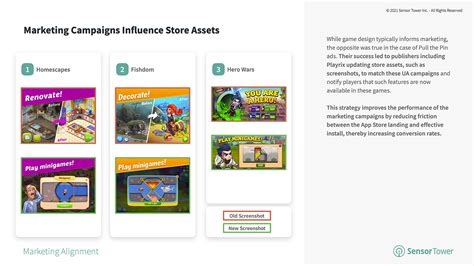
- Stunning Screenshots: Use a mix of in-game action, key moments, and UI shots. Highlight variety and appeal.
- Descriptive Text: Clear, concise, and engaging text that tells players what your game is about, why it’s special, and what they can expect.
- Press Kit: Have a readily accessible press kit on your website with high-res assets, logos, and key information.
Phase 2: Crafting Your Pitch & Leveraging the Feature
Once you’ve done the groundwork, it’s time to actively pursue and then capitalize on the spotlight.
Develop a Compelling Pitch
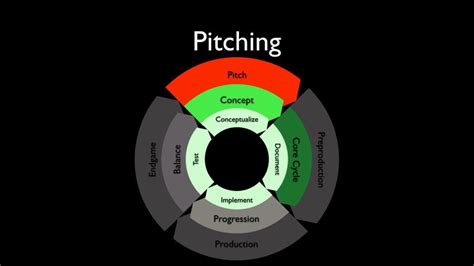
If there’s an application process, treat it like a professional pitch. Clearly articulate:
- What makes your game unique and why it deserves attention.
- Its target audience and market potential.
- Any notable achievements (awards, positive early reviews, successful crowdfunding).
- Your story as a developer (if relevant and compelling).
Be prepared to provide builds, access keys, and any requested information promptly and professionally.
Maximize the Spotlight Window
The moment your game is featured, it’s go-time. This is not the time to relax; it’s time to amplify the effect:
- Announce It Everywhere: Share the news across all your social media channels, Discord server, newsletter, and website. Provide direct links to the spotlight feature.
- Engage with New Players: Be present in your game’s community hubs. Respond to comments, answer questions, and welcome new players. A responsive developer fosters a positive community.
- Consider a Discount or Update: A small, timely discount can convert many new eyes into buyers during a spotlight. Releasing a minor update or announcing upcoming content can also generate buzz.
- Cross-Promote: If the spotlight is on a specific platform, gently remind your audience on other platforms where they can find your game (if available).

Phase 3: Post-Spotlight Follow-Up
The spotlight may fade, but its effects can linger if managed correctly.
Analyze Performance: Track the impact on wishlists, sales, traffic, and community growth. What worked well? What could be improved for next time?
Maintain Momentum: Continue engaging with your community, pushing updates, and sharing development news. The spotlight brought new people in; now keep them interested.
Thank the Curators: A simple, sincere thank you to the platform or individuals who featured your game can go a long way in building goodwill for future opportunities.
By treating Indie Spotlight features as a strategic marketing pillar rather than a lucky break, indie developers can significantly enhance their game’s discoverability, build a stronger community, and ultimately achieve greater success in a competitive market.