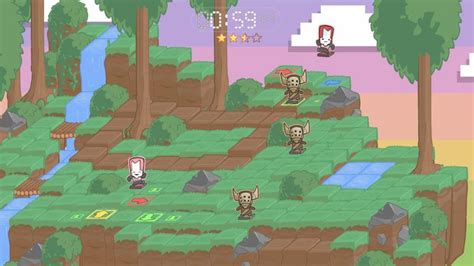
How can Indie Spotlight best showcase truly engaging indie games for optimal player discovery?

In the vast and ever-expanding universe of video games, indie titles often represent the pinnacle of innovation, artistic expression, and passion. However, the sheer volume of new releases makes player discovery an enormous challenge for even the most brilliant independent developers. “Indie Spotlight” has the crucial role of acting as a beacon, guiding players to these hidden gems. But how can it evolve to not just list games, but truly showcase engaging experiences, leading to optimal player discovery?
Beyond the Listing: Curated Deep Dives
Simply listing games with a short description is no longer enough. To truly engage players, “Indie Spotlight” must delve deeper. This means moving beyond superficial reviews to offer comprehensive, curated content that highlights what makes a game special. Imagine detailed articles that explore the unique mechanics, the narrative nuances, or the emotional impact of a title, akin to a well-produced documentary.
Furthermore, offering exclusive developer interviews can provide invaluable insight into the creative process, the challenges overcome, and the vision behind the game. This human element connects players directly to the creators, fostering a deeper appreciation and emotional investment before they even hit the ‘buy’ button.
Interactive Showcases: Engaging Players Directly
Static content, while important, pales in comparison to interactive experiences. “Indie Spotlight” should leverage live streaming platforms to host regular gameplay showcases. These aren’t just streams; they should be carefully planned sessions demonstrating key features, critical moments, and different playstyles. Incorporating developer commentary during these streams can answer player questions in real-time and provide context for design choices.
Consider organizing virtual ‘playtest weekends’ or ‘demo festivals’ where featured games are available for a limited time. This hands-on experience allows players to discover if a game truly resonates with them before committing to a purchase, drastically increasing the quality of discovery and reducing buyer’s remorse.

Leveraging Community and Personalization
Player discovery is often driven by community buzz and trusted recommendations. “Indie Spotlight” can amplify this by actively fostering a community around the games it features. This could involve forums, Discord channels, or even dedicated subreddits where players can discuss games, share experiences, and provide feedback directly to developers. Showcasing player-generated content, such as fan art, theories, or innovative gameplay videos, can further energize the community.
Moreover, personalized recommendations are key. While a broad spotlight is good, understanding player preferences through data (e.g., genre history, wishlists) and tailoring suggestions can make discovery feel more personal and relevant. An algorithm that learns from player interactions with “Indie Spotlight” content could be a powerful tool.

Highlighting Uniqueness and Innovation
What makes an indie game truly engaging? It’s often its ability to break norms, innovate mechanics, or tell a story in an unforgettable way. “Indie Spotlight” needs to actively identify and articulate these unique selling propositions. This means dedicating segments or articles to dissecting a game’s innovative design choices, its artistic influences, or its emotional core.
Focusing on the ‘why’ behind a game’s existence, rather than just the ‘what’, can draw in players looking for fresh, meaningful experiences. Awards or ‘seals of approval’ from “Indie Spotlight” for categories like ‘Most Innovative Gameplay,’ ‘Best Narrative,’ or ‘Outstanding Art Direction’ could serve as trusted markers for players.

Strategic Timing and Cross-Promotion
The timing of a spotlight can be as crucial as its content. Coordinating features with major game events (like Steam Next Fest, PAX, or GDC), or with a game’s own major updates or launches, can significantly boost visibility. Furthermore, cross-promotion with influencers, gaming media outlets, and even other indie developers can expand the reach of “Indie Spotlight” itself, drawing more eyes to its curated content.
Partnering with platform holders (Steam, Epic, console storefronts) to secure prominent placement for featured titles after an “Indie Spotlight” feature could create a powerful pipeline from discovery to acquisition.
Conclusion: A Holistic Approach for Deeper Discovery
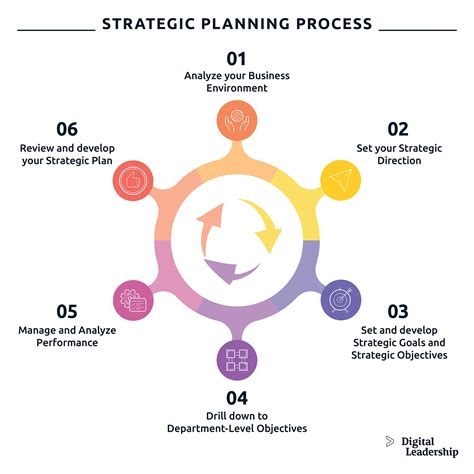
Optimal player discovery for indie games requires a multifaceted, thoughtful approach. “Indie Spotlight” must evolve from a mere directory into a comprehensive curator and community hub. By combining deep, narrative-driven content, interactive showcases, personalized recommendations, critical analysis of innovation, and strategic cross-promotion, “Indie Spotlight” can become an indispensable resource. This holistic strategy will not only help engaging indie games find their audience but also enrich the gaming landscape for players seeking truly unique and memorable experiences.