How can Indie Spotlight consistently unearth truly unique, under-the-radar indie gaming gems?

The Quest for Unseen Worlds: A Deep Dive into Indie Discovery
In the vast, ever-expanding galaxy of video games, the indie sector shines as a beacon of creativity and innovation. Yet, with thousands of titles launching annually, the challenge for platforms like “Indie Spotlight” isn’t merely finding good games, but consistently identifying those truly unique, under-the-radar gems that often escape mainstream attention. This ambitious goal requires a multi-faceted strategy, blending technological prowess with human intuition and a profound understanding of the indie landscape.
Beyond Algorithms: The Human Touch of Curation
While algorithms are adept at identifying popular trends and highly-rated titles, they often struggle with the nuanced qualities that define true uniqueness or the early indicators of a future cult classic. For Indie Spotlight, human curation is paramount. A dedicated team of passionate game enthusiasts, with diverse tastes and deep industry knowledge, forms the core of this discovery process. These curators are tasked with:
- Cultivating Niche Expertise: Developing specialists in various genres, art styles, or mechanics (e.g., narrative-driven games, experimental gameplay, pixel art, horror).
- Following Developer Journeys: Tracking promising indie studios and solo developers from their earliest prototypes or game jam entries, rather than just waiting for release.
- Subjective Assessment: Applying critical thinking to assess originality, artistic vision, technical execution, and the emotional impact that an algorithm simply cannot quantify.
Deep Digital Ecosystem Exploration
Truly under-the-radar games don’t always launch with a bang on major storefronts. Many begin their lives on less-trodden paths. Indie Spotlight must cast a wide net across the digital sphere:
- Alternative Storefronts: Actively monitoring platforms like itch.io, Game Jolt, and even direct developer websites, where experimental or niche titles often find their first audience.
- Game Jams & Showcases: Keeping an eye on global and local game jams (e.g., Ludum Dare, Global Game Jam) and student showcases, which are fertile grounds for novel concepts and emerging talent.
- Early Access & Development Blogs: Engaging with games in their early development stages on platforms like Patreon, YouTube devlogs, and private forums, allowing curators to spot potential before wider public awareness.
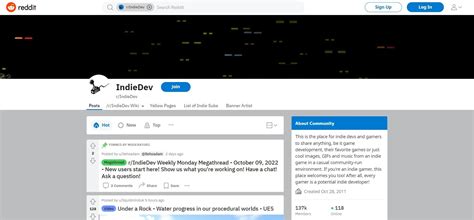
- Social Media & Forums: Probing communities on Reddit, Discord, and specialized forums where indie developers discuss their work and where players share obscure finds.

Leveraging Community and Creator Networks
The indie community itself is a powerful engine for discovery. Indie Spotlight can tap into this network in several ways:
- Developer-to-Developer Referrals: Many indie developers are keen followers of their peers’ work. Creating channels for developers to recommend other promising, lesser-known projects can be highly effective.
- Community Scouting Programs: Empowering trusted community members or established content creators (streamers, YouTubers with a focus on indies) to submit their unique finds, which then undergo the Spotlight’s vetting process.
- Direct Submission Channels: While often overwhelming, a well-managed submission portal with clear criteria can attract developers who believe their game aligns with the “unique, under-the-radar” ethos.
Defining “Unique” and “Under-the-Radar”
For consistency, Indie Spotlight needs a clear working definition:
- Uniqueness: This transcends simple genre classification. It could mean innovative core mechanics, a groundbreaking narrative structure, a never-before-seen art style, an unexpected thematic combination, or a fresh take on a classic concept that genuinely pushes boundaries. It’s about a game offering an experience not readily available elsewhere.
- Under-the-Radar: This refers to games that, despite their quality, haven’t yet gained significant traction with mainstream gaming media or a large player base. Factors could include a small marketing budget, a debut developer, release during a busy period, or simply being overlooked due to its niche appeal. The goal is to elevate these titles before they become widely known.

The Iterative Process of Discovery
Consistently finding these gems is not a one-time event but an ongoing, iterative process. Indie Spotlight must continually refine its methodologies, learn from its discoveries (and its misses), and adapt to the ever-evolving indie game development landscape. This involves:
- Data-Driven Refinement: Analyzing engagement metrics for featured games to understand what truly resonates with the audience seeking unique experiences.
- Feedback Loops: Soliciting feedback from developers and players on the discovery process itself.
- Staying Agile: Being prepared to explore new platforms, new development tools, and new creative expressions as the indie scene continues to innovate.
Conclusion: A Lighthouse for Hidden Treasures
Indie Spotlight’s mission to consistently unearth truly unique, under-the-radar indie gaming gems is both challenging and incredibly rewarding. By combining the discerning eye of expert curators with extensive digital exploration, community leverage, and clear definitional criteria, it can serve as a vital lighthouse, guiding players to hidden treasures they might otherwise never discover. This commitment to deep discovery not only enriches the gaming community but also provides invaluable exposure to the creators who dare to innovate at the fringes of the industry.