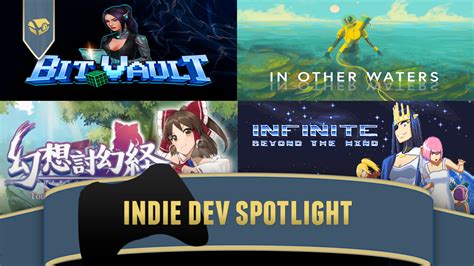




How can “Indie Spotlight” generate more wishlist adds and game sales for featured devs?

Optimizing “Indie Spotlight” for Maximum Impact
For independent game developers, visibility is often the greatest hurdle to success. A well-placed “Indie Spotlight” feature can be a game-changer, but its true potential to drive wishlist additions and sales is often untapped. By implementing strategic enhancements, these spotlights can transform from simple showcases into powerful growth engines for featured developers.
Elevating Visibility and Reach
The first step to boosting impact is to ensure the spotlight itself has maximum reach. Simply featuring a game on a dedicated “Indie Spotlight” page isn’t enough. Integrate the spotlighted games across the entire platform ecosystem: prominent homepage banners, news feeds, curated sections, and even platform-wide announcements. Leverage external channels by cross-promoting through social media campaigns, gaming news outlets, and partnerships with relevant content creators.
Consider extending the duration of the spotlight period or strategically timing it with major sales events, gaming conventions, or significant game updates. A longer, more prominent presence ensures that a broader audience has the opportunity to discover and engage with the featured titles.

Crafting Compelling Narratives and Playable Experiences
A game’s appeal lies in its story, its mechanics, and the passion behind its creation. Instead of just listing features, a spotlight should craft a compelling narrative. Showcase high-quality, curated trailers that highlight unique gameplay, stunning visuals, and the game’s core appeal. Include developer interviews, behind-the-scenes insights, and concept art to humanize the project and build an emotional connection with potential players.
Crucially, make demos easily accessible directly from the spotlight feature. A playable demo is one of the most effective conversion tools, allowing players to experience the game firsthand and significantly increasing the likelihood of a wishlist add or purchase.
Implementing Strong Calls to Action and Incentives
Even with great visibility and content, users need a clear path to conversion. “Add to Wishlist” and “Buy Now” buttons must be prominently displayed, easy to find, and consistently present throughout the spotlight page. Consider offering exclusive, limited-time incentives for those who wishlist or purchase during the spotlight period, such as a launch discount, bonus in-game content, or a digital art book.
Explore opportunities for bundling. Grouping a spotlighted indie game with other complementary titles or even an established hit can expose it to new audiences and encourage multi-game purchases, providing extra value to players while boosting sales for the developer.

Fostering Community Engagement
Engagement builds loyalty and generates buzz. Encourage direct interaction between developers and players. Host live streams featuring gameplay and developer Q&A sessions. Organize AMAs (Ask Me Anything) on forums or social media. Launch community challenges, fan art contests, or screenshot competitions tied to the featured game, offering prizes like game keys or merchandise.
Partnering with relevant gaming influencers and streamers to play and discuss the spotlighted games can also drive massive organic interest and direct traffic to the game’s store page, amplifying the spotlight’s reach far beyond the platform itself.
Providing Data-Driven Insights and Support
For developers, understanding performance is key to future success. “Indie Spotlight” initiatives should go beyond promotion by providing developers with detailed analytics. This includes data on views, clicks, wishlist conversion rates, demo downloads, and actual sales lift attributed to the spotlight.
Furthermore, the platform should offer actionable insights and best practices, sharing what made other spotlights successful. A post-spotlight follow-up, perhaps through an “alumni” program or continued, albeit smaller, promotional pushes, can sustain momentum and reinforce the platform’s commitment to developer growth.

Conclusion
By shifting focus towards proactive promotion, compelling content, clear calls to action, vibrant community engagement, and data-backed support, “Indie Spotlight” programs can transcend their current form. They can become indispensable tools that not only increase discoverability but also directly translate into significant boosts in wishlist additions and game sales, creating a more robust and supportive ecosystem for independent game development.