How can Indie Spotlight submissions truly stand out for coverage?

Crafting a Submission That Can’t Be Ignored
In the bustling world of indie game development, getting your creation noticed by publications for an ‘Indie Spotlight’ feature can feel like finding a needle in a haystack. Thousands of passionate developers are vying for limited attention, making it crucial to not just submit, but to make your submission unforgettable. Standing out isn’t about luck; it’s about strategic presentation, clear communication, and understanding what editors and writers are truly looking for.
1. Pinpoint Your Unique Selling Proposition (USP)
Before you even think about writing a pitch, you must identify what makes your game uniquely compelling. Is it a genre-bending mechanic, a deeply personal narrative, a striking art style, or an innovative use of technology? Don’t just list features; articulate the core experience and emotional impact. This isn’t just about what your game is, but what it offers that no other game does quite in the same way. Editors are always searching for stories that intrigue their audience.
2. The Polished Press Kit: Your Professional Calling Card
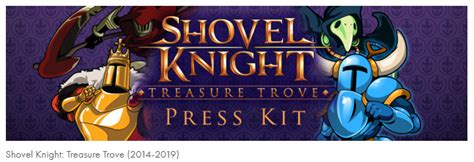
A disorganized or incomplete press kit is a common pitfall. Your press kit should be a one-stop shop for all essential information and assets. This includes a concise game description, a compelling trailer (less than 90 seconds is ideal), high-resolution screenshots and GIFs, concept art, a detailed fact sheet, and developer bios. Ensure all assets are easily downloadable and clearly labeled. A well-organized, professional press kit signals that you’re serious about your project and respect a journalist’s time.
Consider creating a dedicated press page on your website, easily accessible from your homepage, that hosts all this material. This shows professionalism and makes it incredibly easy for journalists to grab what they need without extensive back-and-forth emails.
3. Tell a Story Beyond the Gameplay
While gameplay is paramount, the human story behind your game can be just as captivating. What inspired your project? What challenges did you overcome during development? Is there a unique philosophy driving your studio? Journalists are storytellers, and a compelling narrative about the creators or the game’s journey can provide a rich angle for an ‘Indie Spotlight’. Share personal anecdotes, struggles, and triumphs that make your team and your game relatable and interesting.

4. Tailor Your Pitch and Research Your Targets
Sending generic, mass-produced emails is a quick way to get ignored. Research the publication and specific writers you’re pitching. Read their previous ‘Indie Spotlight’ articles. Does your game fit their typical coverage? Personalize your email, referencing specific articles they’ve written or aspects of their work that resonate with your project. Explain why your game would be a good fit for their audience and their editorial line. A concise, respectful, and highly personalized email stands a much better chance than a blanket approach.
5. Provide Easy Access and Clear Next Steps
Always include a direct link to a playable demo or a full review key in your initial outreach, if appropriate. Ensure the key works, and provide clear instructions on how to access and play the game. Don’t make the journalist jump through hoops. Also, clearly state what you’re asking for – an ‘Indie Spotlight’ feature, a review, an interview? And provide a clear call to action, whether it’s setting up a quick chat or simply hoping they enjoy the demo.
6. Follow Up Thoughtfully, Not Aggressively
Journalists are busy. A polite, brief follow-up email a week or so after your initial pitch is acceptable. Reiterate your interest and offer any additional information they might need. However, avoid multiple, aggressive follow-ups. If you don’t hear back after one follow-up, it might be time to respectfully move on or refine your approach for future endeavors.

The Enduring Impact of a Strong Submission
Ultimately, making your Indie Spotlight submission stand out comes down to preparation, professionalism, and passion. By focusing on your game’s unique appeal, presenting a flawless press kit, weaving a compelling narrative, personalizing your outreach, and respecting a journalist’s time, you significantly increase your chances of securing that coveted coverage. It’s a competitive landscape, but with a thoughtful and strategic approach, your game can indeed shine brighter.