



How can mod authors manage toxic community feedback effectively?

Creating modifications for games is a labor of love, a dedication of time and skill often shared freely with passionate communities. However, the very communities that celebrate these creations can sometimes become sources of intense, often toxic, negativity. Managing this feedback is not just about silencing dissent; it’s about protecting one’s creative spirit, maintaining motivation, and fostering a constructive environment for everyone.
Understanding the Dynamics of Toxic Feedback
Before an author can effectively manage toxic feedback, it’s crucial to understand its origins and forms. Online anonymity often emboldens individuals to express opinions they wouldn’t in person. Players can develop a sense of entitlement, expecting features or fixes without understanding development complexities. Intense passion for a game or mod can also manifest as aggressive criticism when expectations aren’t met.
Toxic feedback can range from baseless personal attacks and insults to overly demanding feature requests, accusations of incompetence, or relentless bug reporting without proper context. Recognizing these patterns helps mod authors avoid internalizing every negative comment.

Proactive Measures to Mitigate Negativity
Prevention is often the best defense. Mod authors can significantly reduce the likelihood of toxic interactions by setting clear expectations and establishing community norms from the outset.
Clearly Communicate Mod Scope and Limitations
Be explicit about what your mod does, what it doesn’t do, and what future plans (or lack thereof) exist. A well-written mod description, FAQ, and “read me” file can pre-empt many complaints. State clearly if a mod is “as-is” or if specific features are out of scope. Transparency helps manage user expectations and reduces feelings of disappointment that can fuel anger.
Establish and Enforce Community Guidelines
If your mod has a dedicated forum, Discord server, or comment section, publish clear rules of conduct. These guidelines should explicitly forbid personal attacks, harassment, and excessive negativity. Crucially, these rules must be consistently enforced. Inconsistent moderation can breed resentment and empower disruptive users.
Reactive Strategies for Handling Toxic Interactions
Despite proactive efforts, some toxic feedback is inevitable. The key is how you respond, or choose not to respond.
Pick Your Battles Wisely
Not every negative comment warrants a response. Engaging with purely malicious or nonsensical feedback often fuels the fire. Learn to identify constructive criticism disguised as harshness versus outright toxicity. Focus your energy on addressing valid points, even if poorly phrased, and ignore the noise.
Respond Professionally and Factually
When you do respond to criticism, maintain a professional, calm, and factual tone. Avoid emotional reactions, even if provoked. Correct misinformation clearly and concisely. For example, instead of “That’s a stupid complaint,” try “Thank you for your feedback; however, that feature is not technically feasible due to game engine limitations, as explained in the FAQ.”
Utilize Mute, Block, and Reporting Features
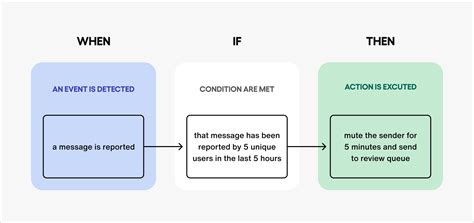
Most platforms offer tools to mute, block, or report problematic users. Don’t hesitate to use them. These are not admissions of defeat but essential tools for maintaining your mental well-being and the sanity of your community. For egregious violations, report users to platform administrators.
Empower and Leverage Community Moderators
If your mod community grows large, consider enlisting trusted, level-headed community members as moderators. They can help enforce rules, filter out toxicity, answer common questions, and free up your time to focus on mod development. Clearly define their roles and give them the necessary tools and authority.
Fostering a Positive Environment
Managing toxicity isn’t just about suppressing the bad; it’s also about amplifying the good. Actively cultivate a positive atmosphere.
Highlight Positive Contributions
Acknowledge and thank users who provide constructive feedback, offer help to others, or simply express appreciation. Publicly celebrating positive interactions can shift the community’s tone and encourage more constructive behavior.
Engage Constructively and Frequently
Regular, positive engagement from the mod author can set a friendly tone. Share updates, ask for feedback on specific features, and interact with appreciative users. This builds goodwill and strengthens the sense of community.
Prioritizing Your Mental Well-being
Ultimately, your well-being as a mod author is paramount. Toxic feedback can be draining and discouraging, leading to burnout. Remember that you are offering a free service and are not obligated to endure abuse.
Take breaks from community interaction, set boundaries for your time online, and remember why you started modding in the first place. Your passion and creativity are valuable, and protecting them is crucial for long-term enjoyment and productivity.

Conclusion
Managing toxic community feedback is an ongoing challenge for mod authors, but it’s one that can be navigated successfully with a combination of foresight, clear communication, strategic responses, and a strong focus on self-preservation. By understanding the nature of toxicity, implementing proactive measures, employing reactive strategies, and actively fostering a positive environment, mod authors can continue to enrich gaming experiences without sacrificing their own enjoyment and mental health.