How can mod communities effectively combat toxicity and boost positive player engagement?

Navigating the Digital Landscape: The Challenge of Toxicity
The vibrant world of mod communities thrives on creativity, collaboration, and shared passion. However, like any online space, it’s susceptible to toxicity, which can deter new members, exhaust moderators, and ultimately stifle the very innovation it seeks to foster. The core challenge for these communities is not just to police negative behavior, but to cultivate an environment where positive interaction naturally flourishes.
Laying the Foundation: Proactive Measures Against Toxicity
Effective combat against toxicity begins long before an incident occurs. Establishing clear expectations and tools for reporting is paramount.
1. Transparent & Enforceable Rulesets
A comprehensive and easily accessible code of conduct is the bedrock of any healthy community. Rules should be specific, addressing common issues like harassment, hate speech, spam, and disrespectful behavior. Crucially, these rules must be consistently enforced, ensuring fairness and demonstrating that the community takes its well-being seriously. Transparency regarding disciplinary actions (without revealing personal details) can also build trust.
2. Empowering Moderation Teams
Moderators are the frontline defense. They need adequate tools, training, and support. This includes clear guidelines for handling various types of infractions, access to reporting systems, and a support network among fellow moderators. Burnout is a significant risk, so rotating duties, encouraging breaks, and acknowledging their efforts are vital.
3. Advanced Moderation Tools
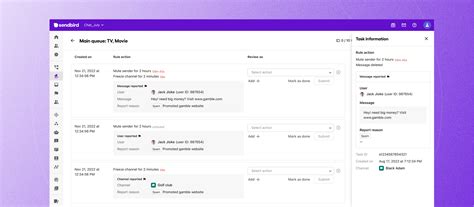
Leveraging technology can significantly aid human moderators. Automated filters for profanity, spam, and potentially offensive keywords can catch low-level infractions instantly. AI-powered tools can flag suspicious behavior patterns or content, allowing human moderators to focus on nuanced situations.
Responding to Incidents: Effective Reactive Strategies
Even with strong proactive measures, incidents will occur. How a community responds can either reinforce its values or inadvertently embolden toxic actors.
1. Swift & Consistent Enforcement
When an infraction is reported or detected, swift action is crucial. Delays can signal indifference and allow negative behavior to escalate. Consistency in applying rules ensures that members understand the consequences and feel that the system is fair. Escalation matrices (e.g., warning, temporary ban, permanent ban) should be well-defined.
2. Clear Reporting Mechanisms
Players must have easy-to-use and clearly visible ways to report toxic behavior. This could be in-game reporting, dedicated forum sections, or direct contact with moderators. Assurance that reports are reviewed seriously encourages players to contribute to community safety.
3. Conflict Resolution & Mediation
Not all conflicts require bans. Some situations can benefit from mediation or a cooling-off period. Skilled moderators can sometimes de-escalate minor disputes, educate participants on community standards, and guide them towards constructive resolution, fostering a sense of understanding rather than just punishment.
Cultivating a Positive Environment: Boosting Player Engagement
Combating toxicity is only half the battle; actively promoting positive engagement builds a resilient, thriving community.
1. Celebrating Positive Contributions
Publicly recognizing and rewarding constructive contributions, helpfulness, and creative efforts can set a positive tone. This could include featuring outstanding mods, highlighting helpful players, or organizing community spotlights. Positive reinforcement encourages more desirable behavior.
2. Organizing Engaging Events & Challenges
Regular community events, modding challenges, contests, and collaborative projects provide opportunities for positive interaction and shared goals. These activities not only foster camaraderie but also distract from potential negativity by focusing energy on constructive pursuits.
3. Open Communication Channels
Maintain open lines of communication between moderators, developers (if applicable), and the player base. Regular Q&A sessions, suggestion boxes, and feedback forums make players feel heard and valued. This transparency can prevent minor frustrations from escalating into full-blown toxic outbursts.
4. Mentorship Programs
Establishing mentorship programs where experienced players or modders guide newcomers can greatly improve onboarding and reduce early frustrations. This builds personal connections and reinforces a helpful, welcoming culture.
The Ongoing Journey Towards a Healthier Community
Effectively combating toxicity and boosting positive engagement is not a one-time fix but an ongoing commitment. It requires vigilance, adaptability, and a genuine desire to foster a welcoming space. By combining clear rules, empowered moderation, swift action, and a relentless focus on celebrating and facilitating positive interactions, mod communities can transform into truly exceptional hubs of creativity and camaraderie. The ultimate goal is to create an environment where the passion for modding and gaming can flourish, unhindered by negativity, allowing everyone to contribute to and enjoy the shared experience.