How can modders effectively manage community feedback to improve game mods & prevent burnout?
The Dual-Edged Sword of Community Feedback
Community feedback is the lifeblood of successful game modding. It provides invaluable insights, helps identify bugs, suggests innovative features, and ultimately shapes a mod into something truly beloved by players. However, the sheer volume, conflicting opinions, and occasional negativity inherent in community interactions can quickly become overwhelming, leading to stress and, ultimately, burnout for dedicated modders.
The challenge lies in harnessing the power of feedback effectively without letting it consume your passion and time. This guide will outline actionable strategies to manage community input, improve your mods, and safeguard your well-being in the process.
Strategies for Efficient Feedback Collection & Prioritization
Centralize Feedback Channels
Scattered feedback across multiple platforms (Reddit, Discord, forums, YouTube comments, DMs) is a recipe for disaster. Establish one or two primary channels where you actively solicit and review feedback. This could be a dedicated Discord server with specific channels for bug reports and suggestions, a GitHub Issues page, or a thread on a popular modding forum. Clearly communicate these preferred channels to your community.
Define Your Mod’s Vision & Scope
Before diving into feedback, clearly define what your mod aims to achieve. What is its core concept? What features are essential? What is intentionally out of scope? This vision acts as a crucial filter. Not every idea, no matter how popular, will align with your mod’s direction. Having a clear vision empowers you to respectfully decline suggestions that don’t fit, explaining why.
Implement a Triage System
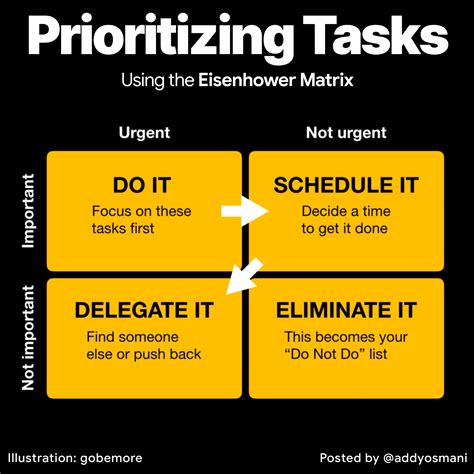
Once feedback is collected, it needs to be processed. Implement a system to categorize and prioritize. Common categories include:
- Bugs/Glitches: High priority, especially critical ones.
- Feature Requests: Prioritize based on alignment with vision, feasibility, and community demand (e.g., using reaction polls or upvotes).
- Balance/QoL: Quality of life improvements and balance tweaks.
- Aesthetic/Flavor: Lower priority, often subjective.
Tools like Discord reactions, Trello boards, or GitHub labels can help visualize and manage these categories.
Communicating Effectively with Your Community
Set Clear Expectations
Proactively communicate how you handle feedback. Let your community know your availability, response times, and the process for implementing suggestions. Regularly update them on development progress, even if it’s just a “no new updates this week” message. Transparency reduces frustration and managing expectations is key to a healthy relationship.
Practice Active Listening & Empathy
Even if you can’t implement every suggestion, acknowledge and thank users for their input. A simple “Thanks for the suggestion! I’ll consider it for future updates” or “I understand your frustration with X, and I’m looking into potential solutions” goes a long way. Showing that you’ve heard and understood their points fosters goodwill, even when the answer is ‘no’.
When to Say “No” (Respectfully)
Learning to decline requests politely but firmly is vital. Explain your reasoning briefly – perhaps it’s outside the mod’s scope, technically infeasible, or would destabilize other features. Most rational community members will appreciate the honest explanation rather than vague promises or silence.
Protecting Yourself: Burnout Prevention for Modders
Set Boundaries & Schedule Dedicated Time
Modding is often a hobby, but it can quickly feel like a demanding second job. Avoid the trap of feeling obligated to be constantly available. Dedicate specific blocks of time for modding and feedback review, and stick to them. Don’t check Discord or forums every five minutes. Your personal time is sacred.

Learn to Delegate or Collaborate
If your mod grows large or complex, consider inviting trusted community members to help. This could involve managing feedback channels, testing, or even contributing code/assets. Even small delegations can significantly lighten your load and foster a stronger community bond.
Celebrate Small Victories & Take Breaks
It’s easy to get lost in the endless cycle of bug fixes and feature requests. Take time to appreciate the positive feedback, the successful implementation of a new feature, or simply the fact that people are enjoying your creation. Regular breaks, stepping away from the screen, and engaging in other hobbies are crucial for mental refreshment and sustaining your long-term passion for modding.

Conclusion
Managing community feedback effectively is a delicate balance. By implementing structured feedback channels, prioritizing based on a clear vision, communicating transparently, and setting personal boundaries, modders can transform community input into a powerful tool for improvement. Remember, your passion and well-being are paramount. A sustainable modding journey is one where both the mod and the modder thrive, creating enjoyable experiences for everyone involved.