How can moderators effectively combat toxicity in modding communities?

The Challenge of Toxicity in Modding Ecosystems
Modding communities are vibrant hubs of creativity, innovation, and shared passion, bringing together individuals to enhance their favorite games. However, like any online space, they are susceptible to toxicity – behaviors ranging from mild trolling and gatekeeping to harassment and personal attacks. When left unchecked, this can erode trust, drive away contributors, and ultimately stifle the very creativity that defines these communities. Effective moderation is not just about enforcing rules; it’s about cultivating an environment where everyone feels safe, respected, and encouraged to participate constructively.
Understanding Toxicity in Modding Communities
Toxicity manifests in various forms within modding communities. It can be:
- Gatekeeping: Dismissing new users or ideas, asserting superiority based on experience.
- Harassment/Bullying: Direct attacks, insults, or repeated negative targeting of individuals or groups.
- Flamewars/Drama: Escalated arguments, often personal, that derail productive discussion.
- Discrimination: Prejudiced comments or actions based on race, gender, sexuality, or other personal attributes.
- Unconstructive Criticism: Feedback that is purely negative without offering solutions or actionable advice.
Identifying these behaviors early and understanding their impact is the first step towards mitigation. Moderators must be vigilant and empathetic, recognizing that even subtle forms of toxicity can contribute to a hostile atmosphere over time.
Proactive Measures: Laying the Foundation for a Healthy Community
The most effective way to combat toxicity is to prevent it from taking root. Proactive strategies set clear expectations and empower community members to contribute positively.
1. Clear, Accessible Guidelines
Establish a comprehensive set of community rules that are easy to understand and readily available. These guidelines should clearly define what constitutes acceptable and unacceptable behavior, including specific examples where possible. Ensure they cover:
- Respectful communication standards.
- Prohibitions against harassment, hate speech, and discrimination.
- Guidelines for giving and receiving feedback.
- Rules regarding self-promotion or content sharing.
2. Transparent Communication
Communicate openly about moderation actions, without revealing personal details. Explain why certain behaviors are not tolerated and how moderation helps maintain a healthy community. Regularly solicit feedback on the rules and moderation process from the community itself to foster a sense of shared ownership.
3. Leading by Example
Moderators are the public face of community standards. Uphold the rules rigorously and consistently in your own interactions. Your conduct sets the tone; a calm, respectful, and fair approach from moderators encourages similar behavior from others.

Reactive Strategies: Addressing Issues Head-On
Even with strong proactive measures, toxicity will inevitably occur. How moderators react to incidents is crucial.
1. Consistent and Fair Enforcement
Apply rules consistently to all members, regardless of their standing or contributions. Inconsistency breeds resentment and undermines trust. When an incident occurs:
- Act swiftly: Timeliness can prevent escalation.
- Document everything: Keep records of incidents, actions taken, and communications.
- Provide clear rationale: When issuing warnings or bans, explain which rule was broken and why the action was taken.
- Use a graduated response: Start with warnings for minor infractions, escalating to temporary bans, and permanent bans for severe or repeated offenses.
2. De-escalation and Conflict Resolution
Instead of simply punishing, moderators can often de-escalate situations. This involves:
- Private communication: Address issues privately when possible to avoid public shaming and further drama.
- Active listening: Understand all sides of an argument before making a judgment.
- Facilitating dialogue: Help disputing parties communicate constructively if appropriate, focusing on solutions rather than blame.
- Maintaining neutrality: Avoid taking sides, focusing instead on adherence to community guidelines.
3. Utilizing Moderation Tools and Features
Leverage platform-specific tools like user reporting systems, content filters, keyword blacklists, and automated moderation bots. These tools can help identify problematic content quickly and reduce the manual burden on moderators, allowing them to focus on more complex cases.
Fostering a Positive Community Culture
Combating toxicity isn’t just about punishment; it’s also about nurturing positive interactions and celebrating the good.
1. Recognizing and Rewarding Good Behavior
Actively acknowledge and celebrate positive contributions and respectful interactions. This could be through:
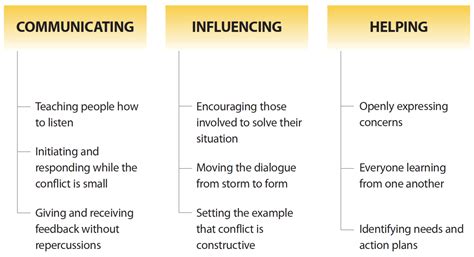
- Public shout-outs for helpful members.
- “Community Contributor” or “Helper” roles.
- Highlighting high-quality, constructive discussions.
Positive reinforcement encourages more of the desired behavior.
2. Encouraging Constructive Feedback
Guide users on how to give and receive feedback in a productive manner. Promote discussions that focus on improving mods, concepts, or skills rather than personal attacks or dismissive comments.
3. Empowering Community Members
Encourage users to report problematic behavior and to gently remind others of the rules when appropriate. Empowering members to take ownership of their community’s health can significantly lighten the moderation load and foster a collective sense of responsibility.

Moderator Well-being and Support
Moderating can be emotionally taxing. Supporting moderators is vital for their effectiveness and retention.
1. Preventing Burnout
Encourage moderators to take breaks, set boundaries, and avoid overextending themselves. A burnt-out moderator is less effective and more prone to mistakes or emotional responses.
2. Teamwork and Peer Support
Foster a supportive moderator team where members can share experiences, discuss difficult cases, and provide emotional support. Regular meetings and clear internal communication channels are essential.

Conclusion
Effectively combating toxicity in modding communities requires a multi-faceted approach: clear rules, consistent enforcement, proactive culture building, and robust moderator support. By implementing these strategies, moderators can transform potentially hostile environments into thriving, collaborative spaces where creativity flourishes, and every member feels valued. The goal is not just to suppress negativity, but to actively cultivate a positive and welcoming atmosphere that embodies the best spirit of modding.