How can my competitive team effectively communicate mid-game to win more?
The Cornerstone of Victory: Effective Mid-Game Communication
In the high-stakes world of competitive esports, individual skill is only one piece of the puzzle. The true differentiator between good teams and great teams often lies in their ability to communicate effectively, especially during the dynamic and often chaotic mid-game phase. Seamless, concise, and strategic communication empowers teams to adapt to evolving situations, make split-second decisions, and execute complex plays with precision, turning potential losses into hard-fought wins.
Establishing Clear Roles and Protocols
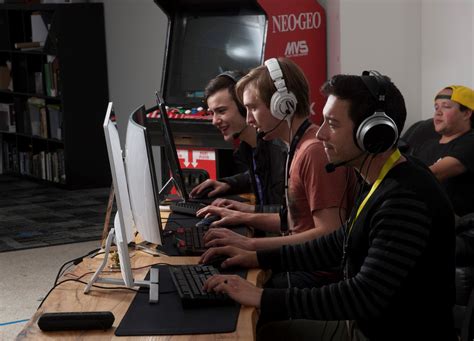
One of the first steps to improving mid-game communication is to define roles within the team. While everyone should contribute information, having a designated shot-caller is paramount. This individual is responsible for making macro-level decisions, directing rotations, initiating engages, or calling for retreats. Other players then feed critical micro-level information to the shot-caller and the rest of the team.
- Shot-Caller: Focuses on macro strategy, objectives, and overall team movements.
- Information Gatherers: Call out enemy positions, cooldowns, ultimate statuses, item timings, and important environmental cues.
- Support Players: Often track enemy resources and potential threats.
Clarity, Conciseness, and Timeliness
Mid-game is a high-pressure environment where every second counts. Communication must be clear, concise, and delivered promptly. Avoid unnecessary chatter or personal commentary. Focus on delivering actionable information quickly.
Instead of “They’re over there somewhere!”, say “Enemy ADC top brush, no flash.”

Key Communication Elements:
- Target Calls: Clearly identify primary targets during team fights (“Focus their carry!”).
- Ability Tracking: Announce enemy ultimate cooldowns, summoner spells, or key abilities that have been used.
- Positioning: Inform teammates of your intended movements or call out dangerous enemy positions.
- Resource Management: Report your mana, health, or critical cooldowns.
- Intent: State your plan clearly (“I’m going for the flank,” “I’m rotating mid”).
Active Listening and Acknowledgment
Communication is a two-way street. Players must not only speak effectively but also actively listen to their teammates. Acknowledge important calls, even if it’s just a quick “understood” or “copy.” This confirms the information has been received and processed, preventing confusion or missed opportunities. Avoid interrupting the shot-caller or vital call-outs.

Adapting to the Flow: Dynamic Shot-Calling
Competitive games are rarely static. The ability to adapt communication to the changing game state is vital. This means the shot-caller needs to process incoming information rapidly and adjust strategies on the fly. Teammates must be prepared to respond quickly to new directives.
Sometimes, a pre-planned strategy might fail, or an unexpected opportunity might arise. Effective communication allows for quick pivots, ensuring the team can capitalize on openings or mitigate damage from sudden threats.
Emotional Regulation and Constructive Feedback
Pressure can lead to frustration, but negative or emotional communication can be highly detrimental. Maintain a calm and focused tone, even when things go wrong. If mistakes happen, address them constructively during a post-game review, not in the heat of the moment. Mid-game communication should always be forward-looking and problem-solving focused.
Practice Makes Perfect: Drills and Review
Effective communication isn’t innate; it’s a skill that must be honed. Dedicate practice sessions specifically to communication drills. Focus on making calls without looking at the minimap, or practicing quick target acquisition calls. Record your gameplay and review your team’s communication after each match. Identify areas where calls were missed, unclear, or too late. What information was critical but not shared? How could it have been communicated better?

Conclusion
Mastering mid-game communication transforms a group of skilled individuals into a cohesive, winning unit. By establishing clear roles, prioritizing clarity and conciseness, actively listening, adapting dynamically, and maintaining a professional tone, your competitive team can significantly enhance its performance and secure more victories. Treat communication as a core mechanic of the game, practice it diligently, and watch your team’s synergy—and win rate—soar.