How can our gaming reviews highlight niche appeal & address specific player frustrations?
Beyond the Hype: Crafting Reviews for Specific Audiences
In a saturated gaming market, generic reviews often fail to resonate with the diverse and passionate player base. For games with a strong niche appeal, a standard evaluation simply won’t cut it. To truly serve our audience, our reviews must evolve, zeroing in on what makes these games unique and directly addressing the pain points that can make or break a player’s experience.
The goal isn’t just to tell people if a game is ‘good’ or ‘bad,’ but to inform a specific segment of gamers if it’s ‘good for them,’ given their unique preferences and tolerances. This requires a more nuanced approach, moving past surface-level critiques to provide deep, actionable insights.

Unpacking Niche Appeal: The Core of Specificity
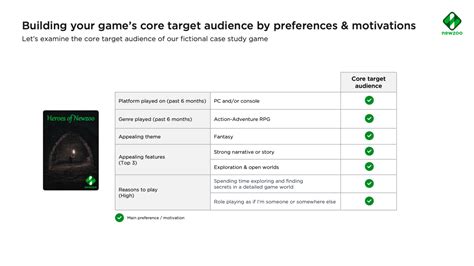
Defining a game’s niche appeal starts with understanding its target demographic and the core mechanics or themes that set it apart. Is it an ultra-hard roguelike for masochists? A cozy farming sim for relaxation enthusiasts? A hyper-realistic flight simulator for hardware fanatics? Identifying these unique selling propositions (USPs) is paramount. Our reviews should articulate these USPs clearly, explaining who the game is for and why they might love it, even if it’s not universally appealing.
This involves looking beyond graphics and narrative to deeply explore gameplay loops, system depth, artistic vision, and community engagement. We should highlight the granular details that matter most to a niche audience – perhaps the intricate crafting system, the historical accuracy, or the unique social dynamics – rather than just broadly discussing performance or story.

Directly Confronting Player Frustrations
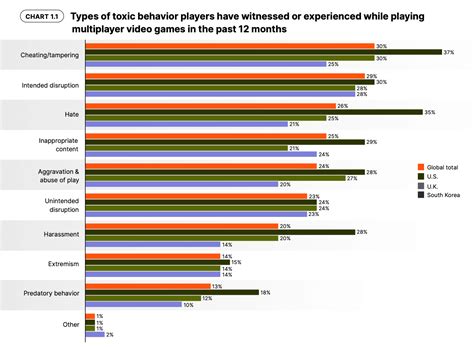
Just as important as highlighting appeal is transparently addressing potential frustrations. Every game has its flaws, but for a niche audience, certain issues can be deal-breakers. These might include:
- Accessibility Barriers: Is the UI unintuitive for newcomers? Are there limited options for colorblind players?
- Monetization Practices: Are microtransactions predatory or merely cosmetic? Is there a pay-to-win element?
- Technical Issues: Persistent bugs, poor optimization, or server instability can cripple a niche experience.
- Repetitive Gameplay: Does the core loop wear thin quickly, or does it offer sustained engagement for its intended audience?
- Lack of Content: Is there enough to do, or does the game feel hollow after a few hours?
Our reviews must dive deep into these potential pain points, providing context and an honest evaluation of their impact. Instead of simply stating “the controls are clunky,” we should explain why they feel clunky, who it will frustrate, and if there are workarounds or patches planned. This level of detail empowers players to make informed decisions.
Strategies for More Impactful Niche Reviews
To achieve this depth, consider these strategies:
- Know Your Audience: Understand the communities surrounding similar niche titles. What do they value? What do they complain about?
- Extended Playtesting: Spend significant time with the game, especially its late-game content and systems. Niche games often reveal their true depth (or lack thereof) after many hours.
- Focus on Systems and Mechanics: Dedicate substantial sections to explaining and evaluating complex systems rather than just summarizing them.
- Compare and Contrast: Place the game within its genre or sub-genre, comparing its innovations and shortcomings to relevant predecessors or competitors.
- Community Feedback Integration: While our reviews are independent, acknowledging common community discussions or concerns can add valuable perspective.
By adopting these methods, our reviews become less about broad declarations and more about detailed, targeted guidance.

The Value of Tailored Critique
Ultimately, by focusing on niche appeal and directly confronting specific player frustrations, our gaming reviews transcend mere opinion pieces to become invaluable resources. We equip players with the precise information they need to determine if a game truly aligns with their unique tastes and expectations. This not only builds trust with our readership but also helps niche developers connect with their most dedicated fans, fostering a healthier and more informed gaming ecosystem.