How can our gaming reviews provide actionable buying advice beyond just a score?
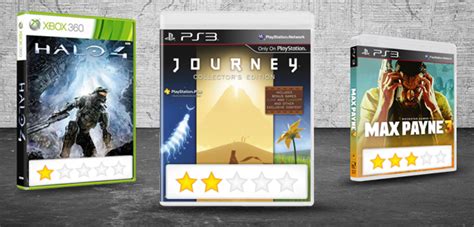
Building effective gaming reviews means transcending the simple numerical score. While a 7/10 or 9/10 provides a quick snapshot, it often leaves gamers with more questions than answers. True value comes from providing actionable advice – insights that help a potential buyer understand if a game is right for *them*, given their specific preferences, budget, and time.

The Limitations of a Single Score
A solitary score, whether a percentage, star rating, or out-of-ten, is inherently reductive. It averages out a multitude of complex factors – narrative, graphics, gameplay, sound design, performance, innovation – into a single, often subjective, digit. This approach fails to convey nuances crucial for a purchasing decision. A game might score highly overall but be plagued by a genre-specific flaw that would be a deal-breaker for a particular player. Conversely, a lower-scoring game might excel in one specific area that profoundly appeals to a niche audience.
Our goal should be to unpack the ‘why’ behind the score, translating the reviewer’s experience into practical guidance. This requires a systematic approach to breaking down game elements and contextualizing them for different player types.
Dissecting the Core Experience: Granular Breakdown
To offer actionable advice, reviews must delve deeply into individual components, not just present a holistic feeling. Each key element should be evaluated and described in detail, explaining its strengths, weaknesses, and overall impact on the game experience. This includes:
- Gameplay Mechanics: How do controls feel? Is combat satisfying? Are puzzles engaging? How intuitive are the systems?
- Narrative and World-Building: Is the story compelling? Are characters memorable? Does the world feel alive and consistent?
- Visuals and Art Direction: Beyond raw fidelity, does the art style enhance the game? Are environments diverse?
- Audio Design: How do sound effects contribute to immersion? Is the soundtrack memorable? Is voice acting strong?
- Performance and Technical Aspects: Frame rates, stability, bugs, load times, optimization across platforms.
- Innovation & Replayability: Does the game bring new ideas? Is there content to keep players engaged long-term?
Who Is This Game For? Tailoring Advice to Player Archetypes
One of the most powerful ways to provide actionable advice is to articulate which player segments a game will resonate with, and which might be disappointed. Instead of a blanket recommendation, reviews should consider various player archetypes:
- The Story Seeker: Will this game satisfy someone looking for a deep narrative and strong character development?
- The Competitive Player: Does it offer robust multiplayer, balanced mechanics, and a thriving community?
- The Casual Gamer: Is it accessible, easy to pick up, and forgiving? Or does it demand a significant time investment?
- The Hardcore Enthusiast: Does it offer challenge, depth, and intricate systems for those who enjoy mastery?
- The Explorer/Creator: Is there a vast world to explore, or tools to express creativity?
- The Budget-Conscious Buyer: Does the price point reflect the content and potential hours of entertainment?
By framing conclusions around these archetypes, reviews can guide readers directly to whether the game aligns with their personal gaming habits and desires. For example, stating, “If you’re a story-driven player who values character development over combat depth, this game’s rich narrative will likely outweigh its repetitive encounters,” is far more useful than a generic rating.

The “Should You Buy It?” Decision Tree
Ultimately, gamers want to know if they should part with their hard-earned cash. Reviews can facilitate this decision by providing a clear, structured recommendation. This isn’t just a verdict; it’s a mini-guide.
- Pros and Cons: A concise bulleted list of the game’s undeniable strengths and weaknesses.
- Compare to Other Titles: “If you liked X, you’ll probably like Y for Z reason, but beware of A.” This contextualizes the game within the broader market.
- Specific Scenarios: “Buy this if you crave X,” or “Wait for a sale if Y is important to you,” or “Avoid if Z is a deal-breaker.”
- Value Proposition: Is it worth the full price? Should you wait for patches or DLC?
Considering Value: Longevity and Post-Launch Content
In today’s evolving game landscape, a launch review is just one piece of the puzzle. Actionable advice also considers the long-term value of a game. Will it receive significant post-launch support? Are there plans for DLC, expansions, or community events? How robust is the multiplayer community? Does the game offer significant replay value or modding potential?
Understanding the potential for a game to grow and evolve over time helps players decide if their investment will continue to pay off months or even years down the line. Reviews can speculate on this potential based on developer track records, communication, and initial content offerings.

Crafting Actionable Verdicts and Recommendations
The conclusion of an actionable review should tie everything together into clear, digestible recommendations. This isn’t just about reiterating points; it’s about summarizing the specific conditions under which a player should consider a purchase. Avoid ambiguity. Use direct language. For instance, instead of saying “The game has its flaws but is enjoyable,” opt for “While its combat can be repetitive for genre veterans, players seeking a captivating narrative and stunning visuals will find this a worthwhile journey.”
By moving beyond the simple number and adopting a framework that dissects, contextualizes, and recommends based on detailed analysis and player archetypes, our gaming reviews can become indispensable tools for gamers navigating an ever-growing market. They empower players to make informed decisions that truly align with their individual gaming desires, turning a passive read into active, confident purchasing advice.