How can our Indie Spotlight articles convert reader interest into more game wishlists?

Indie game development is a labor of love, and getting noticed in a crowded marketplace is one of the biggest challenges. For independent developers, wishlists are more than just numbers; they are a critical metric signaling potential sales, boosting visibility on platforms like Steam, and providing valuable data for launch day. Our “Indie Spotlight” articles are perfectly positioned to be the bridge between a reader’s casual interest and a concrete commitment in the form of a wishlist. The question is: how can we optimize these features to maximize that conversion?
Crafting Compelling Narratives That Resonate
At the heart of every great indie game is a story – not just within the game itself, but often the journey of its creation. Our spotlight articles should delve beyond mere mechanics and graphics. We need to tell the developer’s story, highlight their passion, the unique challenges they overcame, or the innovative vision driving their project. Readers connect with authenticity. Share anecdotes about the game’s inspiration, the “aha!” moments, or even the humorous mishaps during development. This personal touch builds an emotional connection, making readers more invested in the game’s success.
Showcasing Gameplay and Visuals with Impact
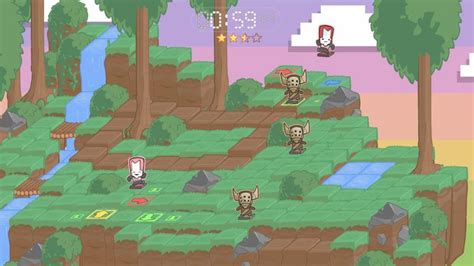
While narrative draws readers in, compelling visuals and gameplay descriptions seal the deal. Our articles must vividly describe what playing the game feels like. Instead of generic praise, use evocative language to detail unique mechanics, the distinctive art style, and the atmosphere the game cultivates. If possible, imagine providing “gif-worthy” descriptions that help readers visualize the action, even without direct media embeds. Discuss key features, innovative solutions, and replayability. This vivid portrayal ensures the game’s essence is clearly communicated, piquing curiosity and desire.

Implementing Clear, Irresistible Calls to Action
Perhaps the most critical element for wishlist conversion is the call to action (CTA). It’s not enough to hope readers will seek out the game; we must guide them directly. CTAs should be prominent, clearly worded, and strategically placed throughout the article, not just at the end. Use phrases like “Wishlist Now on Steam!”, “Add to Your Wishlist!”, or “Don’t Miss Out: Wishlist This Gem!” Consider embedding a direct link or even a wishlist widget if the platform allows it. Make it frictionless. A strong CTA removes any barrier between interest and action.
Fostering Engagement Beyond the Page
An article’s job doesn’t end when the reader finishes reading. We should leverage the spotlight to encourage continued engagement. This could mean promoting the developer’s social media channels, linking to their Discord server, or encouraging readers to sign up for their newsletter. Offering exclusive snippets, interviews, or behind-the-scenes content that only “spotlight” readers are privy to can further deepen their investment. A reader who feels part of a budding community is far more likely to wishlist and evangelize the game.

Optimizing for Discoverability and Longevity
Finally, to ensure our Indie Spotlight articles have maximum impact, they need to be discoverable. Employ strong SEO practices within the article content and metadata. Use relevant keywords related to the game’s genre, unique features, and target audience. Encourage sharing by integrating social share buttons. Promote these articles across our own platforms and work with developers to cross-promote. A well-optimized article can continue to drive wishlists long after its initial publication, acting as a perpetual marketing tool for the featured game.
By consciously integrating these strategies—from heartfelt storytelling and vivid descriptions to prominent CTAs and extended engagement—our Indie Spotlight articles can become powerful engines for wishlist generation, directly contributing to the success of the independent games we champion.