How do amateur players find sponsors for their esports team?
The Quest for Funding: Why Sponsorship Matters for Amateur Esports
For aspiring esports teams, the dream of competing professionally often hinges on one crucial element: funding. Amateur teams face significant hurdles, from covering tournament entry fees and travel costs to acquiring high-performance equipment and even a dedicated coaching staff. This is where sponsorship becomes a game-changer. Securing a sponsor not only provides vital financial or material support but also lends credibility, opens doors to better opportunities, and allows players to focus more on honing their skills rather than worrying about operational expenses. But how exactly do amateur players, often without a massive following or a string of major victories, go about attracting the attention of potential sponsors?
Understanding What Sponsors Look For
Before you even begin drafting a proposal, it’s essential to put yourself in the shoes of a potential sponsor. Companies aren’t looking to simply donate money; they seek a return on their investment. This return can manifest in various ways, including brand exposure, increased sales, positive brand association, market research opportunities, or even talent acquisition. Therefore, your primary goal is to demonstrate how partnering with your team will help the sponsor achieve their business objectives.
Target Audience Alignment
One of the most critical factors is audience alignment. A gaming peripheral company will be interested in reaching gamers, while a local cafe might target community engagement. Research potential sponsors to understand their market, values, and marketing goals. This insight will allow you to tailor your pitch effectively.
Building Your Team’s Appeal and Professionalism
No sponsor will invest in a team that appears disorganized or unprofessional. Building a strong foundation is paramount. This isn’t just about winning games; it’s about presenting a cohesive, reliable, and appealing brand.
Develop a Strong Team Brand
- Team Name & Logo: Choose something memorable, professional, and unique.
- Social Media Presence: Establish active profiles on platforms relevant to your game (e.g., Twitter, Instagram, Twitch, YouTube). Consistent posting, engaging with your community, and sharing highlights are crucial.
- Website/Team Sheet: A dedicated online presence, even a simple one, can serve as a central hub for information about your team, its achievements, and its mission.
Show Consistent Performance and Dedication
While major tournament wins are great, consistency in local leagues, online tournaments, and even scrims shows dedication and potential. Document your progress, celebrate small victories, and highlight the commitment of your players. Sponsors are looking for long-term partners, not one-hit wonders.
Grow Your Audience and Engagement
Sponsors want exposure. The larger and more engaged your audience is, the more value you can offer. Encourage players to stream, create content, and interact with viewers. Quantify your reach (follower counts, average viewers, engagement rates) as this data will be vital in your proposal.
Crafting a Compelling Sponsorship Proposal
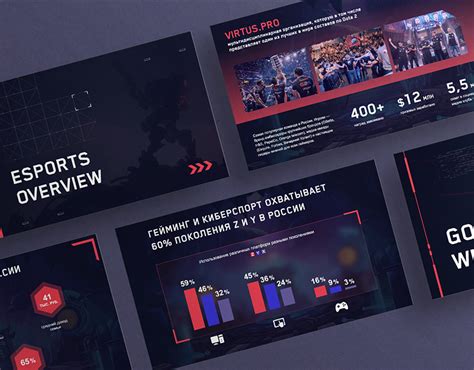
Your sponsorship proposal is your team’s business card and pitch deck combined. It needs to be clear, concise, professional, and persuasive.
Key Components of a Proposal:
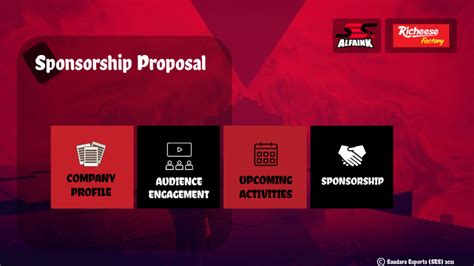
- Executive Summary: A brief overview of your team and what you’re seeking.
- Team Introduction: Who you are, your history, mission, and values. Introduce key players.
- Achievements & Statistics: Highlight your best tournament placements, individual player rankings, and any relevant metrics (e.g., number of matches played, win rate).
- Audience Demographics: Provide data on your social media followers, stream viewers, and website visitors. This helps sponsors understand who they’ll be reaching.
- Sponsorship Tiers & Benefits: Clearly outline different levels of sponsorship (e.g., Bronze, Silver, Gold) and what each tier offers in return. This could include logo placement, social media shout-outs, product reviews, exclusive content, or player appearances.
- Call to Action: Clearly state what you are asking for and provide contact information.
- Appendix: Include high-resolution logos, player photos, or links to highlight reels.
Tailor Each Proposal: Generic proposals rarely work. Research each potential sponsor thoroughly and customize your proposal to specifically address how your team can help them achieve their specific marketing goals.
Where to Look for Potential Sponsors
The search for sponsors can be daunting, but knowing where to look can streamline the process.
Local Businesses
Don’t overlook your local community. Computer shops, restaurants, cafes, car dealerships, or even local tech companies often look for ways to engage with the local youth demographic. A local sponsorship might start smaller but can grow with your team.
Gaming & Tech Industry
This is an obvious fit. Companies producing gaming peripherals (headsets, keyboards, mice), hardware (PCs, monitors), energy drinks, snacks, apparel, or even streaming software are constantly looking for authentic ways to connect with gamers.
Niche Brands
Think outside the box. Is there a specific brand of clothing your players wear? A particular food they love? If a brand aligns with your team’s authentic lifestyle, it could be a good fit.

Outreach and Relationship Management
Once you have your proposal, the next step is to get it into the right hands.
Initial Contact
Prioritize warm introductions if possible. Leverage networking events, industry connections, or even mutual friends. If cold emailing, make your subject line compelling and your initial email brief, professional, and to the point, clearly stating your purpose and attaching your tailored proposal.
Follow-Up
Don’t be afraid to follow up politely after a reasonable amount of time (e.g., one week). Persistence, without being overly aggressive, shows your dedication.
Delivering on Promises
Once you secure a sponsor, fulfilling your end of the agreement is paramount. This includes wearing their gear, promoting their brand on social media, integrating their products into your streams, and providing regular updates on your performance.
Reporting and Demonstrating ROI
Regularly provide sponsors with reports detailing the exposure they’ve received (e.g., social media impressions, stream viewership data, tournament placements). This demonstrates the value of their investment and builds trust for future collaborations.
Conclusion
Finding sponsors as an amateur esports team is a challenging but achievable goal. It requires more than just skilled gameplay; it demands professionalism, strategic thinking, compelling self-promotion, and diligent relationship management. By understanding what sponsors truly seek, building a strong and appealing team brand, crafting persuasive proposals, and maintaining excellent communication, amateur players can unlock the crucial support needed to elevate their esports journey from a passionate hobby to a promising career.