




How do community moderators best tackle toxicity & ensure fair rule enforcement?

In the vibrant, fast-paced world of online communities, moderators stand as the crucial guardians of a positive and productive environment. However, this role comes with the constant challenge of battling toxicity and ensuring that rules are applied fairly and consistently. Achieving this delicate balance requires more than just reactive measures; it demands a strategic, empathetic, and transparent approach.
Understanding the Landscape of Online Toxicity
Before effective solutions can be deployed, it’s essential to understand the multifaceted nature of online toxicity. This can manifest in various forms: personal attacks, harassment, spam, misinformation, hate speech, and even subtle forms of negativity that erode community morale. Its roots often lie in anonymity, differing perspectives, and the rapid spread of emotions online. Recognizing these forms and their underlying causes helps moderators develop more targeted interventions.
Building a Foundation: Proactive Strategies
The best defense against toxicity is a strong offense that builds a healthy community culture from the ground up.
Clear Rules and Guidelines
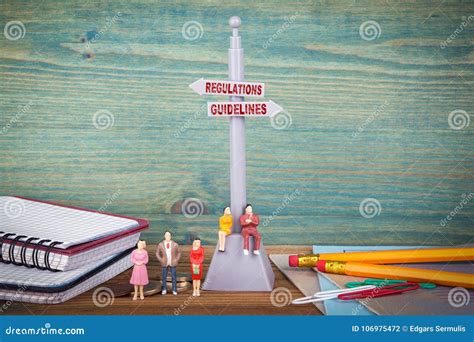
Ambiguity is the enemy of fair enforcement. Communities need comprehensive, easy-to-understand rules that clearly define acceptable and unacceptable behavior. These guidelines should be readily accessible, explained simply, and cover common scenarios. Regular communication about these rules, especially to new members, reinforces their importance.
Fostering Positive Engagement
Actively encouraging constructive interactions, celebrating positive contributions, and creating spaces for genuine connection can drown out negativity. Moderators can lead by example, promoting empathy, respect, and open-mindedness. This involves not just punishing bad behavior, but actively rewarding good behavior.
Decisive Action: Tackling Toxicity Reactively
Despite proactive measures, toxicity will inevitably arise. When it does, swift and appropriate action is critical.
Identifying and Addressing Toxic Behavior
Moderators need efficient tools and processes for reporting and identifying problematic content. This includes user reports, automated filtering, and active observation. Once identified, the response should be measured: de-escalation attempts for minor infractions, direct warnings, temporary mutes/bans for repeat offenders, and permanent bans for severe violations like hate speech or harassment.

Implementing Moderation Tools and Actions
Utilize the full suite of moderation tools available, from content deletion and thread locking to user warnings, timeouts, and bans. The choice of action should align with the severity of the offense and the community’s established rule structure. The goal is to correct behavior and protect the community, not merely to punish.

The Cornerstone: Ensuring Fair Rule Enforcement
Fairness is paramount for maintaining community trust and legitimacy. Without it, even well-intentioned moderation can breed resentment.
Consistency is Key
Rules must be applied equally to all members, regardless of their status, popularity, or personal relationship with moderators. Inconsistent enforcement breeds perception of bias and favoritism, undermining the entire moderation system. Documenting moderation decisions can aid in maintaining consistency across the moderation team.
Transparency and Communication
While not every moderation action requires a public explanation, the overall approach to rule enforcement should be transparent. This includes clearly stating rules, explaining the general process for handling violations, and, where appropriate, providing concise reasons for individual moderation actions. A dedicated channel for rule clarifications or appeals can foster trust.
Handling Appeals and Feedback
Mistakes can happen, and users deserve a fair chance to appeal decisions they believe are unjust. A structured appeal process demonstrates accountability and provides valuable feedback to the moderation team. Engaging with community feedback on rules and enforcement helps ensure they remain relevant and accepted.
Sustaining the Effort: Moderator Well-being
Moderating can be emotionally draining. Supporting moderators is crucial for long-term effectiveness. Providing resources, fostering a supportive mod team environment, and encouraging self-care helps prevent burnout and ensures moderators can continue to perform their vital role effectively and empathetically.
Conclusion: The Reward of a Healthy Community
Tackling toxicity and ensuring fair rule enforcement is an ongoing, evolving challenge that demands dedication and adaptability. By combining proactive community building with decisive, consistent, and transparent reactive measures, moderators can cultivate online spaces where members feel safe, respected, and empowered to engage constructively. The reward for this tireless effort is a thriving, vibrant community that benefits everyone involved.