How do community moderators handle toxic feedback stemming from game mod issues?
Navigating the Minefield of Mod-Related Toxicity
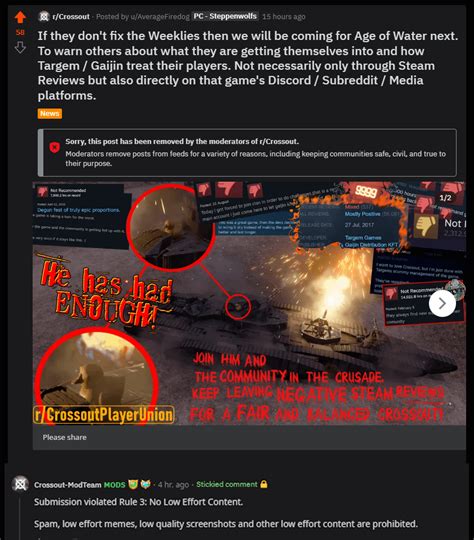
Game modifications, or mods, enhance countless gaming experiences, offering new content, improved mechanics, and extended gameplay. However, when mods malfunction, conflict, or simply don’t meet player expectations, the resulting frustration often boils over into toxic feedback directed at mod creators, fellow players, and frequently, the community moderators. For moderators, dealing with this specific brand of toxicity requires a nuanced and often challenging approach.
Understanding the Root Causes of Mod-Related Anger
Before effective moderation can occur, it’s crucial to understand why mod issues trigger such intense reactions. Players invest time and effort into installing and configuring mods, and when those efforts fail, it can feel like a personal affront. Expectations, sometimes unrealistic, are a major factor; players may not understand the technical limitations, compatibility issues, or the volunteer nature of most mod development. This combination of frustration, perceived injustice, and unmet expectations often manifests as aggressive, blaming, or abusive language within community channels.
Proactive Strategies: Setting the Stage for Healthy Discourse
Effective moderation begins long before a problem arises. Proactive measures can significantly reduce the volume and severity of toxic feedback:
- Clear Guidelines: Establish and clearly communicate community rules that specifically address mod discussions. Emphasize constructive criticism, respectful disagreement, and the appropriate channels for bug reports.
- Dedicated Support Channels: Create distinct forums or channels for mod support, bug reports, and general discussion. This helps funnel specific issues to the right place, reducing clutter and allowing moderators to focus their efforts.
- Educational Resources: Provide comprehensive FAQs, troubleshooting guides, and links to official mod documentation. Educating users on common pitfalls, installation procedures, and where to seek help can prevent many issues.
- Promote Empathy: Encourage players to remember that most mod creators are volunteers. Fostering a culture of appreciation and understanding for the effort involved can curb entitled or aggressive demands.

Reactive Strategies: De-escalation and Enforcement
Even with robust proactive measures, toxic feedback will inevitably occur. Moderators must be equipped with reactive strategies:
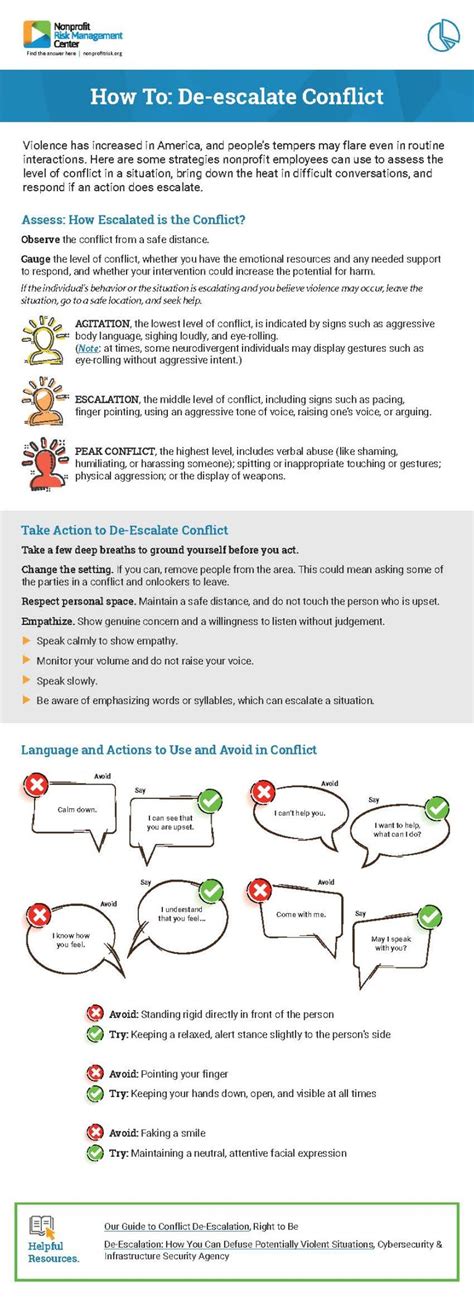
- De-escalation Techniques: Approach toxic comments calmly and objectively. Acknowledge the user’s frustration without validating abusive language. Redirect the conversation towards problem-solving or guide them to relevant resources. Avoid engaging in arguments.
- Information Dissemination: When a widespread mod issue occurs, communicate quickly and clearly. Let the community know the issue is recognized, if a fix is in progress, or what steps users can take. This transparency can defuse anger significantly.
- Enforcing Rules Consistently: Apply community guidelines fairly and consistently. Warnings, temporary mutes, or bans for repeat offenders send a clear message that abusive behavior is not tolerated. Document all actions taken.
- Collaborate with Modders/Developers: If possible, establish a direct line of communication with prominent mod creators or even game developers. They can offer insights, provide official responses to issues, or even help patch widespread problems, taking pressure off moderators.
- Distinguish Legitimate Issues from Baseless Complaints: Not all negative feedback is toxic, and not all toxic feedback is baseless. Moderators must be adept at sifting through emotional outbursts to identify genuine bugs or legitimate concerns that can be addressed.
Leveraging Tools and Community Support
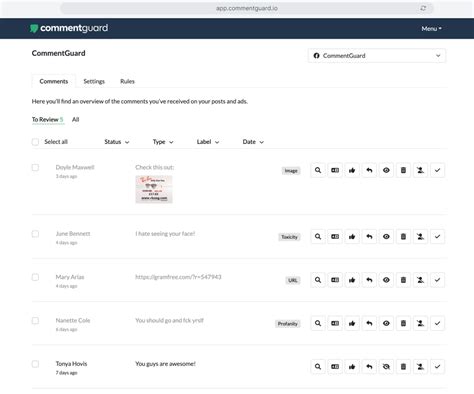
Modern moderation tools are indispensable. Features like keyword filtering, automated warnings, and efficient reporting systems can help manage the sheer volume of content. Beyond tools, fostering a helpful peer-to-peer support culture can significantly lighten the load. When experienced community members step up to assist others with mod issues, it reduces the burden on moderators and promotes a healthier environment.
The Human Element: Moderator Well-being
Dealing with persistent toxicity, especially over something as passionate as gaming, takes a toll. Communities and organizations should prioritize moderator well-being by providing:
- Support Systems: Regular check-ins, opportunities to debrief, and a clear escalation path for particularly challenging situations.
- Burnout Prevention: Encourage breaks, manage workload expectations, and ensure moderators don’t feel solely responsible for the community’s emotional health.
- Recognition: Acknowledge and appreciate the difficult work moderators do.
Conclusion: A Continuous Balancing Act
Handling toxic feedback stemming from game mod issues is a continuous balancing act for community moderators. It requires a blend of foresight, tactical communication, firm enforcement, and a deep understanding of human psychology. By employing a multi-faceted approach that prioritizes clear communication, robust guidelines, proactive education, and supportive reactive strategies, moderators can effectively mitigate toxicity and cultivate a more welcoming and constructive environment for all players who engage with the dynamic world of game modifications.