How do community moderators manage user-submitted game mods effectively and fairly?

User-generated content, particularly game modifications (mods), is a cornerstone of many vibrant gaming communities. Mods extend a game’s lifespan, introduce novel gameplay mechanics, enhance visuals, and offer endless replayability. However, the very freedom that makes mods appealing also presents a unique challenge for community moderators: how to effectively and fairly manage an ever-growing deluge of user-submitted content to ensure a safe, enjoyable, and stable environment for all players.
The Dual-Edged Sword of User-Generated Content
The influx of user-created content, while enriching, demands careful oversight. Moderators act as the gatekeepers, balancing creative freedom with the need to protect players from harmful, inappropriate, or game-breaking modifications. This role requires a multi-faceted approach, combining clear policy-making with sophisticated review mechanisms and strong community engagement.
Establishing Clear Guidelines and Policies
The foundation of effective mod management is a robust, clearly articulated set of guidelines. These rules must address a wide spectrum of potential issues, from technical stability and game integrity to legal and ethical considerations. Policies should cover:
- Technical Requirements: Specifying performance expectations, compatibility standards, and permitted file types. This helps prevent game-breaking bugs or client crashes.
- Content Restrictions: Outlining what is deemed inappropriate (e.g., hate speech, explicit material, illegal content, copyrighted material without permission).
- Malware and Security: Strictly prohibiting malicious code, viruses, or spyware. This is paramount for user safety.
- Fair Play: Disallowing mods that provide an unfair advantage in competitive settings or exploit game mechanics.
- Intellectual Property: Requiring mod creators to respect existing copyrights and trademarks.
These guidelines must be easily accessible, regularly updated, and communicated transparently to the modding community. Clarity reduces ambiguity and empowers modders to create within acceptable boundaries.

Implementing Robust Review Processes and Tools
Once guidelines are in place, moderators need efficient processes and tools to enforce them. This typically involves a multi-stage review system:
- Initial Screening: Automated tools can help filter out obvious violations, such as excessively large files, known malware signatures, or prohibited file types.
- Manual Review: Experienced human moderators are essential for nuanced evaluations. They assess content for adherence to guidelines, quality, functionality, and potential impact on the game or community. This can be time-consuming, so prioritization strategies (e.g., new mods vs. updates, highly downloaded mods) are often employed.
- Community Reporting: Empowering the user base to report suspicious or problematic mods acts as an invaluable layer of defense, alerting moderators to issues that might have slipped through initial reviews.
- Version Control: Managing updates to existing mods is crucial. Each update should ideally go through a review process, especially if it introduces significant changes.
Dedicated mod portals or platforms often provide built-in tools for submission, tracking, and communication with mod authors, streamlining the entire process.
Ensuring Fairness and Transparency
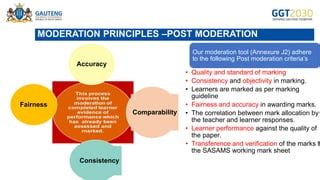
Fairness is paramount in maintaining trust within the modding community. Moderators must apply rules consistently, regardless of the modder’s reputation or the mod’s popularity. Key aspects of ensuring fairness include:
- Bias Mitigation: Implementing clear decision-making rubrics and potentially having multiple moderators review contentious cases can help minimize individual biases.
- Clear Communication: When a mod is rejected or removed, the mod author should receive a clear, concise explanation referencing the specific guideline(s) violated. Generic responses erode trust.
- Policy Transparency: Beyond just publishing rules, being open about the rationale behind certain policies and how decisions are made can foster a greater understanding and acceptance within the community.
Handling Disputes and Appeals
Mistakes happen, and disagreements are inevitable. A healthy moderation system includes a well-defined process for mod authors to dispute decisions or appeal rejections. This process should:
- Be Accessible: Easy for modders to initiate.
- Require Evidence: Encourage mod authors to present their case with supporting information.
- Involve Senior Staff: Appeals should ideally be reviewed by a different, often more senior, moderator or a small panel to ensure an impartial re-evaluation.
- Offer Clear Outcomes: Communicate the final decision and the reasoning behind it, whether the appeal is upheld or denied.
An effective appeal system not only provides a safety net for modders but also helps moderators refine their understanding and application of guidelines over time.

Fostering a Positive Modding Community
Beyond enforcement, effective moderation also involves community building. Moderators can foster a positive environment by:
- Engaging with Modders: Providing feedback, offering technical advice, and acknowledging valuable contributions.
- Creating Resources: Offering tutorials, FAQs, and best practice guides for mod development.
- Listening to Feedback: Regularly soliciting input from the modding community on policies and processes, demonstrating that their voices are heard and valued.
- Highlighting Quality Content: Showcasing exceptional mods and talented creators to inspire others and set standards.
Conclusion
Managing user-submitted game mods is a complex, continuous balancing act. It requires a blend of clear guidelines, robust technical tools, human judgment, and strong communication skills. By establishing fair processes, ensuring transparency, and actively engaging with the modding community, moderators can cultivate an environment where creativity flourishes responsibly, enriching the gaming experience for everyone while safeguarding the integrity and safety of the platform.