



How do competitive esports players avoid burnout and maintain peak mental health?

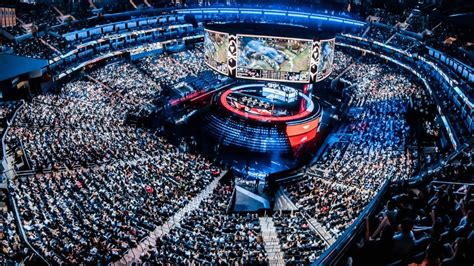
The world of competitive esports is exhilarating but incredibly demanding. Professional players often face grueling practice schedules, high-stakes tournaments, constant public scrutiny, and the relentless pressure to perform at an elite level. This intense environment, coupled with the sedentary nature of gaming, creates a significant risk of burnout and mental health challenges. So, how do these top-tier athletes navigate such pressures and maintain their peak mental and physical state?
The Grueling Reality of Pro Esports
Unlike traditional sports, esports requires not just physical dexterity but also immense cognitive load, lightning-fast decision-making, and unwavering focus for extended periods. The lines between work and personal life can blur easily, especially when passion for the game is their profession. Without proper strategies, this can quickly lead to exhaustion, anxiety, depression, and a loss of enjoyment in the very activity they love.
Structured Schedules and Time Management
One of the most critical tools against burnout is a meticulously planned schedule. Pro players learn to compartmentalize their day, allocating specific times for practice, strategy sessions, reviews, and crucially, breaks. This isn’t just about playing less; it’s about playing smarter and ensuring adequate recovery.
Teams often implement strict schedules that include mandatory downtime, limiting screen time outside of practice, and encouraging players to disengage completely from the game for a portion of their day. This discipline helps prevent mental fatigue and keeps their minds fresh for critical moments.
Prioritizing Physical Health
While often perceived as a purely mental endeavor, physical health plays a monumental role in mental well-being for esports players. Regular exercise, a balanced diet, and sufficient sleep are non-negotiables for sustained peak performance. Many organizations now employ fitness coaches and nutritionists to guide their players.
Exercise helps reduce stress, improves blood flow to the brain, and combats the negative effects of prolonged sitting. Proper nutrition fuels cognitive function, while consistent, high-quality sleep is vital for memory consolidation, reaction time, and emotional regulation. Without these foundational elements, mental resilience quickly crumbles.
Building Mental Resilience and Support Systems
Beyond physical care, direct mental health support is becoming standard in top-tier esports. Players engage with sports psychologists or mental performance coaches who teach techniques like mindfulness, meditation, and cognitive behavioral therapy (CBT) to manage stress, anxiety, and performance pressure. These specialists help players develop coping mechanisms for losses, maintain composure under pressure, and process feedback constructively.
Strong team dynamics and a supportive organizational culture also play a significant role. Open communication, debriefing sessions, and a focus on collective growth rather than just individual blame foster a healthier environment. Peer support from teammates who understand the unique pressures is invaluable.
The Importance of Disconnecting
To truly avoid burnout, players must cultivate interests and a life outside of esports. Engaging in hobbies, spending time with friends and family, and pursuing non-gaming activities provide a much-needed mental break and a broader sense of self-worth that isn’t solely tied to game performance. This detachment allows them to return to the game with renewed perspective and passion.
Setting clear boundaries between their professional gaming life and personal life is essential. This might mean having designated ‘off-hours’ where they don’t discuss strategy or even think about the game, allowing their minds to truly rest and recharge.
Conclusion: A Holistic Approach to Longevity
Avoiding burnout and maintaining peak mental health in competitive esports is not about a single solution but a comprehensive, multi-faceted approach. It combines disciplined scheduling, robust physical health regimens, dedicated mental resilience training, strong support networks, and a conscious effort to disconnect and pursue life outside the game. As the esports industry continues to grow, recognizing and implementing these holistic strategies will be paramount for the sustained success and well-being of its most valuable asset: its players.