




How do esports pros optimize practice routines for peak competitive performance?

The world of esports is intensely competitive, demanding not just raw talent but also an extraordinary level of discipline and strategic preparation. Unlike traditional sports, the metrics for “practice” can sometimes seem nebulous, leading many aspiring pros to simply “grind” endlessly. However, true esports professionals understand that optimizing practice routines is an art and a science, a critical factor in achieving and maintaining peak competitive performance.
Beyond the Grind: Structured and Purposeful Practice
Top-tier esports players rarely engage in aimless play. Their practice is highly structured, focusing on quality over mere hours logged. This often begins with a clear understanding of their weaknesses and strengths, both individually and as a team.
VOD Review and Analytical Scrutiny
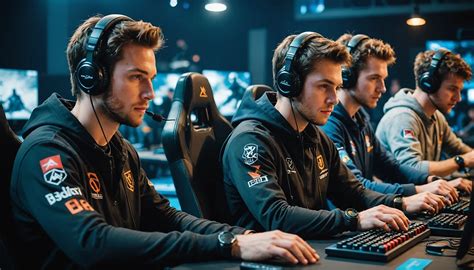
One of the cornerstones of optimized practice is extensive Video on Demand (VOD) review. Pros meticulously re-watch their own gameplay, as well as that of opponents, to identify mistakes, recognize patterns, and uncover strategic opportunities. This isn’t just about pointing out errors; it’s a deep dive into decision-making, positioning, utility usage, and objective control. Coaches often facilitate these sessions, providing unbiased perspectives and guiding players toward self-correction.
Targeted Drills and Scrims
Following VOD analysis, practice shifts to targeted drills designed to address identified weaknesses. For an FPS player, this might mean specific aim training routines or grenade throw practice. For a MOBA player, it could involve last-hitting drills or specific laning phase scenarios. Scrimmages (practice matches against other professional teams) are also crucial. These aren’t just casual games; they’re high-intensity simulations of competitive play, often played with specific objectives or experimental strategies in mind. Post-scrim analysis is as important as the scrim itself, allowing teams to review performance in a live competitive context.
The Holistic Approach: Mind and Body
Peak performance isn’t solely about in-game mechanics. Esports pros recognize the symbiotic relationship between mental fortitude, physical health, and gaming prowess.
Mental Conditioning and Sports Psychology
Pressure is immense in esports. Pros often work with sports psychologists to develop resilience, manage stress, maintain focus, and overcome tilt. Techniques like mindfulness, visualization, and cognitive behavioral therapy help players stay calm under pressure, make rational decisions, and bounce back from setbacks. Understanding team dynamics and fostering healthy communication are also key aspects addressed by mental coaches.
Physical Well-being and Ergonomics
Long hours of intense focus can take a toll. Regular physical exercise, a balanced diet, and sufficient sleep are non-negotiable for sustained performance. Physical activity improves blood flow to the brain, reduces fatigue, and helps maintain energy levels. Ergonomic setups, including specialized chairs, desks, and peripherals, are vital to prevent repetitive strain injuries and ensure comfort during extended play sessions.

Data-Driven Iteration and Adaptation
The digital nature of esports provides a wealth of data, which pros leverage for continuous improvement.
Performance Analytics
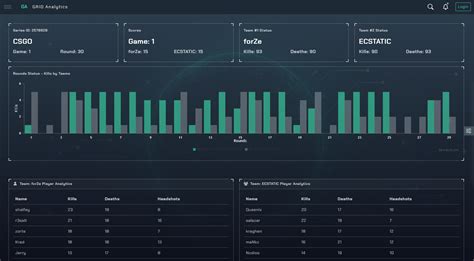
Sophisticated tracking tools analyze every aspect of a player’s and team’s performance – from kill-death ratios and damage output to objective control and map presence. This data provides objective insights, helping teams to pinpoint inefficiencies and areas for improvement that might not be apparent during casual observation. Trends over time can reveal if new strategies are working or if individual players are improving in specific areas.
Learning from Losses and Meta Adaptation
Every loss is a learning opportunity. Instead of dwelling on defeat, pros dissect what went wrong, adapt their strategies, and refine their approach. The esports meta (the prevailing strategies and character choices) is constantly evolving. Pros must be agile, willing to experiment with new compositions, character picks, and playstyles to stay ahead of the curve. This constant adaptation is a core component of long-term success.
Synergy and Team Cohesion
For team-based esports, individual skill is only one piece of the puzzle. Harmonious team play is paramount.
Coordinated Practice and Role Specialization
Team practice goes beyond individual drills. It involves perfecting callouts, synchronizing ultimate abilities, executing complex rotations, and understanding each player’s role within a larger strategy. Each player often specializes in a particular role, and practice focuses on honing their specific contributions while integrating seamlessly with their teammates. Trust and understanding between teammates are built through countless hours of shared practice and communication.
Conclusion
Optimizing practice routines for peak competitive performance in esports is a multifaceted endeavor. It moves far beyond simply playing the game a lot. It encompasses structured VOD review, targeted drills, mental resilience training, physical well-being, data-driven analysis, continuous adaptation, and fostering unparalleled team synergy. The most successful esports professionals are those who approach their craft with the same rigor, dedication, and scientific methodology as any elite athlete, constantly refining their methods to stay at the apex of their game.