How do gaming communities ensure mod stability across game patches?
The Ever-Evolving Challenge of Mod Stability
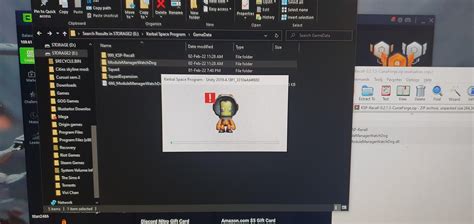
For many gamers, modifications (mods) breathe new life into their favorite titles, offering fresh content, improved graphics, or entirely new gameplay experiences. However, this vibrant ecosystem faces a perpetual challenge: game patches. When a game developer releases an update, the underlying code often changes, potentially breaking the intricate logic of installed mods. Ensuring stability across these updates is a monumental task, one that largely falls to the dedicated efforts of gaming communities themselves.
It’s a delicate dance between developers, modders, and players, all striving to keep the modified game experience smooth and enjoyable. This article delves into the strategies and systems communities use to navigate this complex landscape, from communication protocols to advanced technical solutions.

Establishing Robust Communication Channels
At the heart of mod stability lies effective communication. Gaming communities, often centered around specific games or modding scenes, establish dedicated platforms for sharing information. Discord servers, subreddits, official forums, and wikis become central hubs where players report issues, modders announce updates, and developers share insights. Key aspects include:
- Patch Watchers: Dedicated community members or tools that monitor official game updates, alerting modders to impending changes.
- Mod Developer Hubs: Centralized locations where mod authors can coordinate, share code snippets, and discuss potential conflicts.
- Bug Reporting Systems: Structured methods for players to report mod-related issues, often including clear instructions on how to replicate bugs and what information to provide (e.g., game version, mod list, error logs).
The Power of Collaborative Testing and Reporting
When a game patch drops, it’s often the players themselves who become the first line of defense. Communities organize and facilitate widespread testing to identify broken mods quickly. This collective effort accelerates the troubleshooting process significantly:
- Beta Testing Groups: For larger, more complex mods, dedicated groups of experienced players might test pre-release versions of mod updates against new game patches.
- Crowdsourced Bug Hunting: After a patch, forums and Discord channels light up with players testing their mod setups, reporting what works and what doesn’t. Community managers often compile these reports into actionable lists for modders.
- Mod Compatibility Lists: Wikis or sticky threads are frequently updated with community-verified lists detailing which mods are currently compatible with the latest game version and which are known to cause issues.

Leveraging Modding Tools and Frameworks
The ingenuity of modders often extends beyond individual content creation to developing tools that aid stability. These tools and frameworks play a critical role in mitigating patch-related breakage:
- Mod Managers: Tools like Nexus Mod Manager, Mod Organizer 2, or Vortex allow users to easily install, enable, disable, and update mods, isolating them from the core game files and simplifying conflict resolution.
- Script Extenders/API Wrappers: These are often the first mods that need updating after a game patch. They provide a stable interface between the game and other script-heavy mods, allowing modders to target a consistent API rather than direct game code.
- Community-Developed Patches: Sometimes, communities create universal fix packs or compatibility patches designed to address common issues or make disparate mods work together.
Modder Responsiveness and Patch Strategies
Ultimately, the burden of updating mods falls to their creators. However, the community supports modders in various ways to ensure timely updates:
- Prioritizing Essential Mods: Community feedback often helps modders understand which mods are most critical to the player base, guiding update priorities.
- Hotfixes and Temporary Workarounds: For major breakage, modders often release quick hotfixes or provide instructions for temporary workarounds until a full update can be developed.
- “Wait and See” Approach: For less critical mods, modders might advise users to wait a few days or weeks after a major patch to ensure stability before updating, allowing the core community to iron out initial issues.
- Open Source Collaboration: Some mod projects are open source, allowing multiple contributors to help update and maintain the mod, sharing the workload.
Version Control and Archiving
Keeping track of game and mod versions is crucial. Communities encourage and facilitate robust version control practices:
- Clear Versioning: Modders are encouraged to use clear version numbers (e.g., 1.0, 1.1, 2.0) that indicate compatibility with specific game versions.
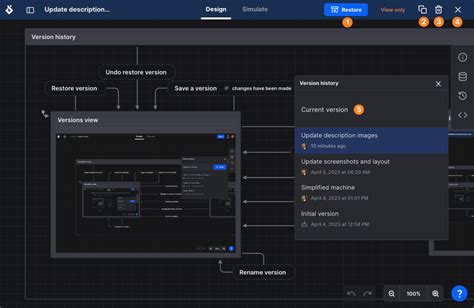
- Archiving Old Versions: Many modding platforms and personal backups maintain archives of older mod versions, allowing players to roll back if a newer update causes issues or if they choose to stick with an older game version.
- Dependencies Tracking: Tools and community efforts help track dependencies between mods and script extenders, ensuring players install the correct versions of all required components.
Conclusion: A Collective Endeavor
Ensuring mod stability across game patches is a testament to the power of collective effort and community organization. It’s a continuous, often challenging process that relies on open communication, diligent testing, innovative tool development, and the dedication of modders and players alike. Without these passionate communities, the rich and diverse world of game modifications would quickly crumble under the weight of ever-present game updates, highlighting the indispensable role they play in extending the life and enjoyment of countless games.