How do gaming mod communities combat toxicity and encourage positive user engagement effectively?
The Vital Role of Moderation in Gaming Mod Communities
Gaming mod communities are vibrant hubs of creativity, innovation, and passion. They extend the life and possibilities of countless games, offering players new experiences and content. However, like any online space, they are susceptible to toxicity, harassment, and negativity, which can stifle creativity and drive away valuable contributors. Effectively combating these issues while fostering an environment of positive user engagement is crucial for their survival and growth.
These communities, often built and managed by volunteers, develop sophisticated strategies to maintain order and encourage constructive interaction. Their success hinges on a delicate balance of clear rules, proactive moderation, and the cultivation of a supportive culture.
![How to create Community Guidelines [with examples]](/images/aHR0cHM6Ly90czIubW0uYmluZy5uZXQvdGg/aWQ9T0lQLkRxc3puUUwyY1Q0RFlDTEc1Zk1FMkFIYUhLJnBpZD0xNS4x.webp)
Establishing Comprehensive Guidelines and Codes of Conduct
The first line of defense against toxicity is a well-defined set of rules. Mod communities typically implement clear, accessible codes of conduct that outline acceptable and unacceptable behavior. These guidelines cover everything from respect for fellow members and mod creators to specific rules regarding content, such as prohibiting hate speech, discriminatory remarks, or sexually explicit content that isn’t age-gated or appropriate for the platform.
Transparency is key; these rules are usually prominently displayed on forums, Discord servers, and modding platforms. They serve as a foundational document that new members can consult and existing members can reference, providing a common understanding of community expectations.
Proactive and Reactive Moderation Strategies
Active Moderation Teams
Volunteer moderators are the backbone of most mod communities. They actively monitor discussions, review reported content, and enforce the established guidelines. This often involves a multi-tiered approach:
- Monitoring: Regular patrols of forums, chat channels, and comment sections to spot problematic behavior early.
- Reporting Systems: Providing easy-to-use tools for users to report inappropriate content or behavior, allowing the community to assist in identifying issues.
- Intervention: Issuing warnings, temporary suspensions, or permanent bans for repeat offenders or severe infractions.
- Conflict Resolution: Mediating disputes between users or addressing misunderstandings before they escalate.

Automated Tools and AI
While human moderation is invaluable, many large communities also leverage automated tools and AI-powered solutions. These can help filter out spam, detect certain keywords associated with hate speech or harassment, and flag potentially problematic content for human review, significantly reducing the workload on moderators.
Fostering a Culture of Positive Engagement
Combating toxicity is only one side of the coin; actively encouraging positive engagement is equally important. Mod communities employ several strategies to achieve this:
Highlighting Positive Contributions
Recognizing and celebrating positive contributions, such as well-made mods, helpful tutorials, constructive feedback, and exemplary community behavior, reinforces the desired culture. This can be done through “mod of the month” features, community spotlights, or simply positive acknowledgment from moderators and fellow members.
Organizing Community Events and Challenges
Engaging activities like modding challenges, game nights, collaborative projects, or Q&A sessions with mod developers can build camaraderie and a shared sense of purpose. These events provide opportunities for positive interaction and strengthen community bonds.

Mentorship and Welcoming Newcomers
Experienced modders and community members often take on informal mentorship roles, helping newcomers learn the ropes, troubleshoot issues, and understand community norms. A welcoming atmosphere that encourages questions and offers support can greatly reduce frustration and lead to more positive interactions.
Empowering the Community for Self-Regulation
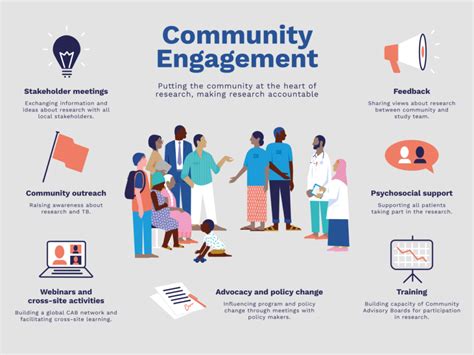
A truly effective community isn’t solely reliant on top-down moderation. Empowering users to be part of the solution fosters a stronger sense of ownership and responsibility.
- User Reporting: As mentioned, robust reporting systems allow the community to act as extra eyes and ears.
- Community Feedback: Allowing members to provide input on rules or moderation policies can increase buy-in and ensure rules remain relevant and fair.
- Peer-to-Peer Support: Encouraging users to help each other, answer questions, and provide constructive feedback creates a supportive ecosystem where positive interactions are the norm.
The Evolving Landscape and Continuous Improvement
The digital landscape is constantly evolving, and so too are the forms of online toxicity. Effective mod communities understand that their strategies must adapt. This often involves:
- Regular Review of Policies: Periodically updating guidelines to address new types of harassment or emerging community needs.
- Moderator Training: Providing ongoing support and training for moderators to equip them with the skills to handle complex situations.
- Learning from Others: Observing best practices from other successful online communities and applying relevant lessons.
Conclusion
Combating toxicity and fostering positive user engagement in gaming mod communities is an ongoing, multi-faceted endeavor. It requires a solid foundation of clear rules, dedicated and proactive moderation, the strategic use of technology, and a concerted effort to cultivate a welcoming and supportive culture. By prioritizing these elements, mod communities not only protect their members but also ensure they remain vibrant, creative, and enduring spaces for gamers and creators alike, enriching the entire gaming ecosystem.