How do gaming mods effectively combat toxicity & foster positive community engagement?

In the vast and often volatile landscape of online gaming, toxicity remains a pervasive challenge. From verbal abuse to disruptive behavior, negative interactions can quickly sour the experience for many players. However, a significant force has emerged from within the gaming community itself to tackle this issue head-on: gaming mods. These modifications, created by players for players, not only enhance gameplay but also play a critical role in establishing safer, more enjoyable, and positively engaging online spaces.
Empowering Players: The Foundation of Positive Change
At its core, the effectiveness of gaming mods in combating toxicity stems from their ability to empower players. Unlike official game developers who might struggle with the sheer volume and nuance of player interactions, modders are often embedded within the community, understanding its specific needs and pain points. This insider perspective allows for the creation of targeted tools and features that address common forms of toxicity directly.
Player-created moderation tools, custom chat filters, and reporting systems tailored to a game’s unique communication channels can significantly reduce exposure to harmful content. Furthermore, mods can enable community-driven initiatives, allowing trusted players to take on active moderation roles, directly intervening in situations where official systems might be too slow or general.

Strategic Modding for Toxicity Mitigation
The ways mods combat toxicity are diverse and often innovative:
- Advanced Chat Filtering: Beyond simple keyword blocking, some mods employ sophisticated algorithms or community-curated blacklists to catch evolving slang and veiled insults that official filters often miss.
- Reputation Systems: Player-developed reputation or karma systems can give tangible weight to positive behavior, encouraging players to contribute constructively rather than disruptively.
- Reporting Enhancements: Mods can streamline the reporting process, making it easier for players to report misconduct with greater detail and efficiency, thus providing better data for both official and unofficial moderators.
- Communication Control: Features like enhanced ignore lists, personal blacklists, or options to mute specific in-game elements can give players more granular control over their personal experience, allowing them to proactively block sources of toxicity.
These tools effectively create a buffer, protecting individual players from the worst aspects of online behavior while simultaneously providing mechanisms for accountability.
Fostering Positive Engagement and Collaboration
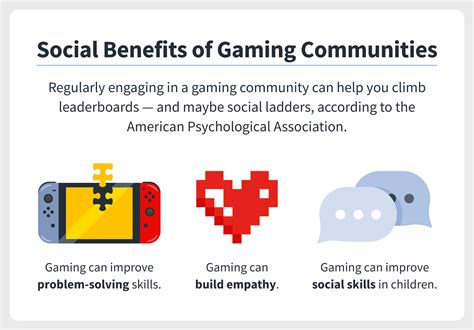
Beyond simply blocking negativity, mods also excel at fostering positive community engagement. By enhancing communication tools, adding social features, or enabling cooperative gameplay experiences that weren’t originally present, mods can bring players together in constructive ways:
- Collaborative Project Tools: In sandbox games like Minecraft or Garry’s Mod, mods facilitate complex collaborative builds and scenarios, turning potential rivalry into shared creation.
- Enhanced Social Features: Custom emotes, improved group management, or shared world-building tools can encourage positive interaction and group cohesion.
- Community-Driven Events: Mods can lay the groundwork for community-organized events, tournaments, or role-playing scenarios, providing structured, positive outlets for player interaction.
These elements shift the focus from individual competition to shared experiences, creating a sense of camaraderie and collective ownership over the game world and its community.
The Synergistic Relationship: Developers, Modders, and Community
The most effective anti-toxicity strategies often emerge from a synergistic relationship between game developers, modders, and the broader player community. Developers who support modding by providing robust APIs and tools empower their communities to self-regulate and innovate. In turn, successful community mods can offer valuable insights to developers on how to improve their official moderation systems and foster better player interactions.
Modders act as crucial intermediaries, translating community needs into functional solutions. They often possess a deeper, more immediate understanding of emerging toxic behaviors and can deploy countermeasures far quicker than official development cycles allow. This agile response is vital in the ever-evolving landscape of online communication.

Conclusion: A Brighter Future for Gaming Communities
Gaming mods are far more than just aesthetic changes or gameplay tweaks; they are a fundamental force in shaping the social fabric of online gaming. By empowering players with tools to manage their experiences, mitigate toxicity, and encourage positive interaction, mods contribute significantly to building inclusive and engaging communities. As the gaming world continues to expand, the ingenuity and dedication of modders will remain an invaluable asset in ensuring that online spaces are not just fun, but also respectful and welcoming for everyone.