





How do gaming reviews stay relevant for evolving live-service titles?

The landscape of video game reviews has traditionally been straightforward: a game launches, a reviewer plays it thoroughly, and a score or definitive assessment is issued. This model works well for single-player, self-contained experiences. However, with the rise and dominance of live-service titles—games designed to be continually updated and expanded over months or even years—the very concept of a static review is challenged. How can a day-one review accurately reflect a game that might fundamentally change its mechanics, content, and monetization strategies within weeks?

The Dilemma of the Initial Score
When a live-service game launches, critics are often under pressure to deliver an immediate verdict. This initial review serves as a crucial first impression for consumers and can heavily influence early sales. The problem is that many live-service titles launch in an “incomplete” or barebones state, or they may be riddled with bugs and balance issues that are addressed post-launch. A review based solely on this initial build, no matter how comprehensive, risks becoming obsolete almost instantly. What if a game launches with a poor progression system but revamps it entirely six months later? The original review, and its score, no longer tell the full story.

Beyond the Launch Day Snapshot
To remain relevant, gaming reviews for live-service titles must evolve beyond the traditional “snapshot” approach. This necessitates a shift in methodology, embracing ongoing coverage rather much than a single, definitive judgment. Publications and independent critics are exploring several strategies:
- “Review in Progress” or “Living Reviews”: Some outlets opt to publish an initial assessment, clearly stating that the review is ongoing and will be updated as the game evolves. This allows for early impressions while signaling that the final word is yet to come.
- Follow-Up Reviews and Updates: A more common approach involves publishing supplementary articles or updated scores when significant patches, expansions, or content seasons drop. These follow-ups can re-evaluate the game based on new additions and changes.
- Focus on Long-Term Viability and Community: Rather than just mechanics and graphics, reviews can increasingly focus on the developer’s commitment to the game, their communication with the community, and the game’s ability to retain players over time. This offers a different kind of value assessment.
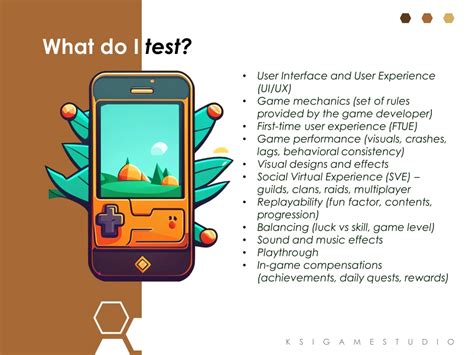
Strategies for Sustained Relevance
Maintaining relevance in this dynamic environment requires a proactive and adaptable strategy from reviewers. It’s no longer enough to play a game once and write a review; it demands sustained engagement and a willingness to revisit titles. Reviewers often become quasi-historians, documenting the game’s journey rather than just its launch state.
Iterative Review Models
One effective strategy is the implementation of iterative review models. This could involve an initial ‘launch’ review, followed by ‘seasonal’ reviews or ‘major expansion’ reviews. Each subsequent review builds upon the last, offering a continuous narrative of the game’s development. This provides readers with a more accurate, up-to-date understanding of the game’s current state and its trajectory.

Leveraging Community Insights
Live-service games thrive on their communities. Reviewers can tap into this by considering widespread player feedback, discussing meta changes, and acknowledging how developer decisions are received by the player base. While not replacing critical analysis, community sentiment offers valuable context for how a game is truly performing and evolving.
The Role of Content Creators
Beyond traditional publications, YouTube and Twitch content creators have become crucial players in reviewing live-service titles. Their ongoing streams, patch analysis videos, and meta-discussions provide a constant, real-time “review” that often surpasses the timeliness of written articles. Professional reviewers can learn from this model, perhaps by incorporating more video content or more frequent, less formal updates.

Conclusion
The challenge of reviewing live-service games isn’t going away; it’s the new standard. For reviews to remain relevant and valuable, the industry must embrace a more fluid, dynamic approach. This means moving beyond static scores, adopting continuous coverage models, and acknowledging that a game’s identity is not fixed but rather an an ongoing narrative. By doing so, reviewers can continue to provide crucial guidance to players navigating the ever-changing world of live-service gaming.



