How do gaming sites best update evergreen walkthroughs post-patch for SEO?

The Challenge of Evergreen Guides in a Shifting Game Landscape
In the dynamic world of video games, ‘evergreen’ walkthroughs – comprehensive guides designed to remain relevant for a long time – face a unique challenge: game patches and updates. These frequent changes can drastically alter game mechanics, item locations, questlines, and strategies, rendering previously accurate content obsolete. For gaming sites, failing to update these guides promptly not only frustrates users but also severely impacts search engine optimization (SEO), leading to decreased visibility, lower rankings, and ultimately, a loss of organic traffic. The key lies in developing a robust strategy to efficiently update these valuable assets while preserving and enhancing their SEO value.

Why Post-Patch Updates are Crucial for SEO
Outdated information is a significant deterrent for both users and search engines. When a guide no longer provides accurate solutions, users quickly bounce back to search results, signaling to Google that the content isn’t helpful. This negatively impacts user experience metrics, which are increasingly important for ranking. Furthermore, search engines prioritize fresh, accurate, and authoritative content. Regularly updating your walkthroughs post-patch demonstrates to algorithms that your site is a reliable and current source of information, boosting your topical authority and trust signals.
Maintaining Authority and Trust
Accuracy is the cornerstone of authority. If your site consistently provides current information, users will bookmark it and return, driving direct traffic and strengthening brand loyalty. Search engines notice these signals.
Preventing Content Decay
Content can ‘decay’ over time if not maintained. Outdated information can lead to lower click-through rates (CTR) from search results (as users learn the content isn’t current), reduced engagement, and higher bounce rates, all of which contribute to a decline in SEO performance.
Strategic Approaches to Updating Walkthroughs
Simply knowing that updates are necessary isn’t enough; the ‘how’ is vital for efficiency and effectiveness.
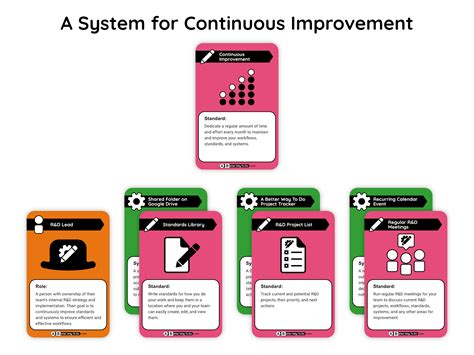
1. Implement a Version Control System
For major games with frequent updates, consider noting the game version your walkthrough covers directly within the content (e.g., “Guide for Patch 3.14”). When a new patch drops, create a clear action plan: identify sections affected, update them, and change the version marker. This transparency benefits both users and search engines, clearly indicating the guide’s currency.
2. Incremental Updates vs. Complete Rewrites
Not every patch requires a full overhaul. For minor changes, focus on targeted, incremental updates. Clearly highlight updated sections (e.g., using a “[Updated for Patch X.Y]” tag next to a paragraph or bullet point). For significant game-changing patches, a more substantial rewrite of relevant sections or even a new supplementary guide might be necessary, cross-linked to the original.
3. Visual Updates
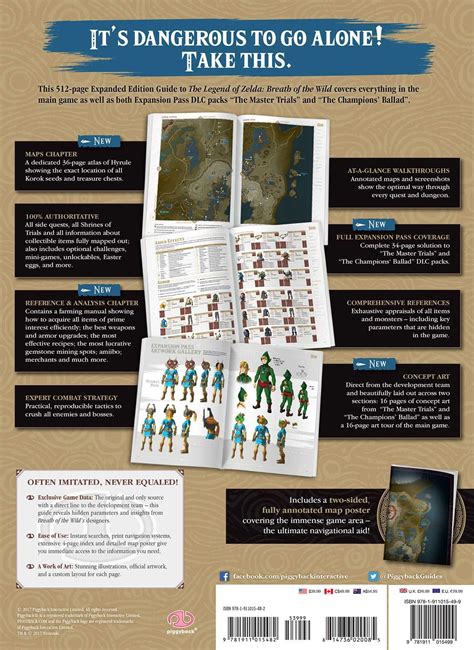
Screenshots and videos are often the first elements to become outdated. Prioritize updating visual assets that no longer reflect the current game state. These visual cues are highly valuable for users and can significantly improve engagement metrics, which indirectly support SEO.
SEO Best Practices for Post-Patch Walkthrough Updates
Beyond simply changing the content, strategic SEO considerations are paramount.
1. Refreshed Keyword Research
Game patches often introduce new items, quests, mechanics, or rebalance existing ones, leading to new search queries. Conduct fresh keyword research post-patch to identify these emerging terms. Integrate them naturally into updated sections, headings, and meta descriptions.
2. On-Page Optimization
- Update Headings (H1, H2, H3): Ensure headings accurately reflect the current content and incorporate relevant keywords.
- Meta Descriptions: Refresh these to reflect the updated content and include relevant keywords, enticing users to click.
- Internal Linking: Update any broken or irrelevant internal links within the walkthrough. Create new internal links to other relevant updated guides or new content.
- URL Structure: Generally, avoid changing the URL of an existing, well-ranking guide unless absolutely necessary. If a URL change is unavoidable, implement a 301 redirect.
3. Leverage Schema Markup
Consider using Schema.org markup (e.g., HowTo, Q&A, or Article schemas) and ensure any dates (e.g., `dateModified`) are updated. This helps search engines understand the content type and its freshness, potentially leading to rich snippets in search results.
4. Signal Content Freshness to Search Engines
Even minor edits are a signal of freshness. Explicitly update the publication/modification date displayed on the page. After significant updates, consider submitting the specific page URL to Google Search Console for re-indexing, though Google will eventually recrawl it.
5. User Experience (UX) Considerations for Updates
Clearly inform users about the update. A small banner at the top, a change log section, or inline notes indicating newly added or modified information can greatly improve user trust and satisfaction. A positive UX feeds directly into better SEO metrics.
Monitoring and Continuous Improvement
Post-update, monitor your guide’s performance using Google Analytics and Google Search Console. Look at keyword rankings, organic traffic, bounce rates, and user engagement metrics. Are there new search queries appearing? Are users spending more time on the updated sections? Use this data to continually refine your update strategy and content.
Conclusion
Updating evergreen gaming walkthroughs post-patch is not just about maintaining accuracy; it’s a critical component of a successful SEO strategy. By adopting a systematic approach to version control, prioritizing targeted updates, refreshing visuals, and diligently applying SEO best practices like keyword research and on-page optimization, gaming sites can ensure their valuable guides remain relevant, authoritative, and highly visible in search engine results. This proactive stance ensures long-term organic growth and cements a site’s reputation as a go-to resource for gamers.