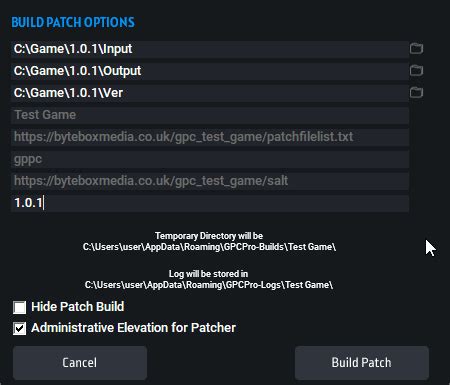
How do gaming sites ensure guides stay updated post-patch without overwhelming editors?

The Ever-Evolving Game World and the Challenge to Guides
In the dynamic realm of video games, a guide’s shelf life can be fleeting. With developers constantly pushing out patches, hotfixes, and expansions, what was accurate yesterday might be obsolete today. For gaming sites dedicated to providing comprehensive guides and walkthroughs, the challenge is immense: how do you maintain accuracy across hundreds, if not thousands, of pages without drowning your editorial team in a never-ending cycle of updates?
The answer lies in a multi-faceted approach that combines strategic content architecture, smart workflow management, leveraging community insights, and increasingly, automation. The goal isn’t just to update guides, but to do so efficiently, ensuring editors can focus on quality and new content creation rather than solely reacting to changes.

Strategic Approaches to Guide Maintenance
Modular Content Architecture: The Foundation of Adaptability
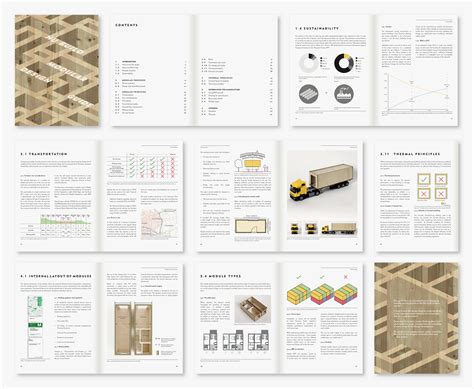
One of the most effective strategies is to design guides with modularity in mind. Instead of monolithic articles, guides are broken down into smaller, self-contained sections. This means that if a specific item’s stats change, or a quest step is altered, only that particular module needs an update, rather than an entire guide rewrite. This approach drastically reduces the scope of each individual update task, making it far less daunting for editors.
Editors can quickly identify and target the affected sections, make the necessary revisions, and republish, all without disturbing the integrity of the broader guide. This also facilitates version control, allowing sites to track specific changes to individual modules over time.
Leveraging Community & Crowdsourcing
The gaming community itself is an invaluable resource. Passionate players often discover changes post-patch almost instantly. Many gaming sites tap into this by creating channels for community feedback—be it comment sections, dedicated forums, or bug reporting systems. Editors can monitor these channels to quickly identify potential inaccuracies in existing guides.
Some sites even implement moderated crowdsourcing platforms where trusted community members can suggest edits or provide updated information, which editors then review and approve. This not only lightens the load but also fosters a stronger sense of community ownership and engagement.
Dedicated Teams and Streamlined Workflows
For larger gaming sites, assigning specific editors or even small teams to track updates for particular games or genres can be highly effective. These specialists become experts in their assigned titles, making them quicker to spot changes and understand their implications. Workflow tools and content management systems (CMS) are crucial here, allowing editors to:
- Mark guides as ‘under review’ or ‘needs update’.
- Assign update tasks to specific individuals.
- Track the status of various guides.
- Set reminders for upcoming patch days.
Establishing clear communication channels with game developers for early access to patch notes or beta tests can also give editors a head start on preparing updates before a patch even goes live.

Automation and Data-Driven Prioritization
As technology advances, automation is playing a larger role. Some sites employ tools that can crawl game data files or analyze official patch notes to automatically flag potential changes that might impact guides. While not perfect, these tools can provide editors with a prioritized list of guides most likely to need attention.
Furthermore, analytics data helps prioritize updates. Guides with high traffic or those covering critical game mechanics (e.g., character builds, essential quests) receive immediate attention. Less critical or low-traffic guides might be updated on a slower cycle, ensuring resources are allocated where they have the most impact.
Version Control and Archiving
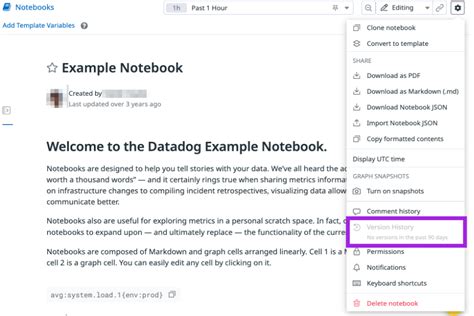
Maintaining a robust version control system for guides is essential. This allows editors to easily revert to previous versions if a patch is rolled back or if a change is temporary. It also helps in tracking the history of updates, making it easier to understand the evolution of a game and its corresponding guide.
In cases where older versions of games are still played, or for historical reference, sites might also archive outdated guides, clearly marking them as such, to avoid confusion while still providing valuable legacy content.
Conclusion
Keeping gaming guides updated post-patch is a continuous balancing act between accuracy, speed, and editor workload. By implementing modular design, harnessing the power of the community, optimizing internal workflows, and embracing automation, gaming sites can navigate the turbulent waters of game updates. This allows their editorial teams to focus on creating high-quality, relevant content, ensuring players always have access to the most current and reliable information without succumbing to the overwhelming pressure of constant change.