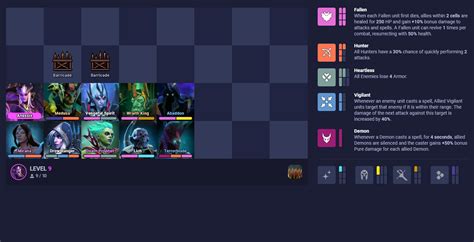
How do I adapt my main build to counter the current dominant meta in ranked?

The Ever-Shifting Landscape of Ranked Play
In the highly competitive world of ranked gaming, standing still is falling behind. The “meta” – the Most Effective Tactic Available – is a dynamic beast, constantly evolving with patch updates, pro player innovations, and community discoveries. What was once optimal last week might be a significant handicap today. For players dedicated to climbing the ladder with their favorite champions or playstyles, adapting their main build to counter the current dominant meta is not just an option, but a necessity for sustained success.
This guide will walk you through the process of dissecting the meta, understanding how your current build stacks up, and making intelligent modifications to gain an edge, without completely abandoning your core identity.

Deconstructing the Current Meta
Before you can adapt, you must first understand what you’re adapting to. A thorough meta analysis involves several key steps:
- Patch Notes Review: Always start here. Game developers explicitly state buffs, nerfs, and system changes that directly influence champion power levels and item viability.
- High-Ranked Player & Pro Play: Observe what top players and professional teams are building and playing. Their choices often reflect optimized strategies and emerging power picks.
- Community Resources: Utilize statistical websites (e.g., U.GG, OPGG, Mobalytics for League of Legends; Dotabuff for Dota 2) to identify high win-rate champions, popular builds, and key item trends. Look for patterns in bans and picks.
- Identify Dominant Strategies: Is the meta favoring early game aggression, late-game scaling, split-pushing, team-fighting, or specific damage types (e.g., heavy magic damage, burst physical damage)? Understanding the prevailing win conditions is crucial.
Assessing Your Main Build’s Strengths and Weaknesses
With the meta clearly in view, it’s time for an honest appraisal of your primary build. Consider:
- Core Identity: What is your build fundamentally designed to do? (e.g., burst damage, sustained damage, tanking, utility, siege).
- Matchup Spread: How does your build perform against the top-tier champions and strategies currently dominating? Does it excel or struggle against them?
- Power Spikes: When does your build typically come online? Does this align with the current meta’s pace? If the meta is fast-paced, a late-game scaling build might need earlier power spikes.
Strategic Adaptation: Tweaking for Victory
True adaptation means making targeted changes, not a complete overhaul. Here’s where you can make adjustments:
Itemization Adjustments
This is often the most flexible and impactful area for adaptation. A single item swap can dramatically alter a match.
- Counter-Itemization: Is the enemy team heavily reliant on healing? Build anti-heal. Are there multiple burst assassins? Consider defensive items like Zhonya’s Hourglass or Guardian Angel. Facing heavy magic damage? Prioritize Magic Resist. Facing lots of tanks? Incorporate armor penetration or true damage.
- Early vs. Late Game Focus: If the meta demands early aggression, consider an item that provides an earlier power spike. If it’s a scaling meta, you might opt for a more expensive, powerful core item.
- Situational Swaps: Instead of blindly following a pre-set build order, learn which items are strong in specific scenarios. For instance, an item that grants vision control might be more valuable than raw damage in a stealth-heavy meta.
Rune/Talent Changes
While often less drastic than item changes, rune or talent adjustments can fine-tune your champion’s performance.
- Keystone Alternatives: Some champions have multiple viable keystone runes. One might offer better sustain against poke, while another provides burst for aggressive plays. Choose based on the dominant threats or desired playstyle.
- Minor Rune/Talent Modifications: Even small stat boosts or utility from secondary runes/talents can make a difference in critical early game matchups or team fights. For example, opting for more early tenacity against crowd control heavy compositions.
Skill Pathing & Ability Maxing
Sometimes, the order in which you level your abilities can be adapted to better suit the meta.
- Prioritize Wave Clear: If the meta is focused on objective control and pushing, maximizing an area-of-effect (AoE) ability earlier might be beneficial.
- Early Duel Potential: If the meta favors frequent skirmishes, prioritizing a damage-dealing ability that enhances your dueling potential could be key.
Refining Your Playstyle
Your build adaptation goes hand-in-hand with playstyle adjustments. Even with the perfect build, poor execution will lead to failure. If the meta champions thrive on early ganks, you might need to play safer or ward more aggressively. If team fights are dominant, practice your positioning and engage timing. Recognize the meta’s pace and adjust your aggression, farming patterns, and objective priorities accordingly.
Testing, Learning, and Iterating
Adaptation is an ongoing process. Don’t expect to get it perfect on the first try. Use normal games or lower-stakes ranked games to test your modified builds. Review your replays to see what worked and what didn’t. Did your new item choice feel impactful? Did the rune change provide the expected advantage? Be prepared to iterate and fine-tune your approach as the meta continues to shift.

Conclusion
Mastering your main champion or build in ranked play means more than just knowing its core mechanics; it means understanding its place within the broader game ecosystem. By consistently analyzing the meta, critically evaluating your build, and making intelligent, targeted adaptations, you empower yourself to not just keep up, but to get ahead of the curve. Embrace the dynamic nature of ranked play, and let thoughtful adaptation be your key to climbing.