




How do I adjust my build order to counter specific enemy team comps in-game?

The Essence of Adaptive Build Orders
In competitive gaming, while a standard build path for your chosen champion or character provides a reliable foundation, true mastery lies in your ability to deviate and adapt. Merely following a cookie-cutter guide often leads to suboptimal performance against well-coordinated opponents. Understanding how to adjust your build order in real-time to counter specific enemy team compositions is a critical skill that separates good players from great ones.
This dynamic approach begins during the loading screen and continues throughout the match. It involves constantly evaluating the enemy’s strengths, weaknesses, and potential threats, then tailoring your item purchases, skill point allocation, and even talent choices to mitigate their impact and amplify your own team’s chances of success.

Identifying Enemy Team Archetypes and Countering Them
Before you can counter a team, you must first recognize its primary archetype and win condition. Here are some common enemy team compositions and how you might adjust your build to face them:
Heavy Physical Damage (AD) Comps
If the enemy team is stacked with AD champions (e.g., multiple AD carries, AD assassins, AD bruisers), prioritize armor. Items like Frozen Heart, Randuin’s Omen, Thornmail, or Dead Man’s Plate can significantly reduce incoming physical damage. Anti-crit items are also valuable against crit-heavy ADCs. Building health alongside armor is key to avoid being burst down by true damage or percentage health damage.

Heavy Magical Damage (AP) Comps
Conversely, against a team with multiple mages, AP assassins, or magic damage-dealing bruisers, magic resistance is your best friend. Spirit Visage, Banshee’s Veil, Adaptive Helm, or Force of Nature are excellent choices. Consider items that grant spell shields or allow for quick disengage to avoid burst. Health is once again important, especially against champions with high base damage or percentage health magic damage.
Tanky/Sustain Comps
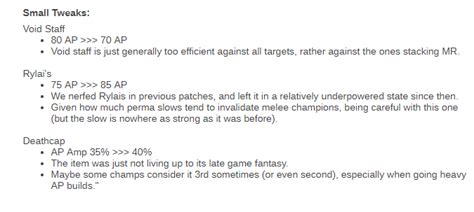
When facing a team built around high health, armor, and magic resistance, or one with significant healing and shields, your build needs to focus on penetration and grievous wounds. Last Whisper upgrades (Lord Dominik’s Regards, Serylda’s Grudge), Void Staff, or Black Cleaver will help you shred through their defenses. Grievous Wounds items (e.g., Chempunk Chainsword, Morellonomicon, Executioner’s Calling) are vital to reduce their sustain and make them vulnerable.
Dive/Burst Comps
Teams designed to quickly close gaps and eliminate key targets require defensive utility. Items that grant invulnerability (Zhonya’s Hourglass, Guardian Angel), crowd control reduction (tenacity boots, items with cleansing effects), or pure health and sustain can buy you crucial seconds. Positioning becomes paramount, but your items can provide a safety net.
Poke/Artillery Comps
Against teams that excel at long-range damage and slowly chipping away at your health, sustain and engagement tools are critical. Items that provide regeneration, lifesteal, or spell vamp can help you stay in the fight. Mobility items or those that offer engage potential can help you close the distance and force favorable trades or all-ins before their poke becomes overwhelming.
Key Factors for In-Game Adjustment
Beyond identifying the core enemy composition, several other real-time factors should influence your build adjustments:
- Your Gold Advantage/Disadvantage: If you’re ahead, you might rush power-spike items. If behind, prioritize cheaper, more defensive items or components that provide immediate utility.
- Enemy Itemization: Always check what items your direct opponents and key threats are building. If their AD carry is rushing crit, consider anti-crit. If their mage has a Void Staff, more flat MR might be less effective than HP.
- Current Game State: Are you defending a base? Pushing an objective? About to contest a major team fight? Your next item purchase should support the immediate objective.
Practical Tips for Effective Adaptation
- Regular Scoreboard Checks: Make it a habit to open the scoreboard frequently to see enemy items, gold leads, and ultimate timers.
- Understand Item Passives/Actives: Knowing what each item does beyond its raw stats is crucial for leveraging their full potential. An item’s active ability can be more impactful than its stat line in certain scenarios.
- Communicate with Your Team: Suggest items for teammates or respond to their requests. A coordinated counter-build across the entire team is far more effective than individual efforts.

Conclusion
Mastering adaptive build orders is an ongoing journey of learning and critical thinking. It requires a deep understanding of items, champions, and game flow. By consistently analyzing enemy compositions and making informed adjustments to your build, you’ll not only enhance your personal performance but also significantly increase your team’s chances of securing victory, transforming reactive play into proactive dominance.