





How do I adjust my build to counter the current dominant meta strategies?

In the ever-evolving landscape of competitive gaming, remaining stagnant with a single build or playstyle is a sure path to falling behind. The ‘meta’—the most effective tactic available—is a constantly shifting beast, influenced by patches, player discoveries, and community innovation. To stay competitive, understanding and adapting your build to counter these dominant strategies is not just an advantage; it’s a necessity.
Understanding the Current Meta
Before you can counter anything, you must first understand what you’re up against. Identifying the current meta involves observing what strategies consistently win at high levels of play, what champions/items/units are frequently picked or banned, and what common game plans emerge. Is it a fast-paced aggression meta? A scaling late-game meta? A control-focused meta? Pinpointing these trends requires active engagement with game communities, watching professional play, and critically analyzing your own losses and wins.
Look for patterns in successful team compositions, item builds, ability priorities, and overall game flow. Are certain damage types overwhelming? Is there a particular win condition that seems unavoidable? Dissecting these elements provides the foundational knowledge needed for effective counter-strategizing.

Analyzing Your Build’s Weaknesses Against the Meta
Once you’ve identified the dominant meta, the next step is to critically assess your current build. What are its inherent strengths, and more importantly, where are its vulnerabilities when facing these prevalent strategies? For example, if the meta favors high burst damage, a build focused solely on sustained damage with low defensive stats might be easily exploited. If area-of-effect (AoE) damage is king, a build requiring tight clustering could be a liability.
Consider:
- Damage Profile: Does your build offer the right type and amount of damage to deal with meta threats (e.g., piercing armor, magical damage, true damage)?
- Survivability: Do you have enough health, armor, magic resistance, or evasion to withstand the meta’s primary damage sources?
- Utility/Control: Does your build provide crowd control, healing, shields, or other forms of utility that can disrupt or mitigate meta strategies?
- Pacing: Does your build come online too late, or is it too weak in the early game to compete against aggressive meta builds?
Strategies for Countering the Meta
Direct Counters
The most straightforward approach is to incorporate elements that directly negate the meta’s strengths. This often involves specific itemization, ability choices, or character selections. If a particular defensive stat is weak in the meta, capitalize on damage that bypasses or exploits it. If a specific ability is overpowered, find items or abilities that block, cleanse, or reduce its effectiveness.
- Itemization: Build items that provide specific resistances (e.g., anti-heal, spell shields, armor penetration) against the meta’s dominant damage or utility.
- Character/Unit Selection: Opt for characters or units known to perform well against the meta’s top picks. This might mean choosing a character with a strong early game if the meta is late-game focused, or vice-versa.
- Ability Prioritization: Focus on leveling or utilizing abilities that directly counter meta threats (e.g., silences against spellcasters, stuns against mobile targets).
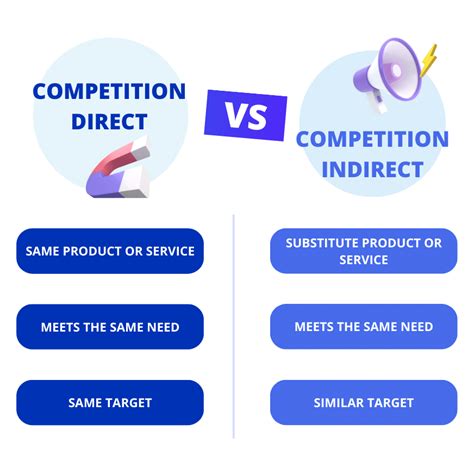
Strategic Adjustments and Indirect Counters
Beyond direct item or character swaps, subtle shifts in your playstyle and overall strategy can indirectly counter the meta. This requires a deeper understanding of the meta’s weak points and how your build, with minor tweaks, can exploit them.
- Pacing Adjustments: If the meta is aggressive, focus on early game stability, wave clear, and defensive vision. If it’s slow and scaling, look for opportunities to punish early game greed or disrupt their scaling.
- Map Control: Use vision and objective control to limit the meta strategy’s ability to execute its game plan. For instance, deny resources to late-game carries or spot early ganks from aggressive junglers.
- Team Composition Synergy: If playing in a team, coordinate builds and picks to create a cohesive counter-strategy. A mix of damage, crowd control, and survivability can often overwhelm even the most dominant single-strategy metas.
Key Principles for Adaptation
Successful meta countering isn’t a one-time fix; it’s an ongoing process built on several core principles:
- Information Gathering: Continuously monitor patch notes, competitive streams, and community discussions. The meta is always moving.
- Flexibility: Avoid being a ‘one-trick pony.’ Develop a diverse champion pool or build repertoire that allows you to pivot based on opponents and meta trends.
- Experimentation: Don’t be afraid to try unconventional builds or strategies in non-critical games. Sometimes the best counter is something unexpected.
- Understanding Win Conditions: Always know how you, and your opponent, intend to win the game. Countering means disrupting their win condition while enabling your own.

Putting It All Into Practice
Start small. Identify the single most frustrating aspect of the current meta for your current build. Then, research and test one or two specific changes to your build or playstyle to address it. For example, if you’re consistently losing to a specific magic damage burst combo, try incorporating a single magic resistance item earlier in your build, or adjusting your positioning to avoid the combo entirely. Analyze the results, iterate, and refine. Over time, these small adjustments accumulate into a robust and adaptable strategy.

Conclusion
Adapting your build to counter dominant meta strategies is a core skill for any serious competitive gamer. It demands critical thinking, constant learning, and a willingness to step outside your comfort zone. By understanding the meta, dissecting your build’s vulnerabilities, employing direct and indirect counter-strategies, and adhering to principles of flexibility and continuous learning, you can ensure your build remains relevant and effective, no matter how the game evolves.