How do I confirm my 144Hz+ gaming monitor is properly set up for max FPS?

Unlock Your Monitor’s Full Potential
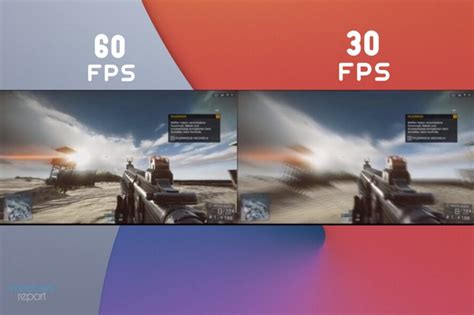
Acquiring a gaming monitor with a refresh rate of 144Hz or higher is a significant upgrade, promising buttery-smooth visuals and a competitive edge. However, simply plugging it in doesn’t guarantee you’re experiencing its full capabilities. Often, users unknowingly run their high-refresh-rate displays at lower rates like 60Hz or 120Hz due to unconfigured settings. This guide will walk you through the essential steps to confirm your 144Hz+ gaming monitor is properly set up to deliver maximum frames per second (FPS).
1. Verify Your Physical Connection
The first crucial step is ensuring you’re using the correct display cable. Not all cables can support high refresh rates at various resolutions. For 144Hz+ monitors, especially at 1080p, 1440p, or 4K, DisplayPort (DP) is almost always the best choice. While some HDMI 2.0 or 2.1 cables can support higher refresh rates, DisplayPort offers more consistent bandwidth and is typically required for features like NVIDIA G-Sync or AMD FreeSync.
- DisplayPort (DP): Always the preferred choice for 144Hz+ monitors. Ensure you’re using a high-quality, certified cable.
- HDMI: HDMI 2.0 can support 144Hz at 1080p and sometimes 1440p, but for higher resolutions or refresh rates, you’ll need HDMI 2.1. Check your monitor and GPU specifications.
- DVI-D Dual Link: Can support 144Hz at 1080p, but is less common on newer GPUs and monitors.
Double-check that the cable is securely plugged into both your graphics card and your monitor.

2. Adjust Operating System Display Settings
Even with the right cable, your operating system might not default to the highest refresh rate. You’ll need to manually set it.
For Windows 10/11:
- Right-click on your desktop and select ‘Display settings’.
- Scroll down and click ‘Advanced display settings’.
- Under the ‘Choose a refresh rate’ dropdown, select the highest available refresh rate (e.g., 144 Hz, 165 Hz, 240 Hz).
- Click ‘Keep changes’ if prompted.
If you don’t see your desired refresh rate, ensure your GPU drivers are up to date and your display cable is capable.
3. Configure Your GPU Control Panel
Your graphics card control panel offers more granular control and is essential for enabling adaptive sync technologies like G-Sync or FreeSync.
NVIDIA Control Panel:
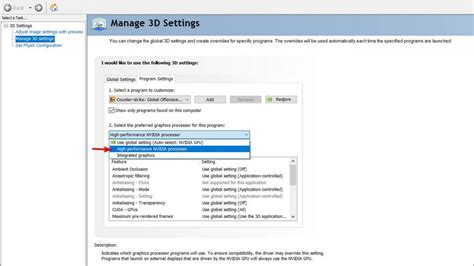
- Right-click on your desktop and select ‘NVIDIA Control Panel’.
- Navigate to ‘Display’ > ‘Change resolution’.
- Under ‘Resolution’, ensure your native resolution is selected.
- Under ‘Refresh rate’, select the highest available option for your monitor.
- If you have a G-Sync compatible monitor, go to ‘Set up G-SYNC’ and enable it for your display.
- Click ‘Apply’.
AMD Radeon Software:
- Right-click on your desktop and select ‘AMD Radeon Software’.
- Go to the ‘Display’ tab.
- Select your gaming monitor.
- Under ‘Custom Resolutions’ or ‘Global Display’, look for the ‘Refresh Rate’ option and set it to your monitor’s maximum.
- If you have a FreeSync compatible monitor, ensure ‘AMD FreeSync’ is toggled ‘Enabled’.
- Close the software; settings are typically applied automatically.
4. Check In-Game Settings
Many games have their own display settings that can override or limit your monitor’s refresh rate. It’s crucial to check these for each game you play.
- Launch your game and go to its ‘Graphics’ or ‘Display’ settings.
- Look for options like ‘Refresh Rate’, ‘Display Mode’, or ‘VSync’.
- Set the in-game refresh rate to match your monitor’s maximum (e.g., 144 Hz).
- Ensure VSync is either ‘Off’ or ‘Adaptive’ if you’re using G-Sync/FreeSync, as VSync can introduce input lag and cap your FPS to your refresh rate. Some modern games have an ‘NVIDIA Reflex’ or ‘AMD Anti-Lag’ option which works best with adaptive sync and V-Sync off.
- If there’s an FPS limiter, ensure it’s set to a value higher than your monitor’s refresh rate or disabled, especially if you want to test your system’s raw FPS capabilities.
5. Keep Your Drivers Updated
Outdated graphics drivers can cause a myriad of issues, including preventing your monitor from reaching its full refresh rate. Always ensure you have the latest drivers installed directly from NVIDIA or AMD’s official websites.
Conclusion
By systematically checking your physical connection, operating system settings, GPU control panel, and in-game configurations, you can ensure your 144Hz+ gaming monitor is properly set up to deliver the high frame rates it was designed for. Enjoy the fluid motion and responsive gameplay that a high refresh rate brings to the table!