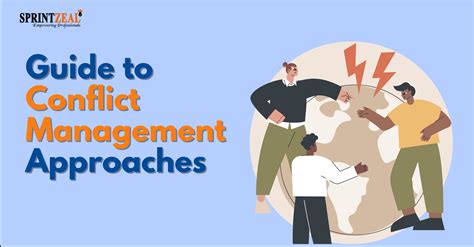
How do mod communities best resolve conflicts without toxicity?

Understanding the Roots of Conflict in Mod Teams
Mod communities, despite their shared goals of maintaining order and enhancing user experience, are not immune to internal disagreements. These conflicts can stem from differing interpretations of rules, strategic disagreements on moderation policies, personality clashes, or even burnout. Left unaddressed, these issues can fester, leading to internal toxicity, decreased morale, and ultimately, an ineffective moderation team.
The key to preventing toxicity isn’t to avoid conflict entirely—which is unrealistic—but to establish robust mechanisms for its resolution. A healthy mod community acknowledges that conflict is a natural part of human interaction and prepares for it by building a culture of open dialogue and mutual respect.

Establishing Clear Guidelines and Communication Channels
One of the most effective preventative measures is to have explicitly defined roles, responsibilities, and a clear code of conduct for the mod team itself, not just the general community. This internal guideline should outline expected behaviors, decision-making processes, and conflict resolution steps. When everyone understands their boundaries and the established protocols, many potential conflicts can be preempted.
Furthermore, dedicating specific, private communication channels for mod-only discussions is crucial. These spaces should be safe for expressing concerns, dissenting opinions, and even frustrations without fear of reprisal. Tools like dedicated Discord channels, private forums, or secure chat platforms can serve this purpose, ensuring discussions remain confidential and constructive.
Fostering a Culture of Empathy and Active Listening
When conflicts do arise, the first step towards resolution is to approach the situation with empathy. Each mod member should feel heard and understood. This means actively listening to all sides of an argument, asking clarifying questions, and refraining from immediate judgment. Often, a disagreement isn’t about malicious intent but a misunderstanding or a difference in perspective.
Encouraging ‘I’ statements (e.g., “I feel frustrated when…”) rather than ‘you’ statements (e.g., “You always do…”) can help depersonalize the conflict and focus on the issue at hand. This shifts the conversation from blame to problem-solving, creating a more collaborative environment.

Implementing Structured Mediation and De-escalation
For more serious disagreements, a structured mediation process might be necessary. This often involves a neutral third party—perhaps a senior mod, the community owner, or even an external mediator if available—who can guide the discussion towards a resolution. The mediator’s role is not to take sides but to facilitate communication, identify common ground, and help participants find mutually agreeable solutions.
De-escalation techniques are vital. This includes taking breaks if discussions become too heated, focusing on shared objectives, and reminding everyone of the larger goal: the health and quality of the community they moderate. Sometimes, simply agreeing to disagree on minor points and moving forward with consensus on major ones is a pragmatic approach.

Consistent Enforcement and Leading by Example
Toxicity thrives in environments where rules are applied inconsistently or where leadership fails to uphold the standards it sets. For mod communities, this means that internal conflicts, once resolved, must be followed by consistent application of agreed-upon solutions. If a mod violates the team’s code of conduct, the consequences should be applied fairly, regardless of their role or history.
Ultimately, the most effective way to prevent toxicity is for leadership—whether it’s the head moderator or the community owner—to lead by example. Demonstrating patience, respect, and a commitment to fair process sets the tone for the entire mod team. When mods see their leaders handling conflict constructively, they are more likely to emulate those behaviors.
Regular Check-ins and Feedback Loops
Preventing toxicity is an ongoing effort, not a one-time fix. Regular check-ins with the mod team, both individually and collectively, can help identify brewing issues before they escalate. Implementing feedback loops where mods can anonymously or openly share concerns, suggest improvements, or praise colleagues can foster a proactive approach to team health. This continuous evaluation and adaptation are crucial for maintaining a resilient and positive mod community.
Conclusion
Resolving conflicts without toxicity in mod communities requires a multi-faceted approach centered on prevention, empathy, clear communication, and consistent action. By establishing strong foundations of internal guidelines, fostering a culture of respectful dialogue, and providing clear channels for resolution, mod teams can navigate disagreements effectively. This not only ensures the well-being of the moderators themselves but also strengthens their ability to maintain a positive and thriving environment for the broader community they serve.