How do mod communities effectively resolve creator/user disputes?
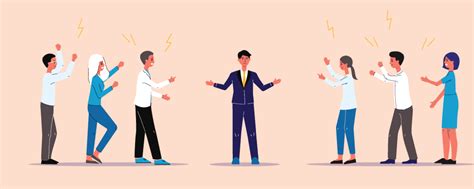
Mod communities are vibrant hubs of creativity and collaboration, but like any dynamic ecosystem, they are not immune to disagreements. Disputes between creators—those who develop mods, tools, or content—and users—those who consume and interact with them—are an inevitable part of the process. Effective resolution of these conflicts is crucial for maintaining a healthy, functional, and enjoyable environment for everyone involved. Without robust mechanisms to address grievances, communities can quickly devolve into toxicity, leading to creator burnout, user exodus, and overall stagnation. This article explores the strategies and best practices mod communities employ to effectively navigate and resolve these complex creator/user disputes.
The Foundation: Clear Guidelines and Expectations
The bedrock of any successful dispute resolution system is a comprehensive set of clear, accessible guidelines and expectations. These documents, often referred to as Rules, Terms of Service, or a Code of Conduct, explicitly outline acceptable behavior for both creators and users. They cover aspects such as mod submission standards, content policies, bug reporting protocols, feedback etiquette, and consequences for violations. When both parties understand the boundaries and the agreed-upon framework, many potential conflicts can be preempted or quickly diffused. Transparency in these rules ensures that decisions made during a dispute are perceived as fair and consistent, rather than arbitrary.
Establishing Effective Communication Channels
Once guidelines are in place, accessible and structured communication channels become paramount. Mod communities often provide dedicated spaces for reporting issues and grievances, ranging from private messaging systems with moderation teams to public forums with specific “dispute resolution” or “bug report” sections. Some larger communities may even utilize ticketing systems, similar to customer support, to log, track, and manage disputes systematically. The goal is to provide a clear path for reporting problems without resorting to public shaming or unconstructive arguments. Encouraging direct, respectful communication between parties, facilitated by moderators, is often the first step towards an amicable resolution.
The Role of Moderators as Impartial Mediators
At the heart of dispute resolution are the moderators themselves. These community volunteers or paid staff act as impartial third parties, tasked with interpreting guidelines, gathering evidence, and facilitating dialogue. Effective moderators are not just enforcers; they are skilled communicators, de-escalation experts, and sometimes, even informal counselors. Training for moderators often includes understanding conflict psychology, active listening, and unbiased decision-making. Their neutrality is vital: they must be perceived as fair by both creators and users, focusing on the facts and the community’s established rules rather than personal biases or affiliations. When a dispute escalates, a moderator’s primary role shifts from facilitating discussion to making a binding decision based on evidence and community policy.
Structured Dispute Resolution Processes
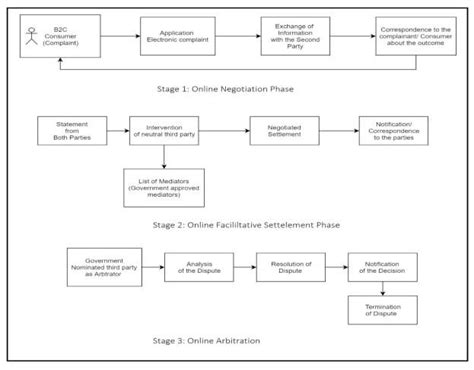
Beyond the initial communication and mediation, established mod communities often have formalized, step-by-step processes for handling more complex or persistent disputes. This might involve:
- Reporting: A user or creator formally submits a complaint, often with evidence.
- Investigation: Moderators gather all relevant information, including chat logs, project files, timestamps, and statements from both parties.
- Deliberation: The moderation team discusses the case, referencing community guidelines and past precedents.
- Decision: A judgment is rendered, outlining any required actions (e.g., mod removal, user ban, creative compromise) and the rationale.
- Appeal Process: Provision for a higher review by senior moderators or a community council if a party believes the decision was unjust.
This structured approach ensures consistency, reduces the likelihood of arbitrary decisions, and provides accountability for all involved.
Community Input and Democratic Solutions
While moderation teams typically handle most disputes, some communities empower their broader member base to contribute to resolution, particularly for issues that affect a large portion of the community or touch upon subjective standards. This can involve:
- Community Polls: For questions without a clear rule, communities might poll members on preferences or acceptable norms.
- Public Discussions: Facilitated debates on controversial topics, allowing diverse viewpoints to be heard before a decision is made.
- Elected Representatives: In very large, established communities, user or creator representatives might form a council to advise on or even vote on complex policy decisions and appeals.
Incorporating community input fosters a sense of ownership and can lead to more widely accepted solutions, balancing the creator’s vision with the users’ experience and expectations.
Learning and Adaptation for Future Harmony
Effective dispute resolution isn’t just about solving current problems; it’s about learning from them to prevent future ones. After a dispute is resolved, successful mod communities often engage in a process of reflection:
- Post-Mortem Analysis: What caused the dispute? Was it a misunderstanding, a gap in the rules, or a persistent behavioral issue?
- Guidelines Refinement: Based on the analysis, community guidelines may be updated, clarified, or expanded to address newly identified issues.
- Proactive Education: Lessons learned can be disseminated through announcements, FAQs, or updated onboarding materials to educate both new and existing members.
This continuous improvement cycle ensures that the community’s dispute resolution framework evolves alongside its members and content, making it more robust and responsive over time.
Conclusion
The ability of mod communities to effectively resolve creator/user disputes is a defining characteristic of their longevity and success. By establishing clear guidelines, providing robust communication channels, empowering impartial moderators, implementing structured processes, incorporating community input, and committing to continuous learning, these communities can transform potential conflicts into opportunities for growth and stronger bonds. This comprehensive approach ensures that the passion for creation and collaboration remains at the forefront, rather than being overshadowed by unresolved disagreements, ultimately fostering a thriving environment where both creators and users can flourish.